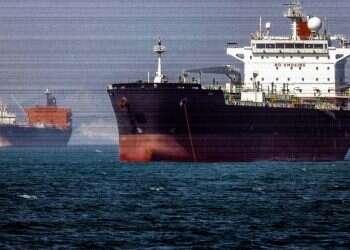
Four explosions were heard at Bahman Port on Iran's Qeshm Island. It was not immediately clear whether the blasts were caused by strikes on ships off the island's coast or US attacks on the port area.
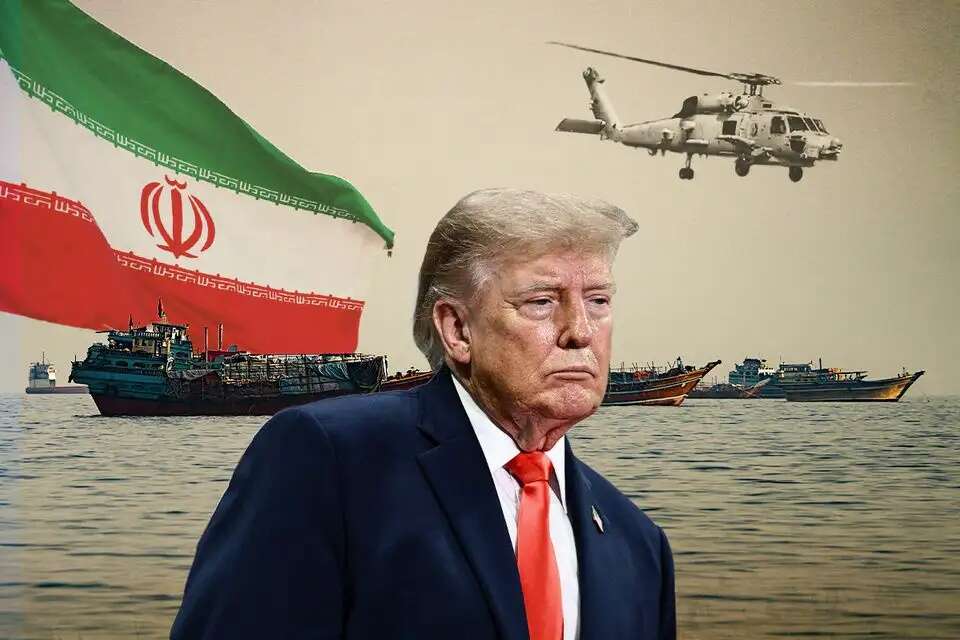
Earlier, US President Donald Trump said it was "highly unlikely" that renewed strikes on Iran would be necessary as long as negotiations over Tehran's nuclear program and the reopening of the Strait of Hormuz continued to make progress. "We have 38 bridges in our sights that we can knock down in literally one hour," Trump told CNN. "They'll all be down."
In Tehran, however, Iranian Foreign Minister Abbas Araghchi told state television that mediators had stopped traveling between the parties in recent days because of "the shock that the election results in the United States have caused to everyone."

Indeed, the US midterm elections could prove decisive in determining the course of the war. The conflict with Iran has been widely cited as a leading cause of the Republicans' defeat, including by Vice President JD Vance and several other senior figures.
"The reason we lost is the war," Vance wrote the day after the elections. Trump himself acknowledged that his vice president's assessment was "largely" correct.
Stephen Miller, who was appointed White House chief of staff over the weekend, also reportedly recognizes that the war has been a "political disaster," according to The New York Times. The Wall Street Journal reported that Miller had even urged Trump to bring the conflict to an end.
Iran's apparent confidence
The Iranians, for their part, are drawing encouragement from the election results. Araghchi said Tehran was waiting to see how long it would take the Americans to absorb the outcome.
Earlier, he wrote on X: "American voters have made their choice. Time for the White House to make its own." He urged Washington to accept Tehran's conditions or "choose war, and see our alert and battle-hardened Warriors rain down hell."
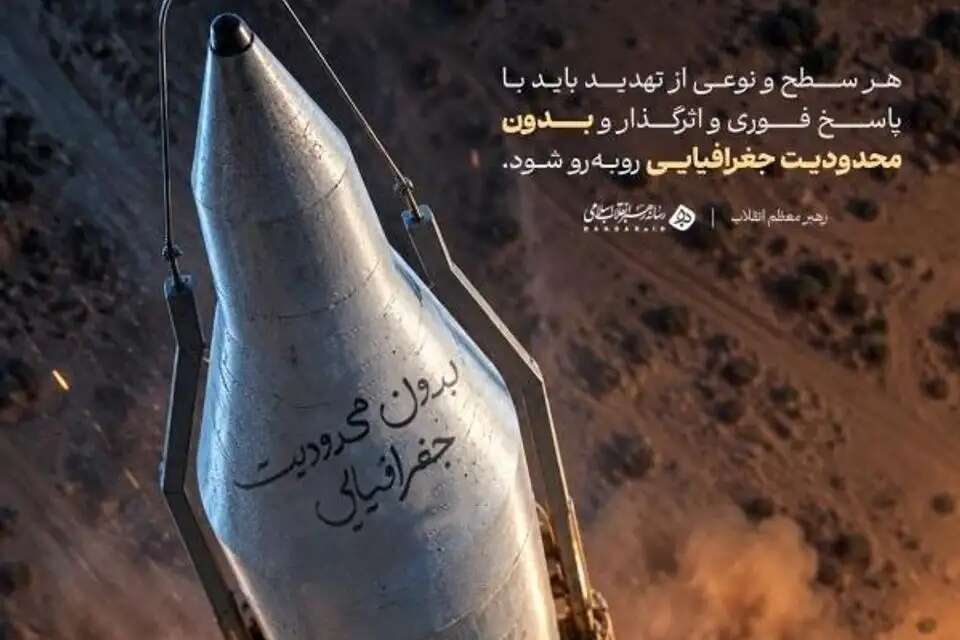
Yet Iran's apparent confidence could ultimately fuel a new escalation. Hardliners in Tehran view the election results as evidence of a weakened presidency that will be more inclined to accommodate their demands. That assessment is likely to encourage them to harden their negotiating positions in the immediate future.
Conversely, the prospect of Democrats gaining greater power to constrain the president when the new Congress takes office in January could push Trump to act while he still has greater freedom of maneuver.
"We're ready for it"
"We're ready for it. I've got three aircraft carriers here. The other one just arrived. We have three. They're fully locked and loaded," Trump told CNN.
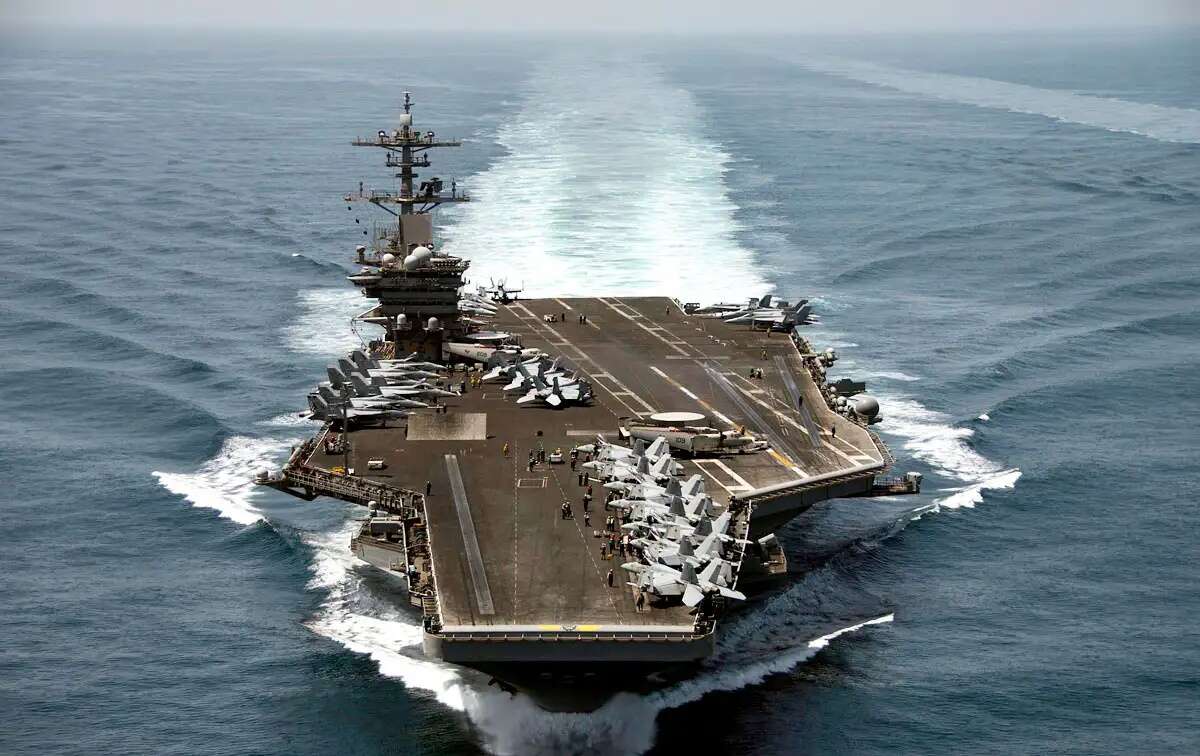
During the interview, Trump repeated several of his familiar claims about the war, describing Iran as "a failing nation" suffering from "301% inflation" this year. He asserted that Iran retained only about 10% of its missile capacity and 15% of its drone capabilities, while its air defenses had been destroyed. "All of their anti-aircraft is gone," he said.
Trump also revisited his threat, first made in April, to destroy Iranian bridges, although he insisted that he would rather avoid doing so. "I don't like ripping down bridges. And the hardest thing to build is a bridge. It takes years, and I'm a good builder," he said.
Meanwhile, US efforts to strangle Iran economically and force concessions at the negotiating table are continuing, with Iraq now becoming another focus of the pressure campaign.
On Saturday, the same day the US military established a task force to block Iran's overland supply routes, Iraqi Foreign Minister Fuad Hussein confirmed that Washington had asked Baghdad to close all but two of its border crossings with Iran.
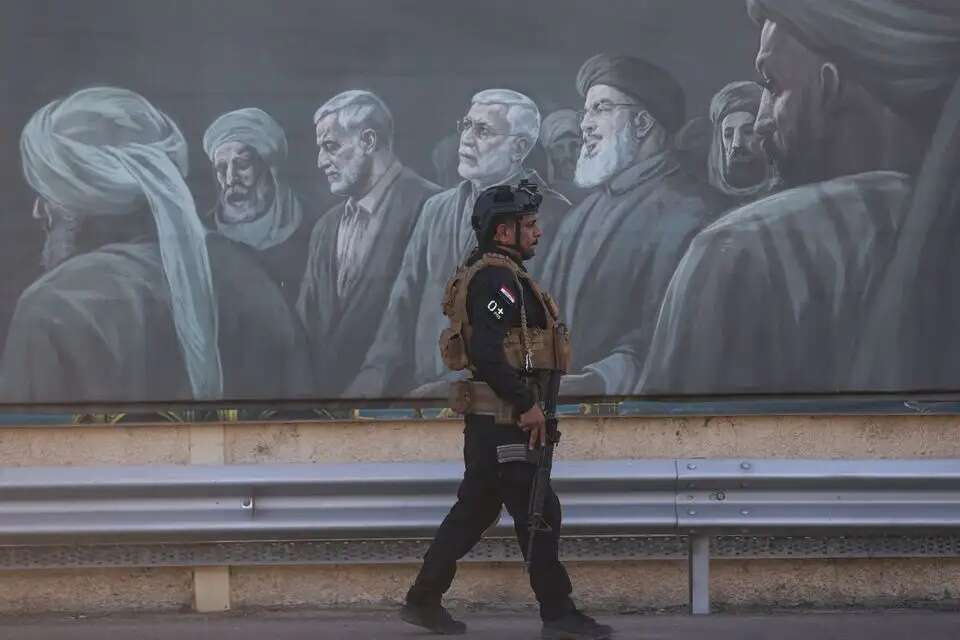
One of the main crossings in southern Iraq has already been closed for three weeks, prompting protests by local residents, who have also blocked roads.
Attacks on vessels in the Strait of Hormuz have continued in the meantime. Iran's Islamic Revolutionary Guard Corps claimed that three oil tankers had been hit and caught fire since Saturday night after attempting to pass through an "unauthorized route."
On Saturday afternoon, the Iranian Navy also announced that another tanker had struck a mine east of the strait. "The mines are waiting," warned Islamic Revolutionary Guard Corps spokesman Hossein Mohabbi. The Iranian military added that, "despite the false claims of the US president," its policy in the strait "cannot be changed."
For its part, the US military announced that an American aircraft had disabled a commercial vessel in the Gulf of Oman on Saturday after it attempted to breach the blockade of Iranian ports.