For the first time, Israel has officially acknowledged carrying out the strike on the Abu al-Duhur air base in Syria's Idlib province, near the Turkish border. The Prime Minister's Office issued an English-language statement on X late Tuesday night saying the Syrian government had been on the verge of violating a security status quo agreed with Israel.
"Israel and Syria agreed to a status quo in security matters, which Syria was on the verge of breaching by permitting Turkish troops to deploy at an airbase near Aleppo," the statement said. "Israel repeatedly warned Syria that such a deployment would pose a threat to Israel's security. Syria chose to ignore these warnings. Israel will not tolerate threats to its security, and would welcome a return to the status quo."
The Prime Minister's Office:
Israel and Syria agreed to a status quo in security matters, which Syria was on the verge of breaching by permitting Turkish troops to deploy at an airbase near Aleppo.Israel repeatedly warned Syria that such a deployment would pose a threat to…
— Prime Minister of Israel (@IsraeliPM) August 18, 2026
The statement amounted to an official claim of responsibility after hours of ambiguity on the Israeli side and amid US displeasure over the operation. By publishing it in English, the Prime Minister's Office sought to sharpen Israel's message against a Turkish military presence in Syria. US envoy Tom Barrack had earlier described the strikes as an "unnecessary escalation that does not advance regional stability."
Shortly before the Israeli statement was published, Barrack, the US ambassador to Turkey and special envoy for Syria, told Reuters just how close the incident may have come to triggering an Israeli-Turkish confrontation. Israel's strikes on the Syrian air base "reflected a perception, whether accurate or misplaced, that Turkey might in the near future increase its presence at that base," Barrack said.
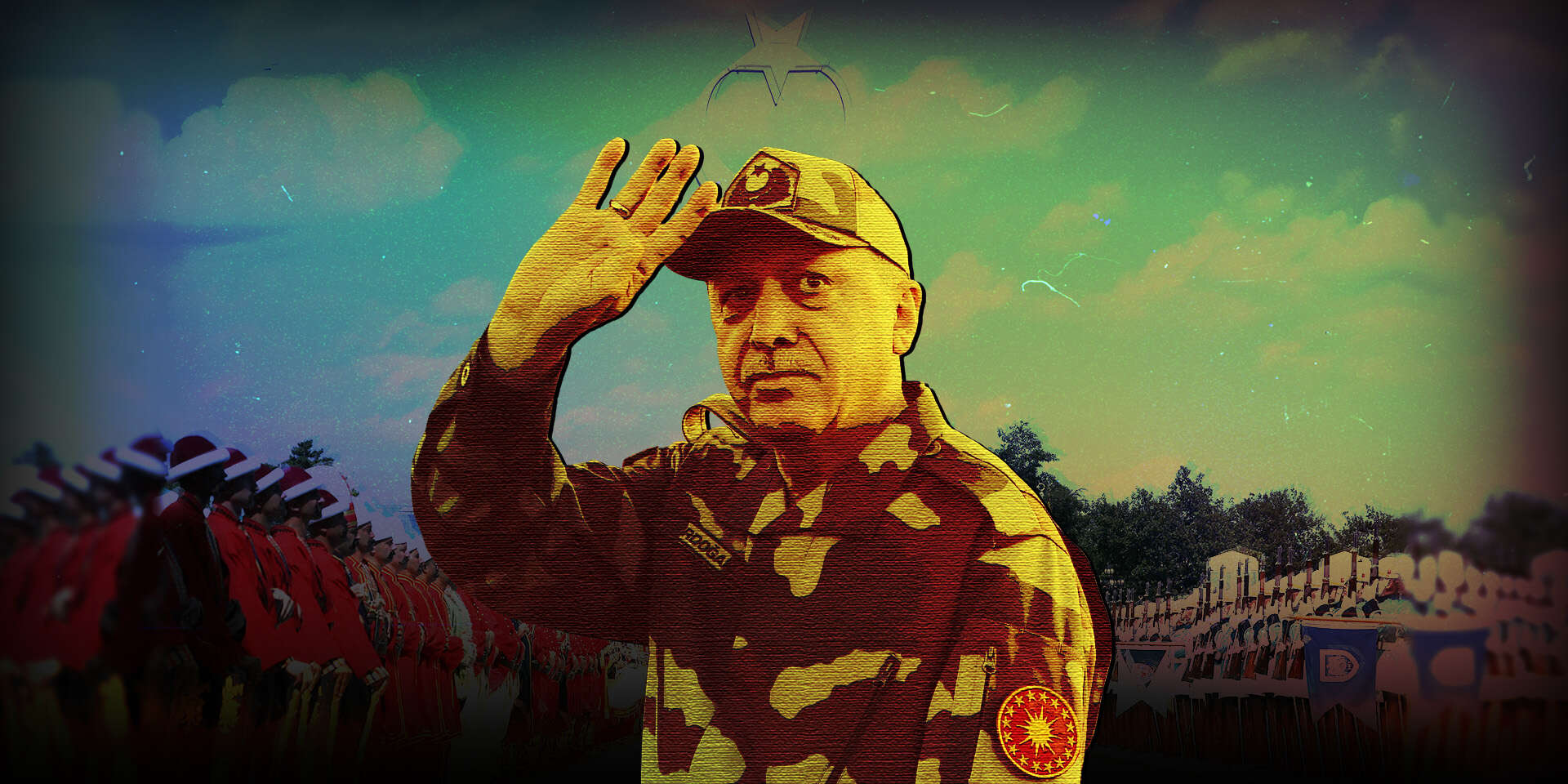
Turkey had not been warned about the Israeli strikes, he added, "and consequently observed the aircraft heading north toward its territory and therefore could have reasonably prepared its own response." Barrack said the episode proved the need for "a deconfliction mechanism involving Israel, Syria and Turkey," which Washington was actively working to establish.
"Thankfully, calm heads were able to prevent the situation from deteriorating further," he told Reuters.
Just two days earlier, Turkish President Recep Tayyip Erdogan said his country did not want war, stressing that Turkey favored peace, while maintaining that it would defend itself if attacked. In an interview published Monday, Erdogan said, "We are definitely not in favor of war. We are in favor of peace."