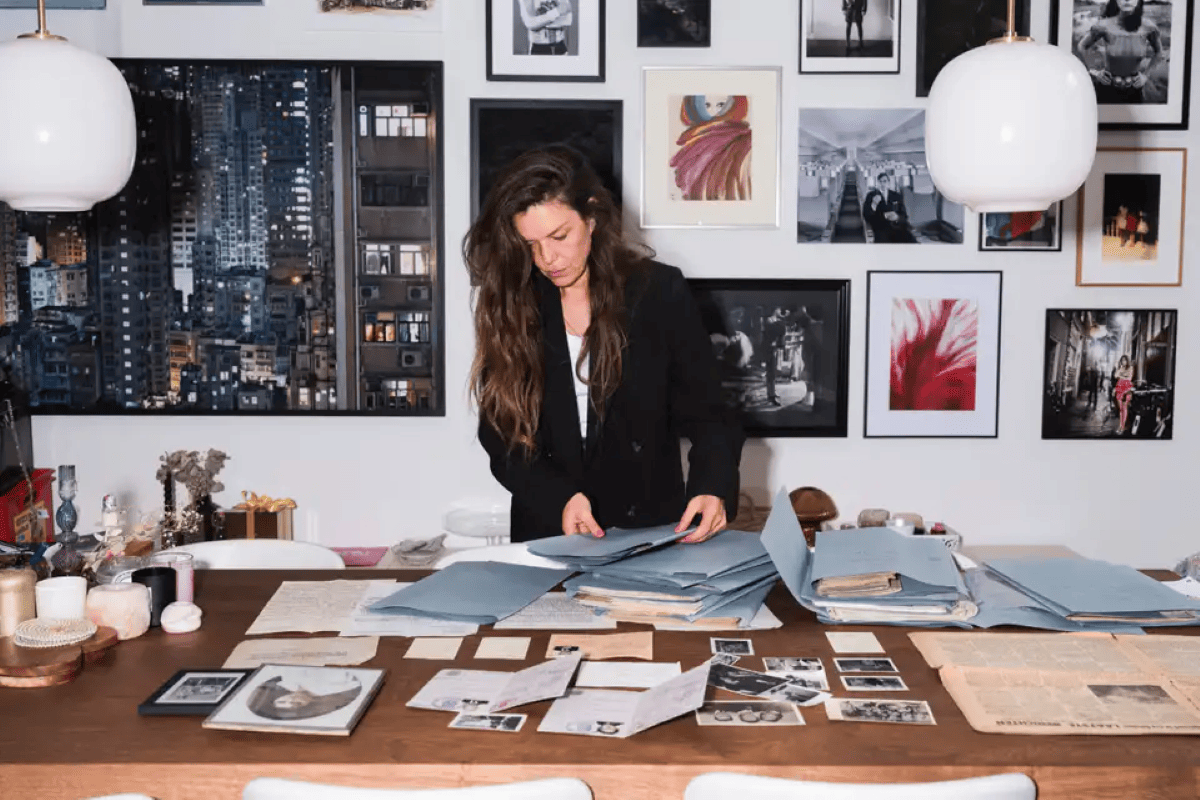
An Instagram message received by Dutch journalist Judith Zilversmit in October 2023 sent her on a journey into her family's past during the Holocaust, reopened an eight-decade-old wound, and drew her into an unexpected dispute, according to a report in The New York Times.
"Two years ago, I discovered in an old newspaper article that my grandmother, who lived at home until I was 18, had a dark past. She betrayed your father and the rest of the family, among others," the message sent to Zilversmit by Ingeborg Boelen, a Belgian woman, read, prompting a determined research of her family's story of survival.
Zilversmit's effort to learn exactly what had happened to her family during the Holocaust ultimately produced a bitter struggle over control of the documents, ownership of the family story, and the line between historical research and personal memory.
Zilversmit already knew the outline of the story: her father's family had fled Nazi-occupied Holland to hide in Belgium until they were betrayed in 1943, and their location was exposed. Her father, Hans, then 14, escaped with his parents by climbing onto the roof and jumping into the yard. His sister, Helga, 19, was caught, deported to Auschwitz, and survived.
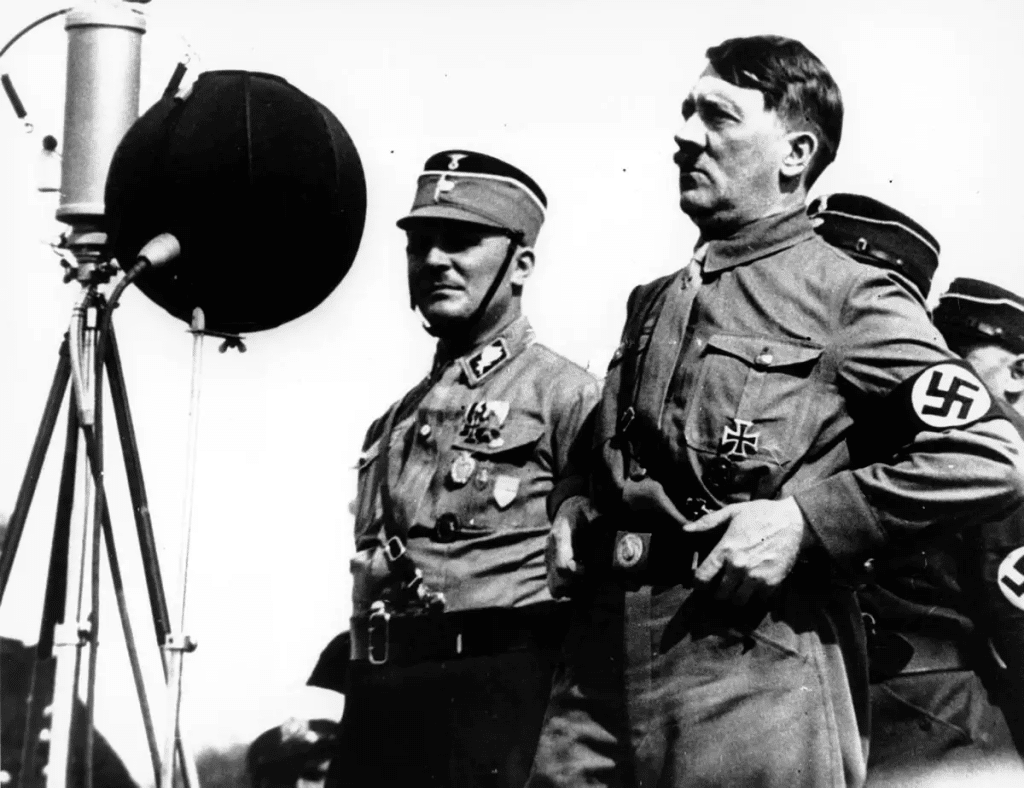
Boelen said she had obtained her grandmother's criminal file from a Belgian judicial archive. The grandmother, Maria-Elisabeth Stratermans-Coenegrachts, known as Betsy, ran a cafe on the Belgian side of the border with her husband while secretly informing for a Gestapo officer, infiltrating resistance networks, and helping betray the Zilversmit family, among others. She was convicted after the war and sentenced to life in prison, but was released in 1951.
Boelen initially invited Zilversmit to see the file's contents. Months later, Zilversmit turned the discovery into a six-part podcast, "The Betrayal of the Zilversmit Family," produced for the Dutch outlet Het Parool. She searched her mother's cellar for her father's and grandfather's documents, interviewed relatives and experts, and opened the family archive to a historian, Marie-Cécile van Hintum, who was writing her own book on the case.
When van Hintum took boxes of letters, newspaper clippings, a yellow badge, and swastika-stamped documents for her research, Zilversmit asked to be told if she found anything significant. The historian refused to commit to that, saying her findings would appear in her book instead. "It is my family, my material, and you want to hold onto it so you can have success for your book," Zilversmit told her, according to the report, prompting Van Hintum to ultimately leave the boxes behind.
The visit to Boelen in Belgium also ended in disappointment: despite her original invitation, she declined to open the judicial file to Zilversmit, saying she had promised the historian she would wait until the book's publication.
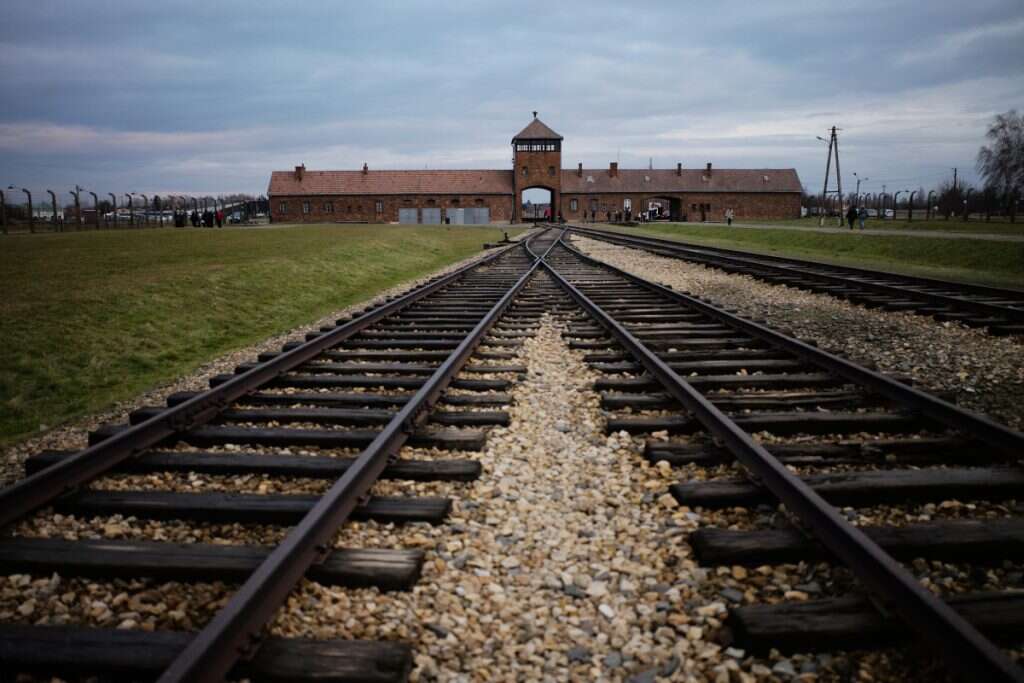
In Boelen's attic, Zilversmit found dozens of paintings Boelen had made, inspired by the memoir Helga wrote decades later describing the baby carriages of murdered children at Auschwitz, the camp's gate, and young Hans running for a departing train.
The podcast, released in November 2025, drew more than half a million listeners. Van Hintum countered that it portrayed her unfairly and that Zilversmit did not own the hours of research she had conducted, adding that some conversations were recorded without her consent, a claim Zilversmit and her podcast partner dispute, saying the recording equipment was visible throughout. Boelen, too, confronted Zilversmit at a public discussion in Amsterdam, arguing that parts of the podcast did not reflect reality.
The dispute reflects a broader problem emerging as European archives long kept sealed are opened to the public. In Belgium, those seeking such files generally must prove a direct link to the collaborator or gain a relative's consent, meaning descendants of victims can find themselves dependent on the goodwill of the family of the person who betrayed them. Zilversmit concluded that the current generation may not yet be ready for that conversation. "Maybe the time is just not yet ripe in this generation for this kind of conversation. Maybe in the next generation."