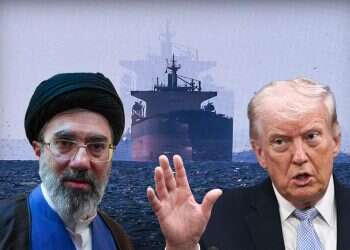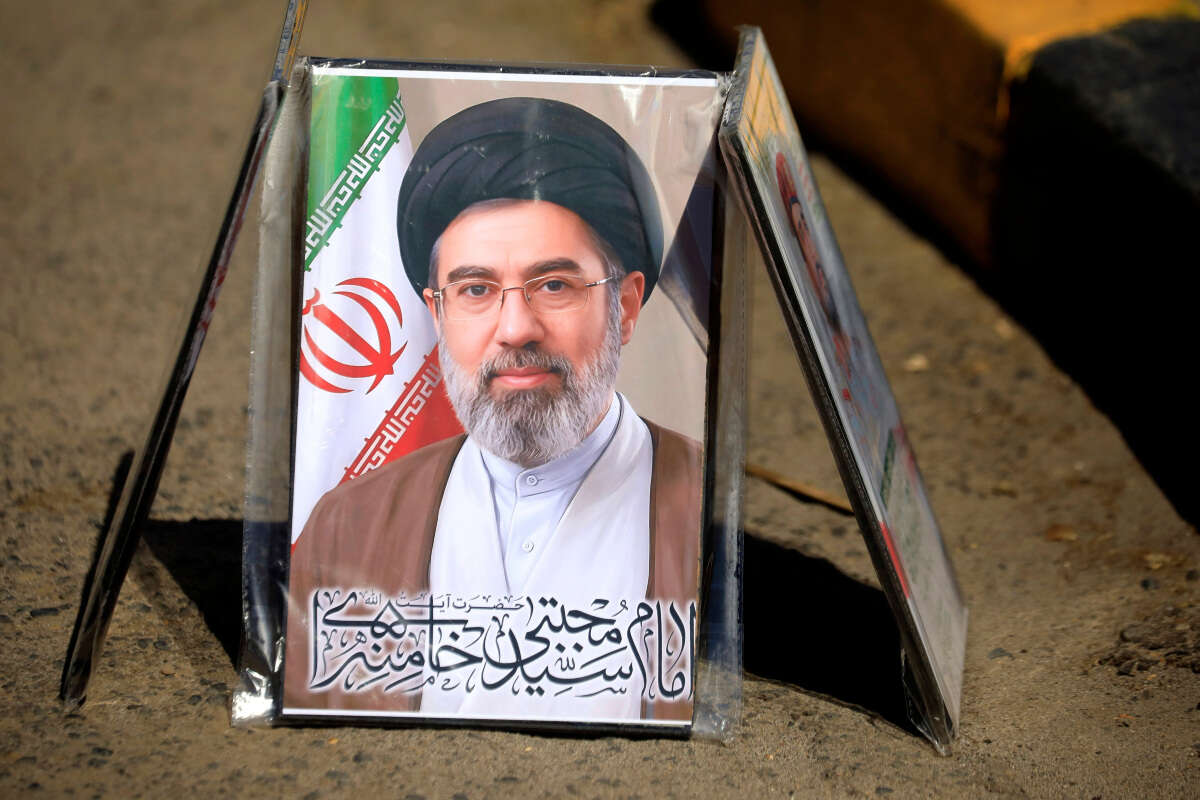
Speculation is sweeping through Tehran as Iranian Supreme Leader Mojtaba Khamenei remains hidden from the public eye nearly six months after taking power. According to The Atlantic, a complete lack of visual and audio proof of his survival has fueled rumors of a massive power vacuum, leaving rival factions battling for control.
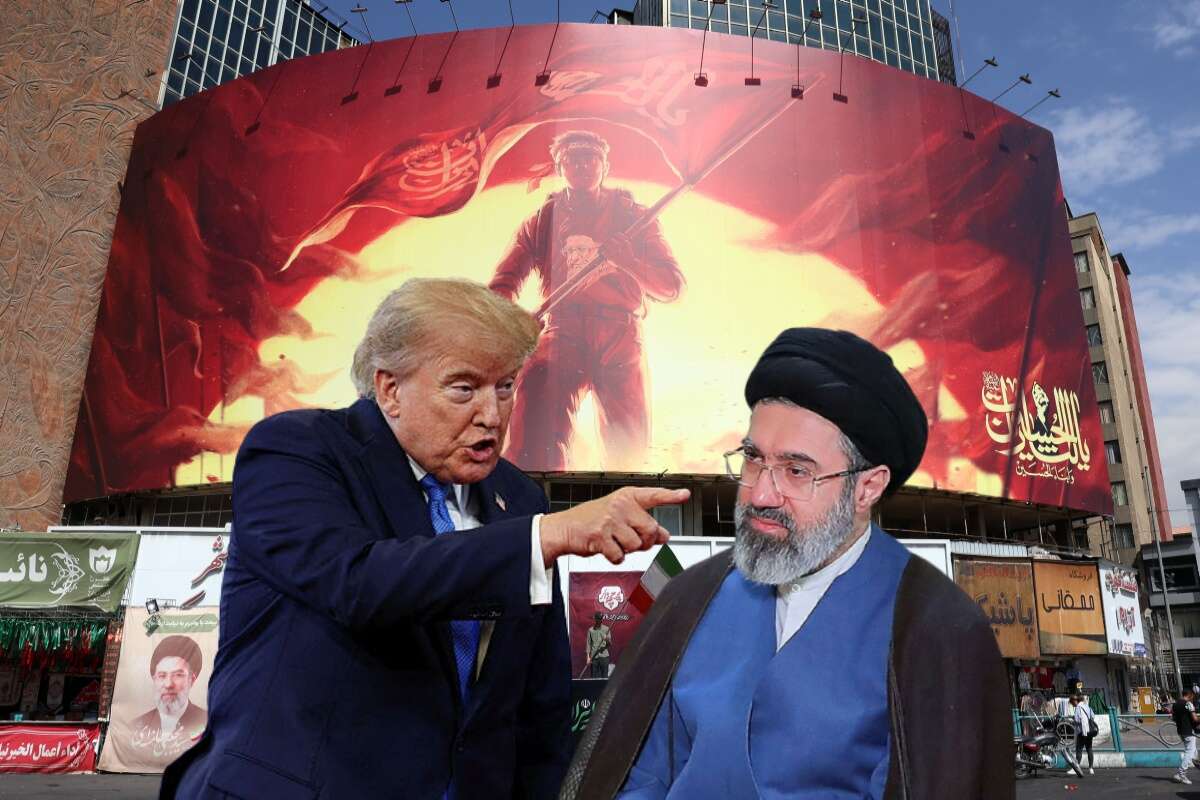
Thousands of mourners packed the largest mosque in Tehran last Tuesday to commemorate the death of Ayatollah Ali Khamenei. Numerous prominent politicians and the late supreme leader's sons attended the massive memorial service, The Atlantic reported. Yet the designated host of the event failed to show up. That missing figure was Mojtaba Khamenei, the new ruler of Iran.
The Iranian public has not seen their supreme leader in nearly six months, according to The Atlantic. No recent photographs or audio recordings exist to prove his whereabouts. Senior officials – including National Security Council member and Foreign Minister Abbas Araghchi – openly state they have lost contact with him. In fact, the opposition network IranWire revealed that no cabinet minister has secured an audience since his elevation to power.

Access remains completely cut off even for family members and lifelong companions. Mohammad Hossein Khoshvaght, a relative and former government official, told The Atlantic that a maximum of four individuals have interacted with him in person. The relative justified this isolation as necessary "due to security precautions."
Such extreme measures make strategic sense. The new leader faces the constant threat of a US or Israeli assassination campaign following the aerial bombardment that claimed his father's life. Broadcasting his voice or image could inadvertently reveal his coordinates to enemy intelligence. Unconfirmed reports also indicate he suffered physical trauma during the February bombing, rendering public appearances nearly impossible.
This absolute void has inevitably spawned widespread theories regarding his demise, according to the publication. The sharp reduction in official paperwork recently led government insiders to suspect he finally succumbed to his February combat wounds. The geopolitical fallout from this leadership paralysis could devastate the nation, whether he is dead or simply hiding.
The lack of secondary messaging convinced one Tehran bureaucrat that the leader was gone. The staffer told the magazine, "I believe Mojtaba has either passed away or is brain-dead," reflecting a growing consensus. Two additional state employees corroborated that grim assessment. One specific official estimated the incapacitation or death occurred in early August.
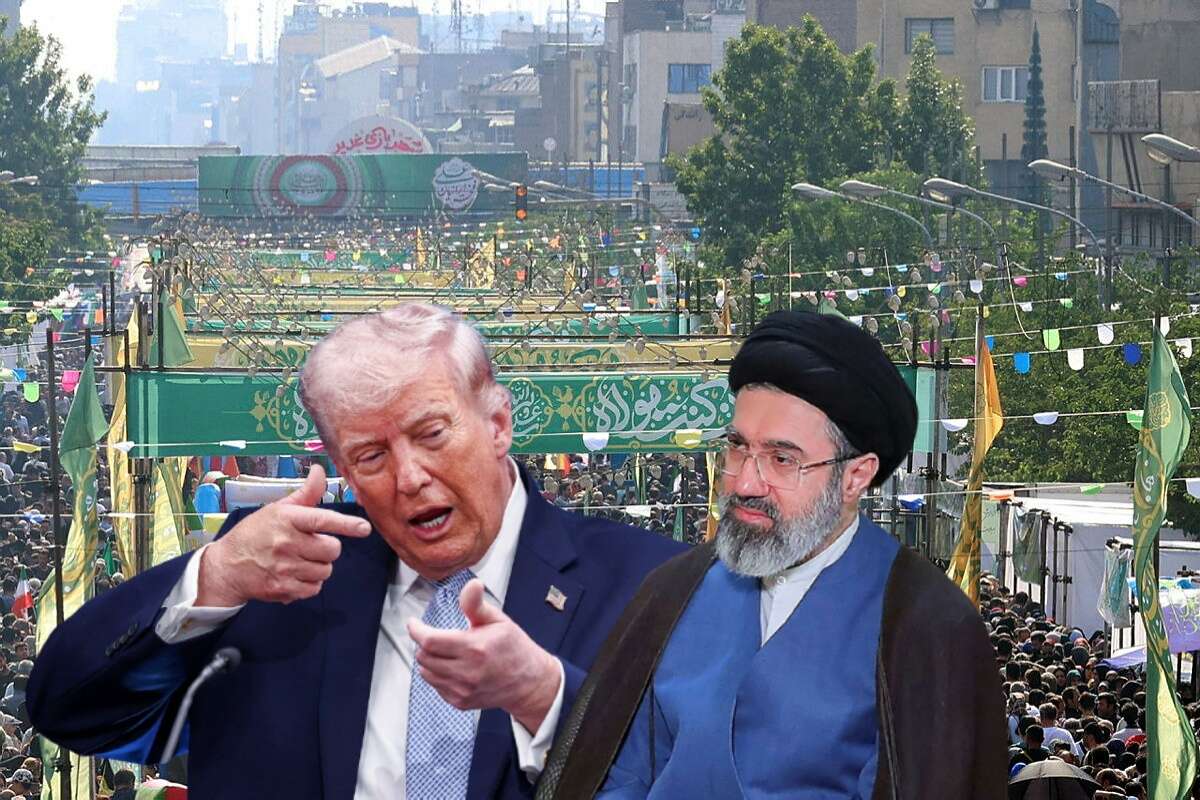
Rumors of his imminent passing have penetrated the "highest level of the regime" according to a pair of sources who spoke to IranWire. A domestic social media blast from mid-August begged the public to pray for his survival and slaughter sheep in his honor. The unusual broadcast warned that his life remained "under threat," adding that unnamed "clerics" predicted his assassination.
The Atlantic outlined how the supreme leader has governed purely through administrative paperwork. His office distributed a document on July 27 addressing religious inquiries, fulfilling his role as the ultimate spiritual authority. He explicitly ordered a follower to throw away meals touched by bleeding gums, enforcing the Islamic ban on consuming blood. The release of this edict implies he possessed full mental faculties just four weeks ago.
A final bulletin emerged on August 9 detailing a meeting with President Masoud Pezeshkian. The gathering supposedly celebrated the president's third anniversary in office, pointing to a late July timeline. Pezeshkian publicly claimed the pair spent seven hours analyzing military strategy and financial crises, though Khoshvaght noted the president traveled to the site "without knowing where it was," implying extreme blindfolded transport protocols. The leader concurrently reshuffled his National Security Council delegates and promoted several generals on August 9, marking his last known administrative acts.
Family members continue to aggressively deny the casualty reports. Khoshvaght labeled the narratives "part of a psychological war hoping to demoralize Iran's officials and its people, for them to give up to the pressures and threats of America," while claiming the stories aimed to give rebels the "courage to come to the streets so that the plans of the US and Israel can be realized." Former interior ministry official Abdolreza Davari insisted the leader remains "in full health" and will soon step into the light. Yet the total information blackout, bizarre prayer requests, and persistent internal leaks have shattered public trust in these denials, the outlet observed.
This physical absence directly destabilizes the national power structure regardless of his medical status. The supreme leader acts as the ultimate constitutional referee in Iran, historically resolving brutal turf wars between competing state organs. The current ruler seems perfectly willing to ignore these clashes during a uniquely critical era.
The resulting power vacuum has transformed the 13-member National Security Council into a provisional governing junta, the report noted. Pezeshkian, a reformist seeking to terminate the US conflict, shares leadership duties with pragmatic parliamentary speaker Mohammad Bagher Ghalibaf. They sit alongside hardline military commanders, including IRGC chief General Ahmad Vahidi.
That same council overwhelmingly backed a diplomatic treaty with Washington during a June summit in Islamabad, the magazine stated. The supreme leader formally authorized the agreement despite noting his initial opposition "in principle." Militarist factions capitalized on that phrasing to accuse Ghalibaf of hijacking the government, prompting an IRGC-aligned media group to release a propaganda film framing the diplomacy as a coup.
The supreme leader completely ignored the controversy, allowing rival camps to endlessly project their own agendas onto his silence. Pezeshkian later told journalists his lengthy marathon session included strict directives to "keep unity and cohesion" instead of bickering, The Atlantic added.
Bureaucratic warfare persists despite those supposed commands. The Assembly of Experts – an 88-seat oversight panel – issued a June declaration featuring 63 signatures that forbade any politician from contradicting the leader's "definite opinion." That document simultaneously urged any believer "who could gain access" to assassinate Donald Trump, contradicting the peace faction but echoing the leader's own calls for "blood revenge."
Iran currently faces a historic crossroads between regional war and international diplomacy. The state constitution places the burden of that choice squarely on the shoulders of one man. Since nobody can confirm if that man is even breathing, the country remains trapped in a paralyzing holding pattern, The Atlantic concluded.