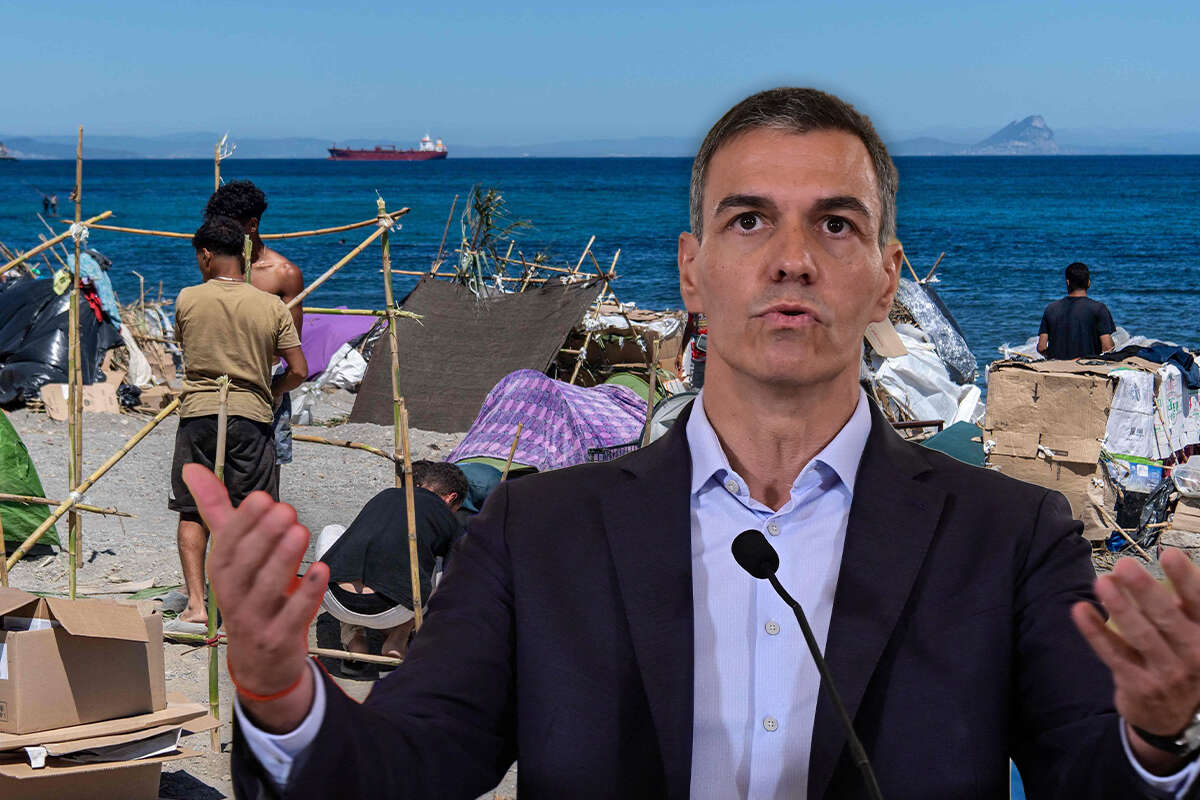
Spanish Prime Minister Pedro Sanchez said Monday that Russia and Israel had both spread and amplified disinformation tied to last month's mass migrant entry into Spain's North African enclave of Ceuta, citing research from the European Union's foreign service, the EEAS, Reuters reported.
Madrid's disputes with Moscow and Jerusalem over their positions on the wars in Ukraine and the Middle East, Sanchez said, made it "evident" that both countries had exploited the crisis to criticize the Spanish government. "After July 30 and 31, there was a spread of rumours and disinformation, from social networks linked both to Russia and to Israel, and to an ultra-right international that always uses migration not only to attack Spain, but also to attack Europe and divide it," Sanchez told Cadena Ser radio.
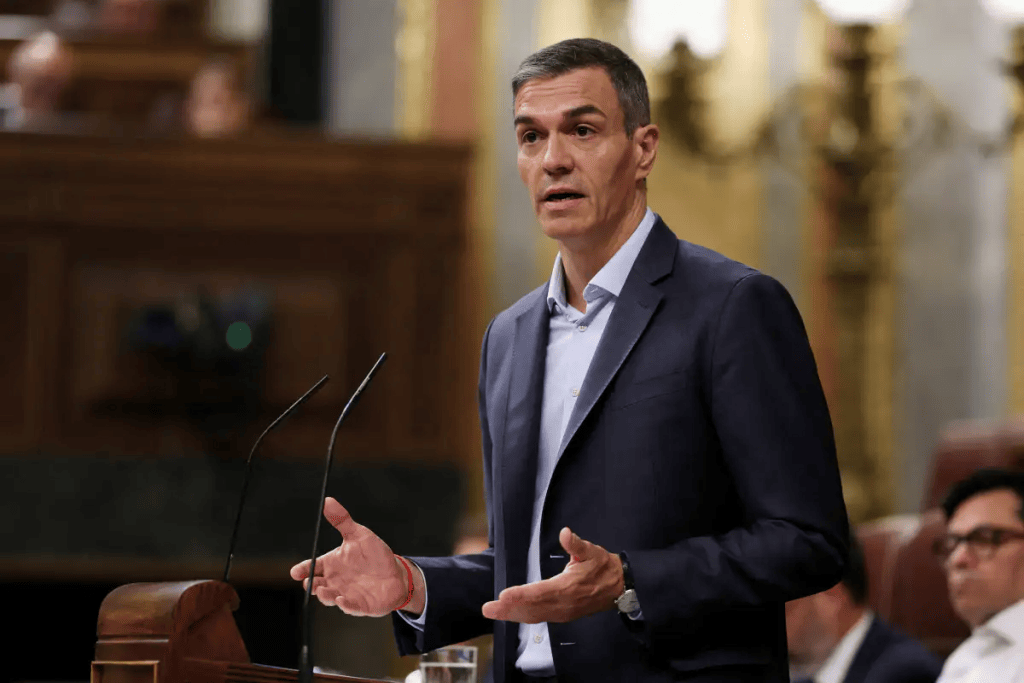
On the question of Moroccan involvement in the sudden influx of migrants who arrived in Spanish territory, Sanchez ruled out any responsibility on Rabat's part.
No agency that cooperates with Spanish intelligence has raised doubt about Moroccan authorities' role "in one way or another," he said, adding: "No intelligence service with which the Spanish government normally cooperates sheds any doubt, or rather, suggests any doubt, about the involvement in one way or another of the Moroccan authorities."
The vast majority of the roughly 70,000 people who entered Ceuta have since been returned to Morocco, Spanish authorities said.
However, the most recent incident took place on Saturday, when four Moroccan migrants were arrested on suspicion of throwing stones at a patrol of Spanish soldiers. One of the soldiers fell and was injured while pursuing the attackers, a police spokesperson told AFP, marking the second such incident within a few days. It followed an ambush in the early morning hours of Thursday targeting a military vehicle carrying four soldiers, at whom roughly 70 migrants threw stones and other objects. The soldiers fled and called for police assistance, and one of them was lightly injured by a stone. Twelve migrants, all Moroccan, were arrested over the attack, and eleven of them were deported to Morocco, according to local reports.
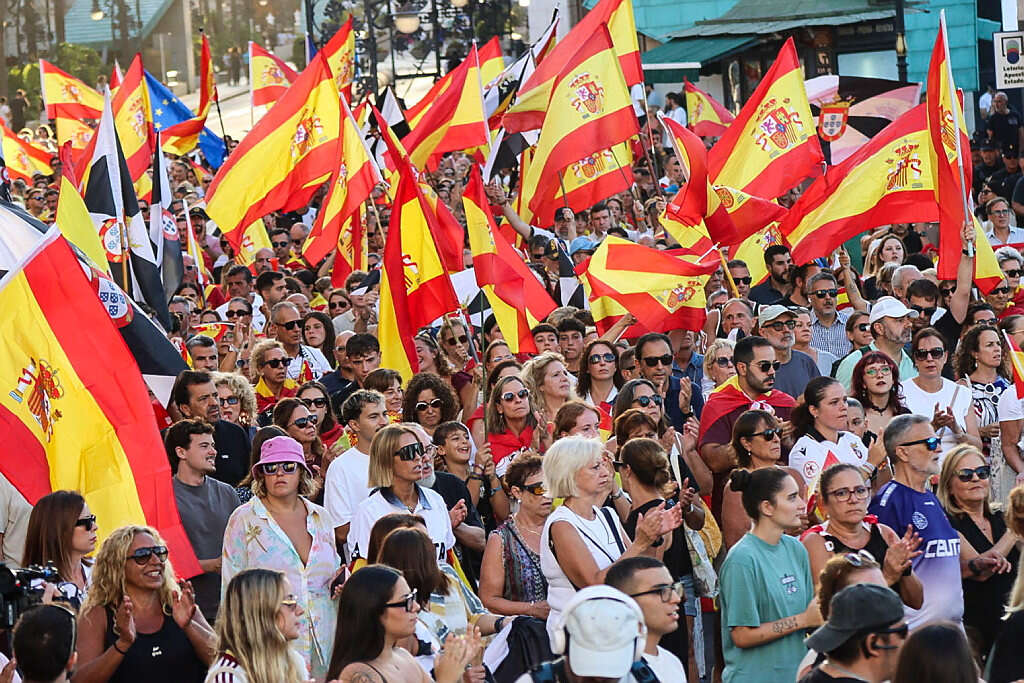
Residents of Ceuta have been holding regular protests since the mass border crossing, arguing that it has created security and sanitation problems in the city. On Thursday, the protests escalated into clashes between locals and police, with officers charging demonstrators on one of the beaches after a group of them entered an area where migrants were sleeping, and migrants' belongings were set on fire during the unrest.
The number of migrants still in Ceuta is still undetermined. Of the more than 70,000 who entered the enclave in late July, swimming or walking in from the Moroccan side, the vast majority returned to Morocco within hours. Spain's left-wing government estimates that between 3,500 and 7,000 people remain, while Ceuta's local leadership claims the number is at least ten thousand.