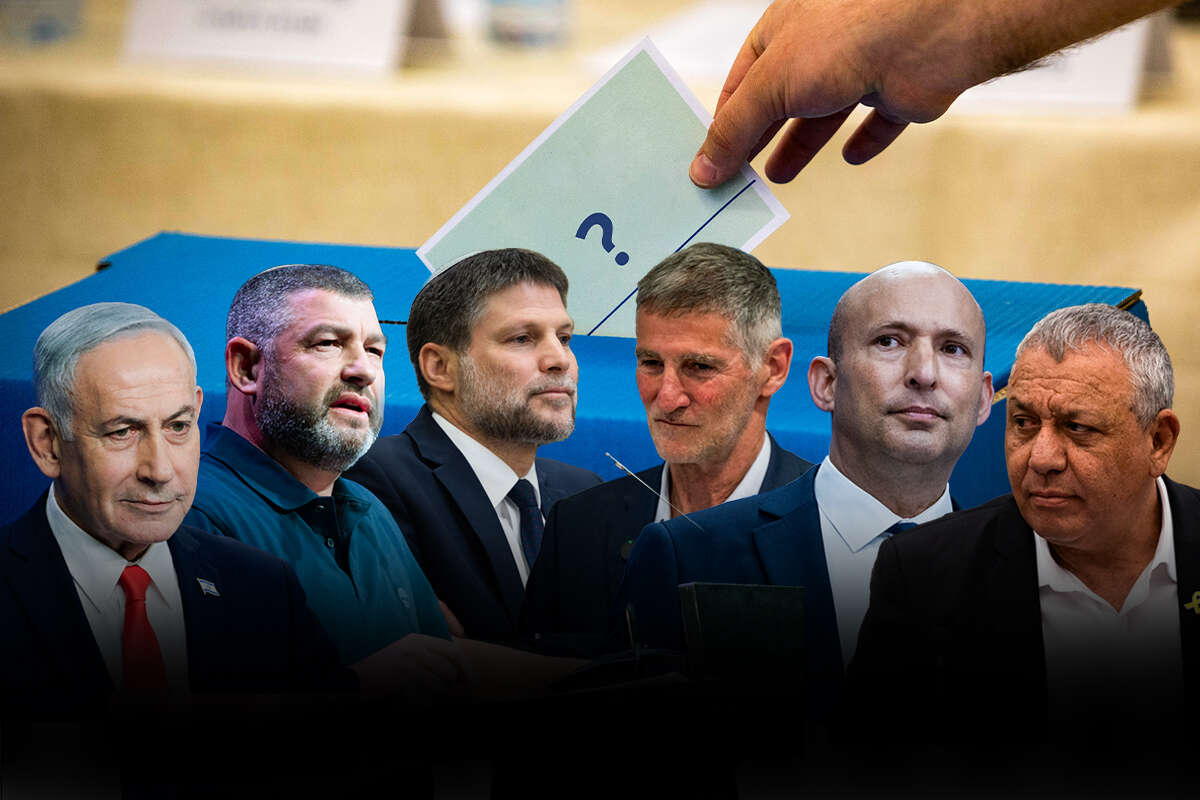
For most Israelis, this coming Tuesday, the deadline for submitting candidate lists for the Knesset election, is just another day in an exhausting campaign. For politicians, however, it is almost as important as Election Day itself.
While Israelis are busy preparing for Rosh Hashanah, large and small parties alike face difficult decisions in the coming days, including what form they will take in the upcoming election, if they run at all. So what questions remain on the table? Which parties will drop out just before the lists close? And what dramatic last-minute decisions could still be made? Israel Hayom takes a closer look.
A mega-merger in the change bloc?
In recent days, both Gadi Eisenkot's camp and the Bennett-Lapid camp have continued to examine the possibility of merging their lists and creating a major political realignment in the change bloc.
The advantages are clear. Such a large joint list would carry greater legitimacy in seeking to form the next government, increase the party's proportional representation if a significant party fails to cross the electoral threshold, thanks to Israel's Bader-Ofer seat-allocation system, and could also energize voters by encouraging them to back the largest party.
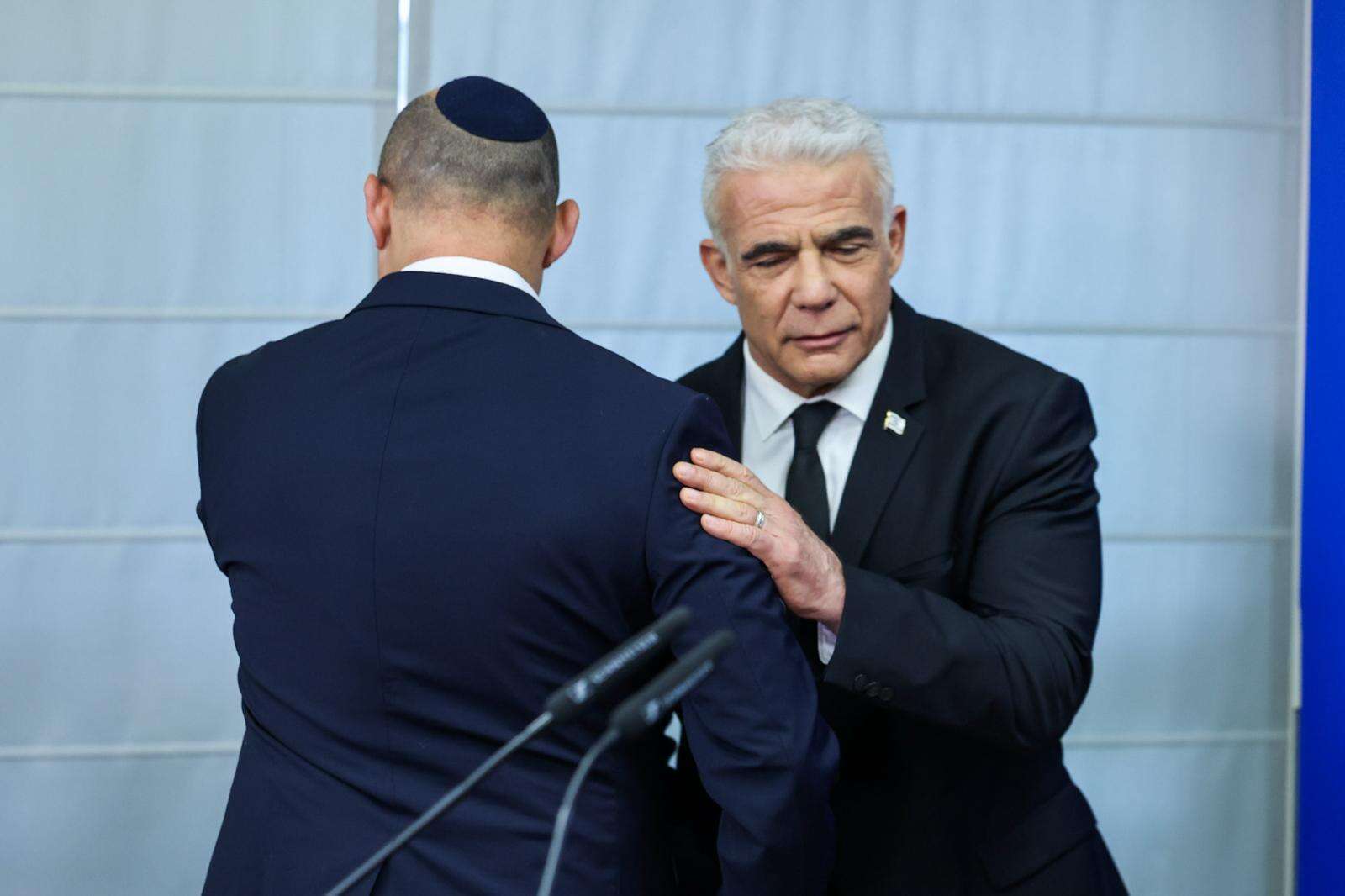
The drawbacks are equally clear. An Israel Hayom poll published over the weekend found that such a merger would shift one Knesset seat into Prime Minister Benjamin Netanyahu's bloc, moving it from former Prime Minister Naftali Bennett to former IDF Brig. Gen. (res.) Ofer Winter's Amcha Yisrael party. Likud supporters who had been planning to stay home and not vote at all could also turn out because of what they would perceive as the genuine threat of a "left-wing government."
There are still no draft agreements or substantive negotiations between the sides, including any decision over who would lead such a joint slate. But if they decide to pursue the move, they could put it together quickly.
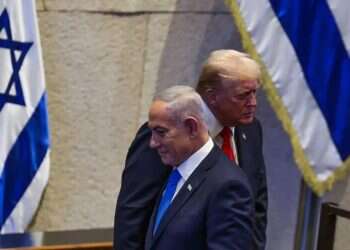
Who will Netanyahu reserve slots for?
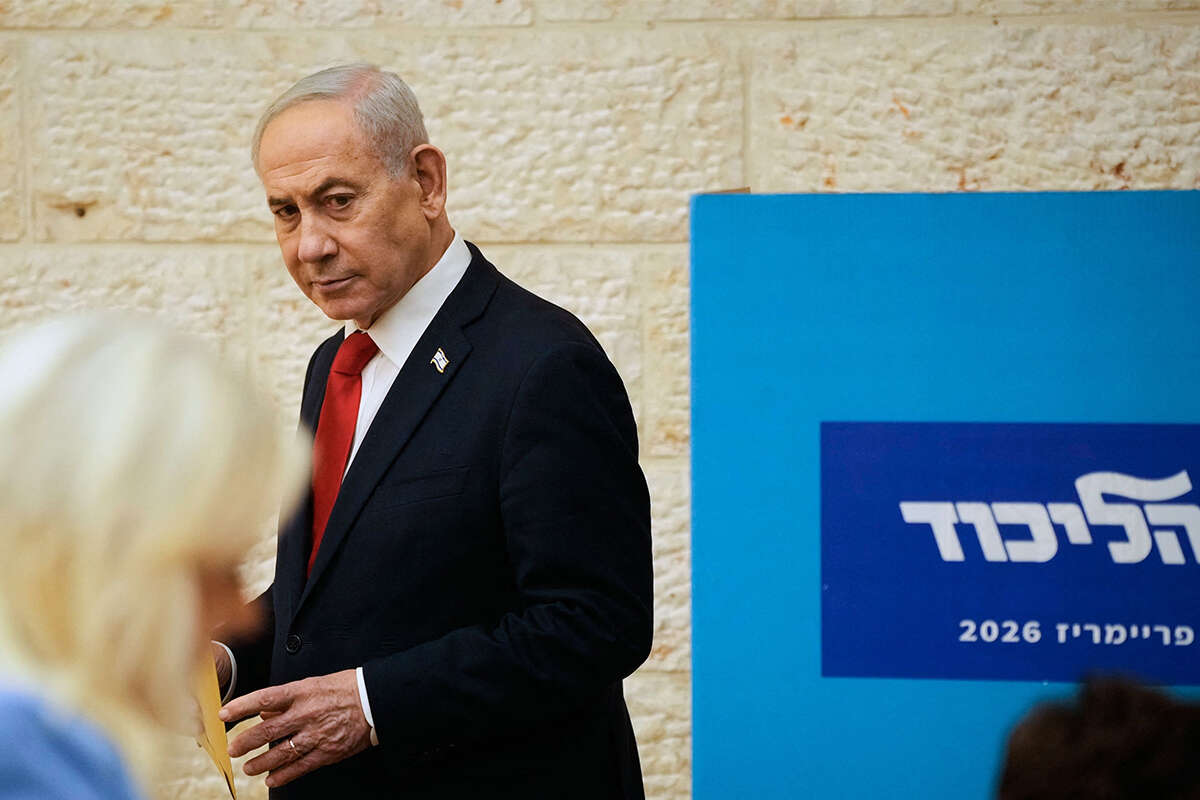
With the deadline for submitting candidate lists fast approaching, no fewer than five reserved slots in realistic positions remain open on Likud's slate.
Netanyahu has been sounding out potential recruits who could significantly strengthen the ticket, but so far with little success. Former Finance Minister Moshe Kahlon rejected Netanyahu's overtures, and the pool of potential game-changing candidates is dwindling.
It is difficult to imagine Netanyahu ultimately leaving the slots allocated to him unused, in part because they could also help him facilitate mergers among parties on the Right.
Is there an audience for a third bloc?
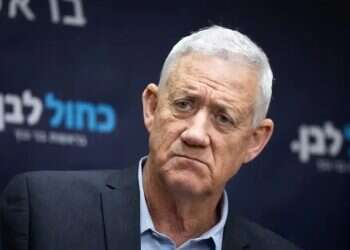
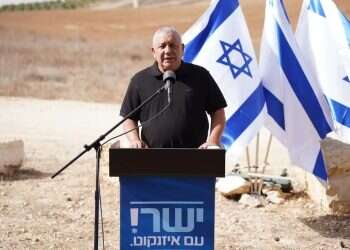
Former Israeli ambassador to the UN Gilad Erdan has dropped out of the race, leaving Benny Gantz, Yoaz Hendel and Chili Tropper as the last men standing in the battle to establish a third political bloc.
At the moment, however, Tropper appears likely to return to the change bloc, joining either Eisenkot or Bennett. If he chooses Eisenkot, Hendel is not expected to be part of the alliance and could revisit the possibility of joining Gantz's Blue and White.
Gantz, in any event, intends to remain in the race, hoping to become the sole remaining player in the third bloc and somehow cross the electoral threshold. He will try to bolster his slate in the remaining days before the deadline, with former Interior Minister Ayelet Shaked one possible partner for such a move.
Where does Winter go?
Ofer Winter entered the race with considerable fanfare shortly before the candidate-list deadline, launching a party that sought to transcend Israel's traditional political blocs and appeal across different sectors of society. But Winter quickly pledged to support Netanyahu for prime minister, leaving himself competing in the already crowded space on the right flank of the right-wing bloc.
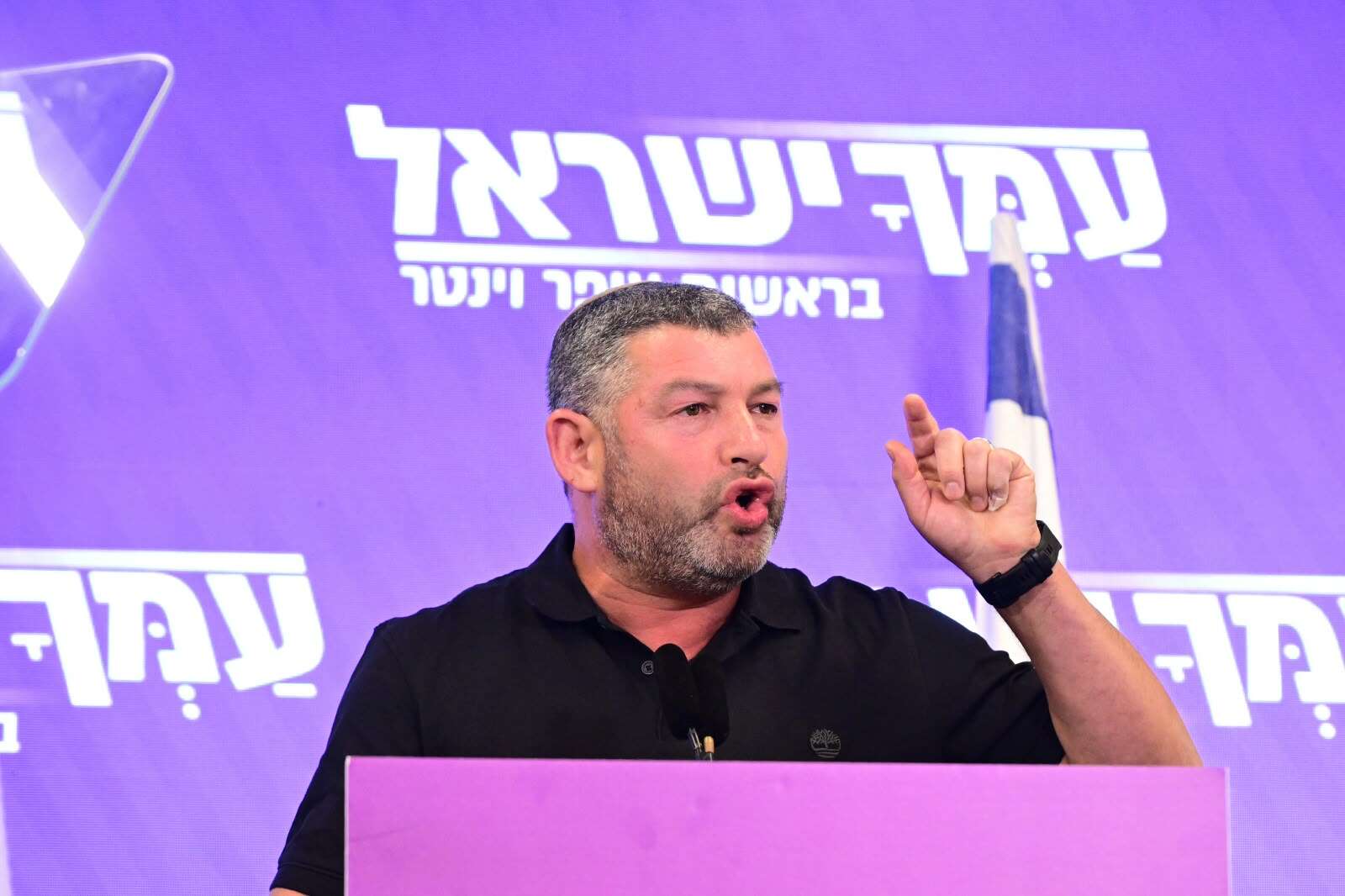
Netanyahu understands, correctly, that more than two lists to Likud's right cannot realistically cross the electoral threshold. In fact, since the threshold was raised to the equivalent of four Knesset seats, only one party to Likud's right has managed to cross it in any given election.
Winter, however, is so far sticking to his principle of not merging with existing parties. Instead, he is exploring alliances with small and newly established parties, including economist Yaron Zelekha's New Economic Party. The only question now is who will blink first: Netanyahu or Winter.