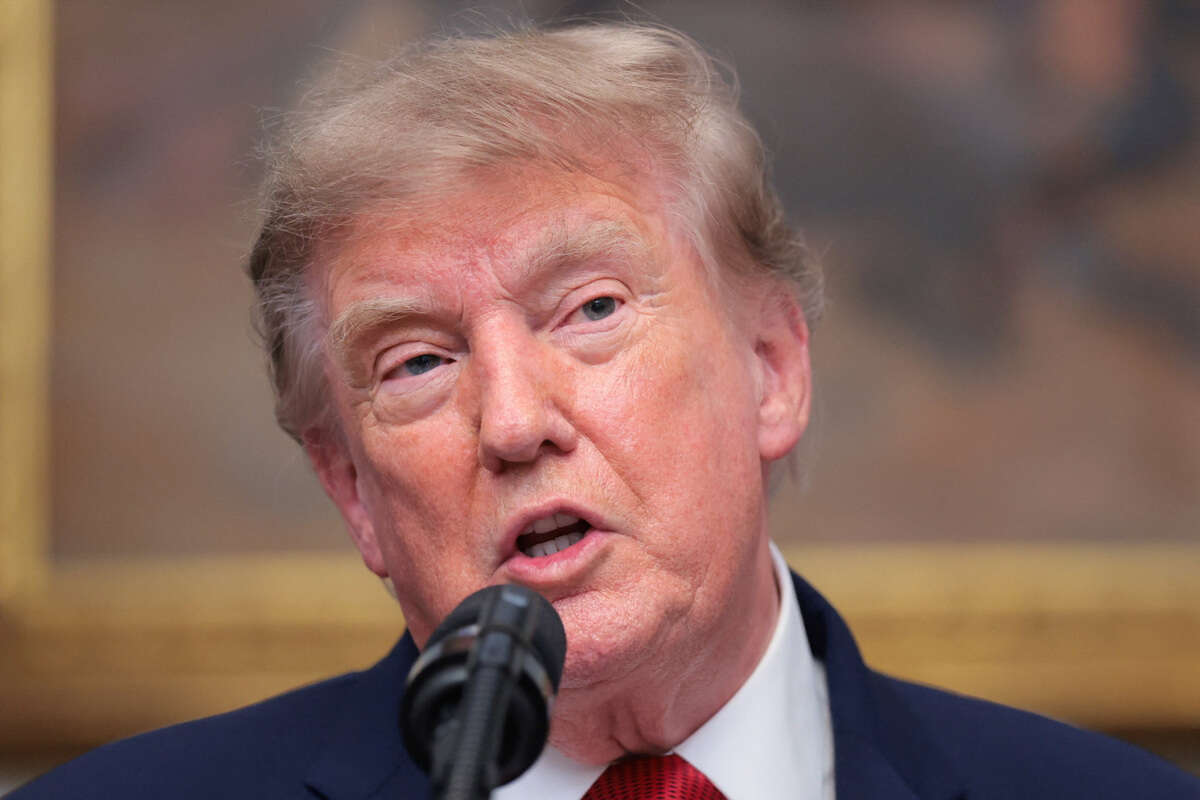
The Trump administration raised no objection to the UK-led sanctions campaign against Israeli settlements in Judea and Samaria, Axios reported, citing US officials and Western diplomats familiar with the matter.
Inside the administration, this reads as a sign of mounting White House frustration with the Netanyahu government's settlement policy in the area.
Britain rolled out its sanctions package on Tuesday, targeting individuals and entities behind settlement construction in the West Bank and simultaneously barring imports of settlement-produced goods. Israel's approval of a settlement in the diplomatically sensitive E1 area east of Jerusalem. E1 construction has never had bipartisan American support.
11 governments beyond Britain's signed on: Canada, Denmark, Finland, France, Iceland, Ireland, Norway, Poland, Portugal, Spain and Sweden all declared "their intention to introduce national and/or support European restrictions on trade in goods with the Israeli settlements in the [West Bank]."
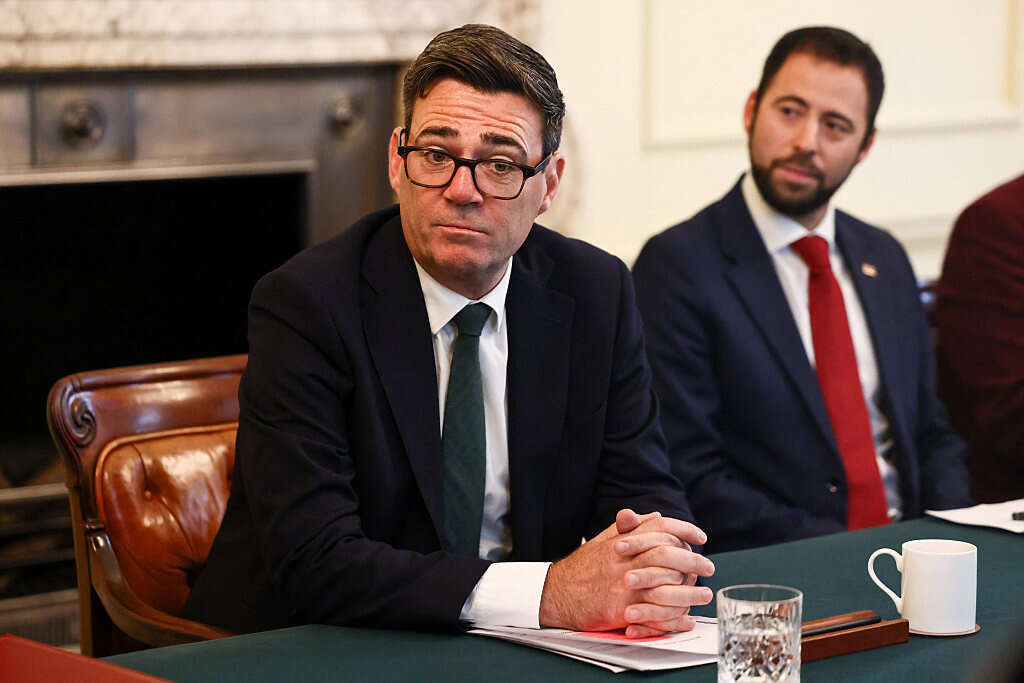
Jerusalem hit back fast, closing the UK's east Jerusalem consulate – the post that manages Palestinian Authority relations – and followed that by expelling British diplomats and military personnel stationed with a US-led Gaza task force, then scrapping a British military training mission based in the West Bank. Before the sanctions became public, UK Prime Minister Andy Burnham briefed President Trump on what was coming. According to two sources briefed on that conversation, Trump offered no pushback and made no attempt to talk Burnham out of it, Axios reported.
Washington wasn't entirely hands-off. American officials privately told their British counterparts that they shared the underlying concern about Netanyahu's West Bank policy, sources say, even as they stopped short of endorsing this particular set of sanctions.
When reporters raised the topic with Secretary of State Marco Rubio on Tuesday, he declined to criticize the UK's move: "The President hasn't commented on this and neither have I. We were made aware that they are gonna make this decision. We heard their arguments as to why," he said, adding, "We share the goal of stability. We don't want to see an uptick in violence or tensions in the West Bank in a tenuous time in the region."
Not everyone in the administration stayed on message. US Ambassador to Israel Mike Huckabee told the BBC that Britain's decision amounted to "discrimination against the Jewish people," and pressed further: "This is an irrational action ... if the UK is really interested in dealing with issues they feel like are wrong, where are the sanctions against North Korea, China, Russia?" The White House moved quickly to disown the remarks, with an official telling Axios they "were not coordinated with the White House" or the State Department.