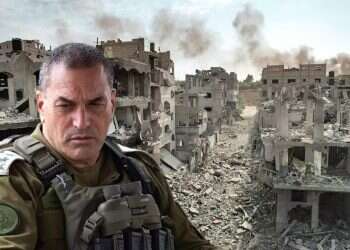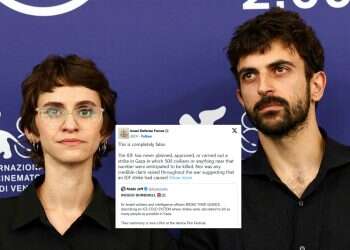
Hostage survivor Eliya Cohen launched a fierce attack on Monday against the creators of "NAZA", the documentary that won an award at the Venice Film Festival. Cohen called for posters to be hung against the filmmakers and for them to be publicly shamed, claiming they were spreading harmful lies about IDF soldiers who risked their lives for him.
"I've spent two days seething over this couple who flew to Venice to pick up an award," Cohen said in a video he posted. He stressed that despite freedom of speech in Israel, the public could not stay silent on the matter. "We need to take to the streets, hang up posters and spread their pictures across every media outlet. When they walk down the street, they should feel ashamed." He clarified that he did not intend to encourage breaking the law, but called for sharp protest and argued that people should spit on them in the street.
Cohen explained that his anger stemmed from the harm done to the soldiers who fought in Gaza. "They can't degrade the people who fought day after day to bring me home," he said. He went on to accuse the directors of causing dangerous repercussions outside Israel. "The blood of our friends and of Diaspora Jews is on their hands. Anyone who goes to Europe and speaks Hebrew will get spat on and beaten up simply because of these people spreading lies about us." He also said the film used extras to fake testimonies.
Cohen was held for 505 days in Hamas captivity after being abducted from a bomb shelter near the Nova festival. His partner, Ziv Abud, who was with him in the shelter, managed to survive. He recently published his book, "Mofawadat" which chronicles his ordeal in captivity, a book he began writing immediately upon arriving at the hospital following his rescue.
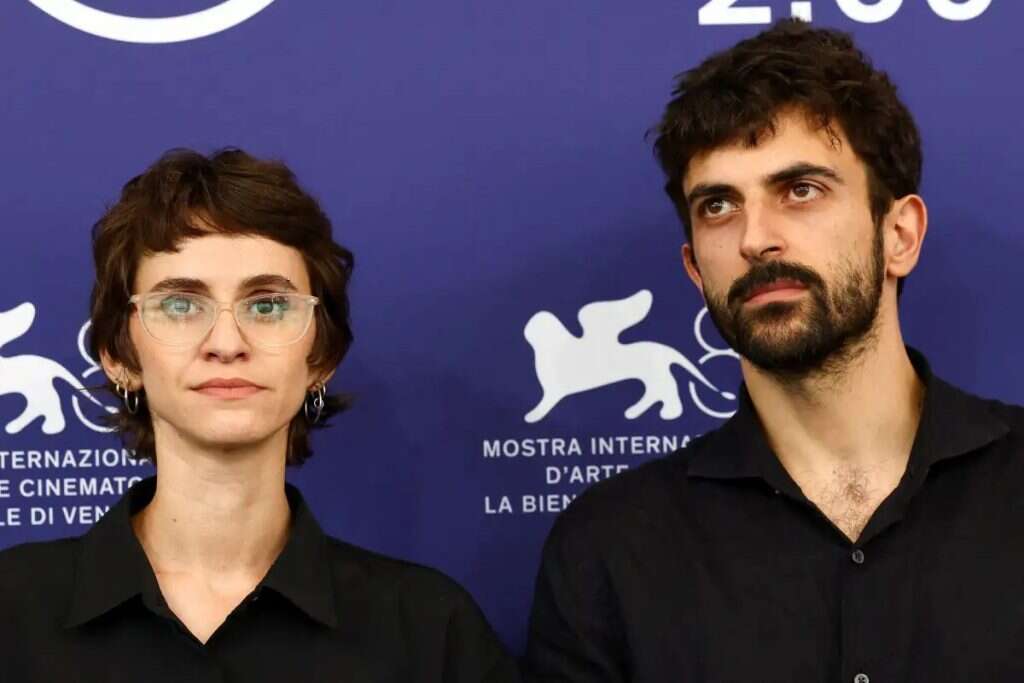
The uproar surrounding "NAZA" erupted after the film won the Special Jury Prize in Italy. The film presents 24 anonymous testimonies from soldiers alleging the deliberate killing of Palestinian civilians. In response to the film's release, the IDF rejected the allegations, calling them an outright lie based on junior soldiers who are not involved in decision-making or familiar with combat strategy. The military clarified that strike decisions are made by human beings, not by artificial intelligence.
Following the win, director Yuval Abraham addressed the film's critics and declared his intention to distribute it in Israel despite the denials. He said the goal was to expose the wider public to the soldiers' testimonies in order to spark a pointed discussion about what is happening in the Gaza Strip.