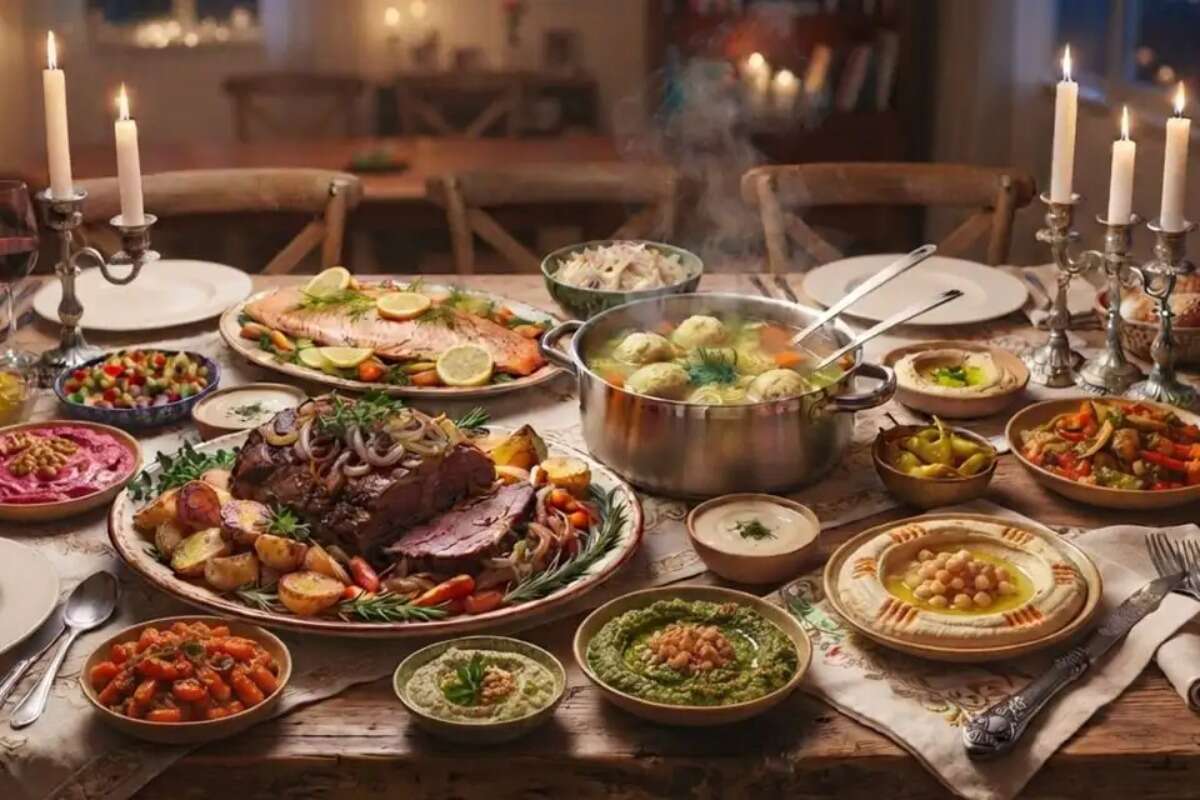
Fasting is an ancient custom found in many religions and cultures, but what happens around the fast – what people eat before it, how they break it, and how quickly they return to a normal meal – is often just as interesting as the fast itself.
Veronika Meisler, a clinical dietitian certified in NLP (a neuro-linguistic coaching method) and a consultant for Herbalife, explains, "When you look at these traditions through the lens of physiology, you discover something surprising. Long before anyone knew about insulin or the rate at which the stomach empties, different cultures had already adopted principles that our bodies clearly appreciate."
Before the fast, more food does not mean less hunger
In Judaism, Yom Kippur begins with the pre-fast meal, and it can seem like the more you eat, the easier the fast will be. But the body does not work like a fuel tank that can simply be filled to the brim.
Meisler adds, "And that is exactly why 'the more food, the better' at a meal does not translate into more hours without hunger. A 1,200-calorie meal will not keep you full twice as long as a 600-calorie meal, and it will not turn six hours of fullness into 12. Usually we get only a limited boost in how long we feel full, but a significant, and usually unwanted, increase in the amount of energy the body will need to store, including in its fat reserves."
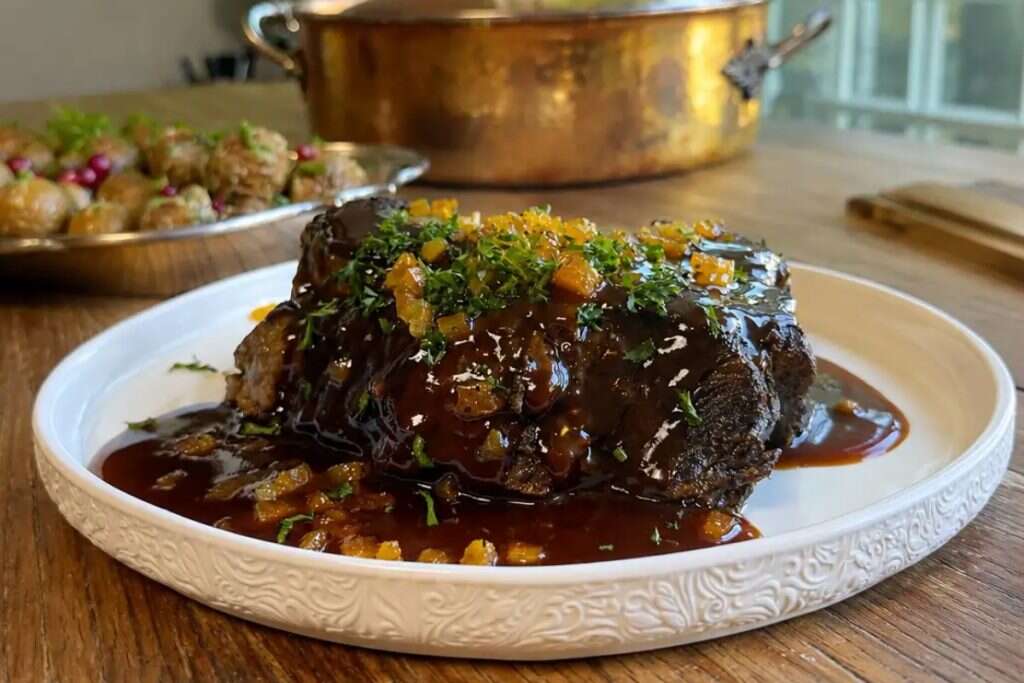
So what should one eat at the pre-fast meal?
The goal is to reach the first hours of the fast feeling full and at ease, not heavy and thirsty – and that comes down to composition rather than quantity.
"A simple way to build a good pre-fast meal is to start by choosing the main dish," Meisler says, "and then build the rest of the plate around it. If we choose a fattier protein source, like fatty meat or salmon, we have already gotten quite a bit of fat from the dish itself. In that case there is no need to pile on fatty sides as well as a large portion of carbohydrates. You can give more room to vegetables, keep the carbohydrate side smaller, up to about a quarter of the plate, and finish with a piece of fruit or two."
On the other hand, if we choose a leaner protein, like chicken breast, turkey or a lean fish, we can round it out with a whole carbohydrate and a quality fat. The idea is simple. Not every component of the meal needs to be equally "heavy." A balanced pre-fast meal does not have to be small; it simply should not be "everything with everything."
Alongside the food, it is also important to enter the fast well hydrated, drinking throughout the day rather than scrambling to catch up at the last minute. For those who struggle with drinking plain water, it helps to vary it with lightly flavored water, such as aloe vera or iced tea, while paying attention to sugar and caffeine content.
Traditional kitchens follow the same principle. Moroccan Jews serve chicken alongside couscous or soup, Persian Jews serve meat and rice, and in the Ashkenazi kitchen there is chicken soup alongside potatoes or rice and vegetables.
The kitchens differ, but the principle is similar: a complex carbohydrate to provide energy at the start of the fast, protein and a bit of fat for longer-lasting fullness, and vegetables, all without piling on salt, spice, or heavy foods that can increase thirst and discomfort.
How to break the fast
After roughly 25 hours without food or water, instinct tells us we need to get energy back into the body, and fast. That may be one reason why in many traditions, breaking the fast begins with something sweet.
Among Eastern European Jews this is a cup of sweet tea and cake, among Persian Jews it is grated apple with rose water, tea and a soft-boiled egg, in Iraq it is a sweet almond drink and a date cookie, and in Morocco it continues with harira (a Moroccan soup of tomatoes, lentils or chickpeas, sometimes with meat).
The instinct to ease in gradually, rather than jumping straight from a 25-hour fast into a full meal, is sound. But the "sweet with sweet" approach is not necessarily one worth adopting.
The body doesn't really need a "sugar rush"
In a healthy person, blood sugar does not simply "run out" during a fast. Throughout those hours, the liver keeps supplying glucose to the brain and tissues. So there is no physiological need to end the fast with tea loaded with sugar, cake, juice and cookies.
Meisler stresses, "A large amount of simple carbohydrates all at once can cause a rapid spike in glucose and insulin, and in some people that can later lead to fatigue, cravings for more sweets and hunger returning earlier than expected. Trying to 'get energy back fast' can actually create less stability and more hunger."
What is worth adopting from tradition?
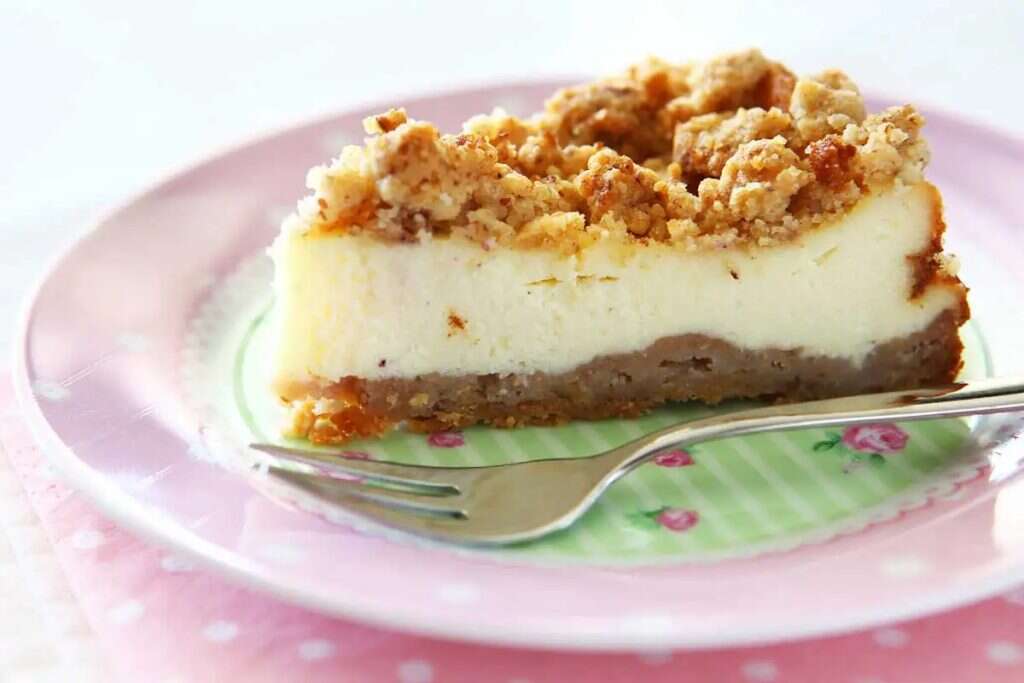
The gradual approach. After a dry fast, it helps to start with fluids first, water, tea or another drink that is not loaded with sugar. Alongside the drink, you can eat something small that provides carbohydrates, ideally paired with a bit of protein or fat. For example, a slice of bread with cottage cheese, fruit with a few nuts, a soup with legumes (harira again), or even a slice of cheesecake.
Another option, after drinking water, is a balanced shake containing carbohydrates, protein and fiber. That way you get both fluids and nourishing nutrients in something relatively easy to consume after the fast, and in better balance than "sweet with sweet."
You don't have to give up tea and cake
And if grandmother's tea and cake are part of the tradition, there is no need to give them up. You can keep the tradition and the familiar taste, just in a slightly more moderate dose, less sweet tea, one slice of cake and water on the side, and then give the body a moment before moving on to a full meal. The goal is not to replace the tradition but to adapt it to what we know today about the body.