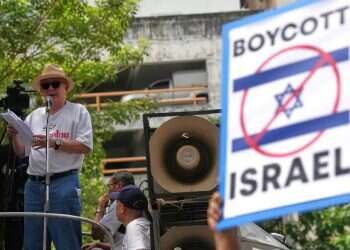
Free Palestine. Those were the words Elias Rodriguez chanted moments after he murdered Sarah Milgrim and Yaron Lischinsky outside the Capital Jewish Museum. Within hours, pro-Palestinian accounts across social media were celebrating the murder of two Jews and glorifying Rodriguez for what he had done.
We hear "Free Palestine" everywhere. Part of what makes the slogan so powerful is its simplicity. On its surface, it sounds like an uncomplicated call for Palestinian liberation. And who, after all, opposes freedom for an entire people?
The slogan is intentionally deceptive, and its simplicity also allows it to mean very different things to different people, while rarely requiring anyone chanting it to explain what exactly a "free Palestine" would look like. This is the center of the internet controversy surrounding the Macklemore, Ed Sheeran and Robert Kraft fiasco.
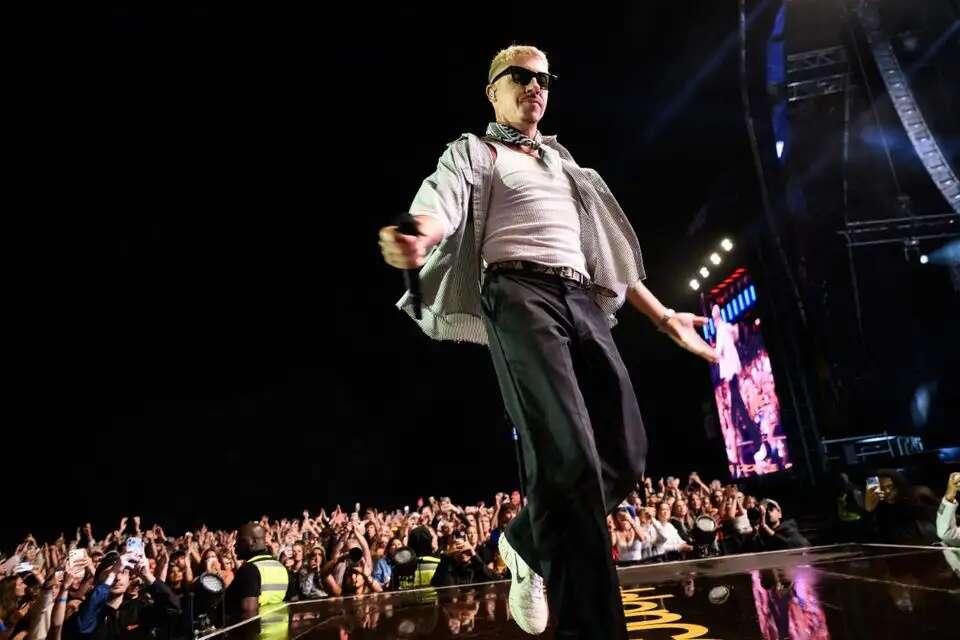
On September 4, while opening for Ed Sheeran at MetLife Stadium, American rapper Macklemore, who has become a prominent advocate for the Palestinian cause, declared "Free Palestine" from the stage and encouraged some 80,000 concertgoers to chant along. He then addressed his "Jewish brothers and sisters" while accusing Israel of apartheid and genocide. This is also the same Macklemore who faced accusations of antisemitism in 2014 after appearing onstage wearing a large prosthetic nose, dark wig, fake beard and black suit, a costume critics said resembled an antisemitic caricature. Macklemore denied that interpretation and apologized for causing offense.
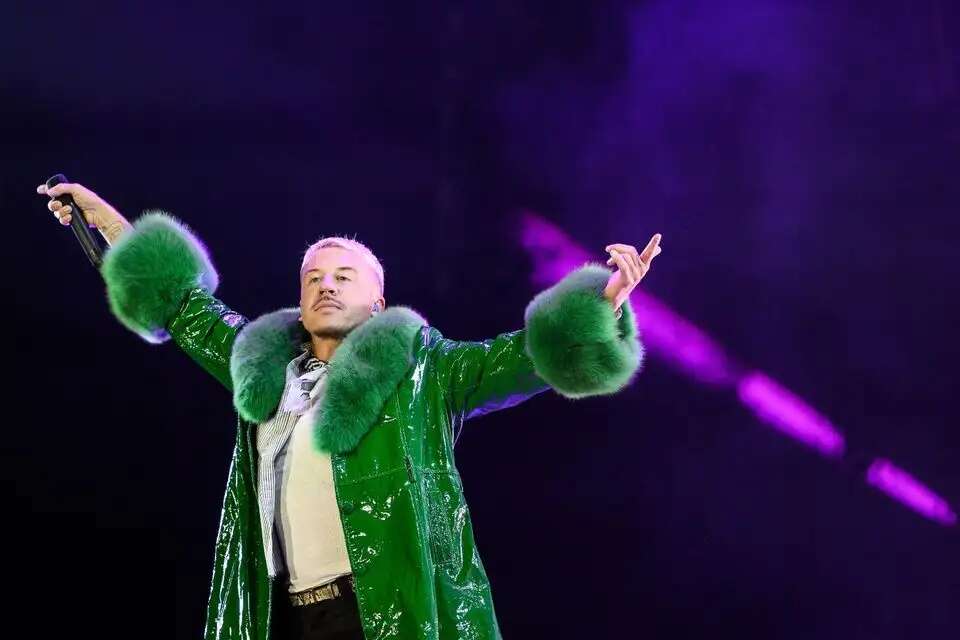
The backlash to his latest performance was immediate. After repeating his remarks the following day, Macklemore announced on Instagram that he had been removed from Sheeran's tour and blamed Jewish billionaire Robert Kraft for helping pressure venues to keep him off the remaining dates.
Now, the internet and the same handful of anti-Israel activists are attacking Ed Sheeran and Robert Kraft over censorship, and Ed Sheeran's opening acts have dropped out in solidarity with Macklemore.
For people less familiar with the politics surrounding the slogan, the controversy may seem genuinely confusing. Why should an artist face consequences simply for saying "Free Palestine"? Artists have always used their platforms for political advocacy, and calling for Palestinian freedom sounds, on its face, like an entirely legitimate position.
But that is precisely why we need to ask the question the slogan so often avoids: What does "Free Palestine" actually mean?
Does it mean two states for two peoples? Ending Israel's military presence in the West Bank? Building Palestinian institutions capable of providing Palestinians with security, prosperity and dignity? Does it include freeing Palestinians from Hamas, which has spent years embedding its military infrastructure throughout Gaza?

Or does "Free Palestine" mean a Palestine "from the river to the sea," in which Israel no longer exists as a Jewish state? Those are radically different political objectives, yet three words allow all of them to exist under the same banner.
And there is another reason many Jews hear the slogan differently from those who believe they are simply advocating Palestinian liberation: "Free Palestine" has repeatedly appeared in contexts that have nothing to do with advocating Palestinian statehood.
Why is it directed at American Jews who have no connection to the Israeli government? Why is it posted underneath the social media accounts of Jewish celebrities and institutions simply because they are Jewish? And why has it repeatedly surfaced during acts of violence against Jews?
Elias Rodriguez shouted it after murdering two Israeli Embassy employees in Washington. In Boulder, Colorado, Mohammed Sabry Soliman shouted "Free Palestine" during an attack in which he threw Molotov cocktails at people gathering in support of Israeli hostages, fatally injuring 82-year-old Karen Diamond. Vincent Sumpter allegedly shouted it before stabbing a Jewish man near Chabad headquarters in Brooklyn. Mufid Fawaz Alkhader shouted it after arriving outside an Albany synagogue with a shotgun and firing two rounds into the air.
None of this means that every person who says "Free Palestine" supports violence against Jews. Many undoubtedly believe they are expressing a sincere desire for Palestinians to live freely and with dignity. Putting aside his antisemitic caricature controversy, artists like Macklemore may genuinely believe that too. But that doesn't take away the responsibility for understanding the words you encourage a stadium of 80,000 people to repeat.I highly doubt this American rapper could list any policy changes that would help achieve liberation for Palestinians. Instead, it is much easier to regurgitate buzzwords that don't invite follow-up questions.
Macklemore has every right to use his platform to express his political views. That does not mean Jewish concertgoers should have to subject themselves to hearing a phrase that has also been chanted by people while carrying out violence against Jews. And it does not mean Jewish stadium owners have to tolerate it in the name of artistic freedom.