The news we received that the terrorists involved in abducting the crew of Tank #3 had been eliminated hit me like a punch in the gut.
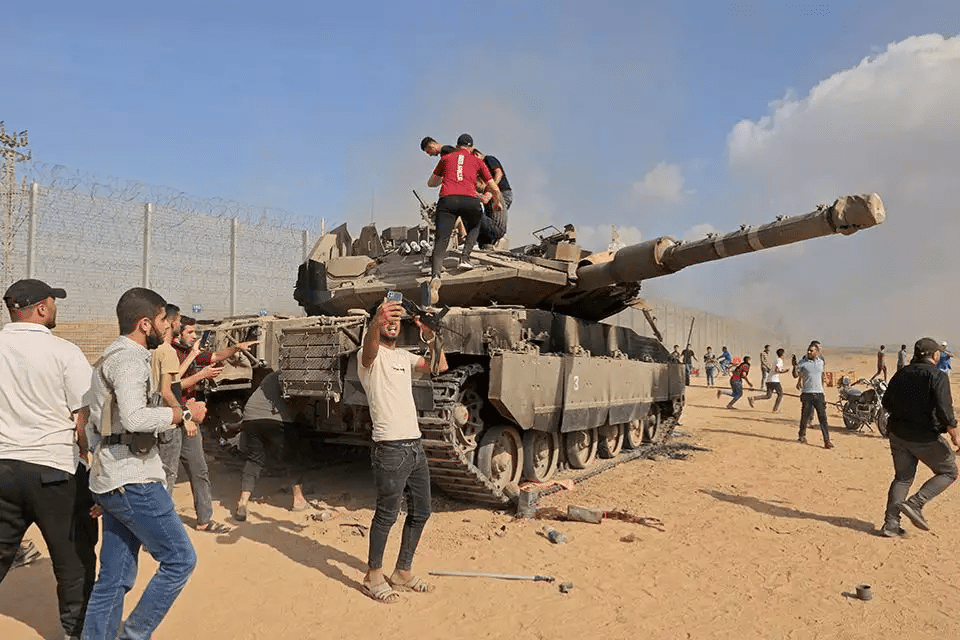
For nearly three years, I have known that Omer was taken from his tank. I saw the video. I knew they were Hamas terrorists. But I never thought of them as individual people. They were simply "the terrorists" — part of that faceless mass that swept into the communities along the Gaza border on the morning of October 7.
And then suddenly there was a very specific description: the terrorist in the black cap, standing on the tank, pulling Omer out. That image has been playing in a loop in my head for the past day.
Suddenly, "the terrorist" had a face. There was an actual person in this world who stood on my son's tank and pulled him out of it. And now this person is dead.
I am not accustomed to thinking or speaking in these terms, but I have no hesitation in saying this: he deserved to die. There is justice in that. There is some comfort in it. And there is a sense of closure I did not even know I was waiting for.
We are approaching three years since Omer was taken from us. One circle, perhaps, has closed. Others, I now understand, probably never will.
Since Nimrod Cohen returned from captivity, we have learned much more about what Omer and his crew went through that morning of Simchat Torah. But there are still so many questions we cannot answer.
How was the border breached? How did so many systems fail? How did Omer and his friends find themselves almost alone against waves of terrorists?
Young men in their early twenties were forced to pay with their lives for the failure of an entire system.
I am not interested in arguing about who bears more blame. There were grave failures in the military, the security establishment and the political leadership. Responsibility certainly does not rest on the shoulders of one person alone. All of it needs to be examined.
But there is one question I cannot shake: What does it mean to take responsibility in Israel today?
Since October 7, we hear the same words over and over again: May we be worthy. Worthy of the fallen. Worthy of their courage. Worthy of their sacrifice.
Those words are hollow without a demand for accountability.
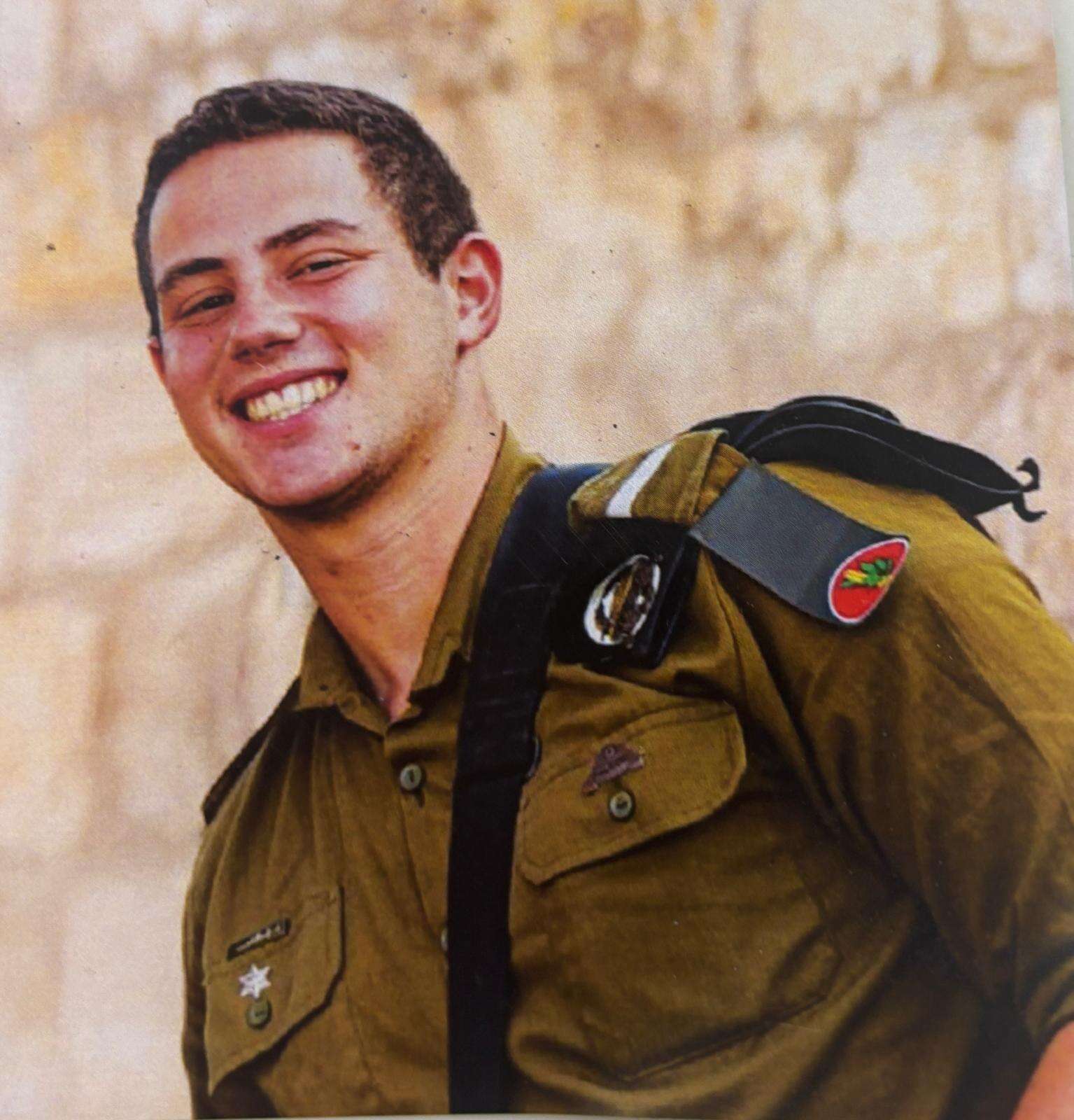
Omer was only 21, but he understood responsibility very well. He chose to leave the United States and enlist in the IDF as a lone soldier. He chose the Armored Corps, went to officers' training, became a commander and chose to remain on the front lines. He was always the first to examine himself, to ask what he could have done better, to take responsibility for his own performance and for the soldiers under his command.
And on that morning of Simchat Torah, when the system above him collapsed, he did not have the luxury of debating who was responsible for the intelligence failure or the assumptions that had led Israel to that moment.
There were people behind him. He was the commander. So he fought.
Even when he understood that his chances of making it out alive were disappearing. Nimrod told us he could see on Omer's face that he understood. And still, Omer continued to command his crew and went out to fight. Nimrod said he will never forget the look on his face.
That is the standard we demand of our children. What standard do we demand of their leaders?
I know what Omer would say to me now: "Mom, leave politics out of it. I'm a soldier. I did what I was supposed to do. The unity of the people of Israel is more important than anything."
I hear him. And precisely because I do, I want, for a moment, to take this question out of the familiar divide between right and left.
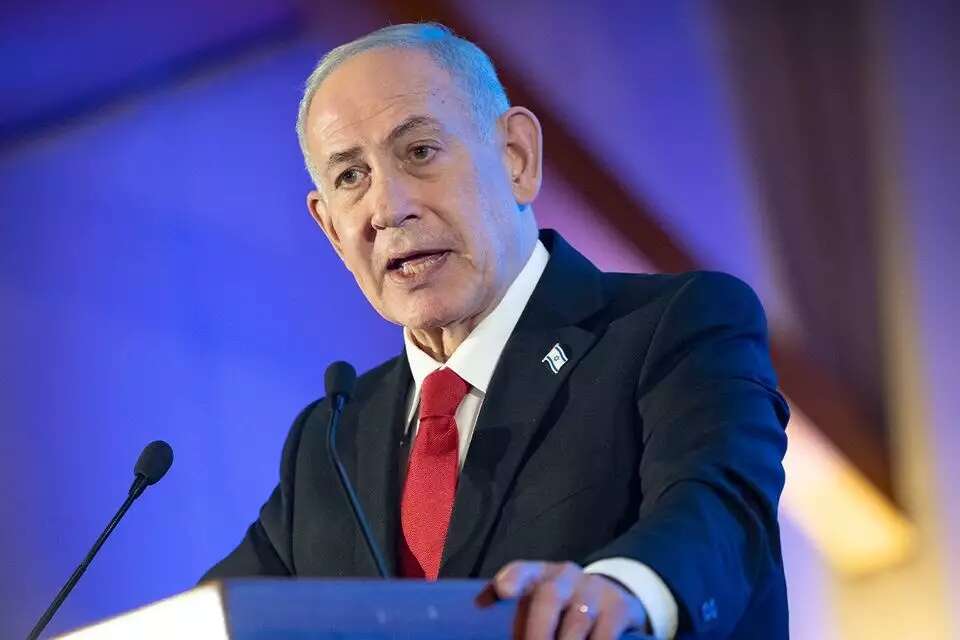
You can love Benjamin Netanyahu. You can appreciate things he has done for the State of Israel. You can also believe that the military and security establishment bear enormous responsibility for October 7.
And still, one simple question remains: If a commander is responsible for what happens in the unit under his command, and the IDF chief of staff is responsible for the military he leads, what does responsibility mean for a prime minister and the country he leads?
Not sole blame. Responsibility. Netanyahu did not breach the border fence. He was not the intelligence officer or the commander of the sector. Many people failed, and the actions of all of them need to be examined.
But he was the prime minister of Israel. And as Israel enters an election season, this is where I get stuck.
I cannot understand how we can even contemplate the possibility of his continuing to lead Israel when, nearly three years after October 7, his own responsibility for the catastrophe has still not been examined through a full and independent investigation.
I do not say this as someone on the right or the left. I say it as the mother of a soldier from whom his country demanded absolute responsibility.
Omer paid with his life. That is why I find it unbearable to hear "may we be worthy" again and again while watching responsibility itself become just another political issue — something judged according to which political camp you belong to.
Nor can I accept the answer I so often hear: "But who would replace him? There is no one else."
That, at least, is part of the problem. We say we want a new generation of leaders to emerge — young, principled people who see leadership as service. But what example are we setting for them?
Leadership is not only about knowing how to lead in times of success. Above all, it is about being able to say after a terrible failure: I was in charge. I was not the only one responsible, but the responsibility of others does not erase my own.
Omer and his friends did their part. When everything around them collapsed, they took responsibility and fought. If you are in command, you are responsible. Period. If we truly want to be worthy, that is where we have to begin.
The writer is the mother of fallen and abducted IDF officer Capt. Omer Neutra, who was returned to Israel for burial in November 2025.