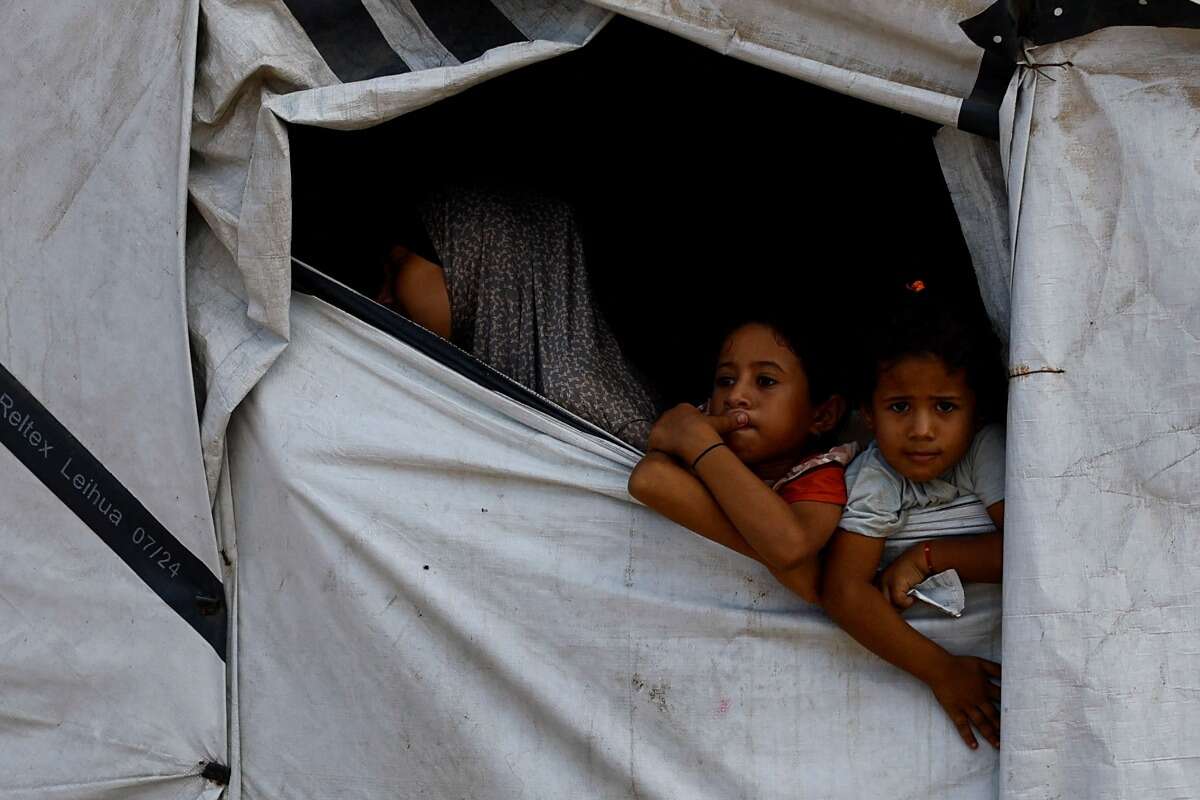
UNFPA-linked reports cited by the BBC point to a sharp surge in reported violence against Gaza's women and girls, marked by a spike in early and forced marriages. One study found that war conditions have "created conditions in which women and girls face escalating risks of gender-based violence", citing a "severe escalation" in child marriage this year's second quarter.
Interviews with 230 displaced women reveal grim patterns and harrowing accounts of abuse, including rape victims who often wed their attackers to avoid shame. "When rape cases are discovered in schools, you find weddings and celebrations at the school the next day," said one woman.
Another described how, during the war, "a man married off his 14-year-old daughter in exchange for two bags of flour so he and his [other] children could eat", a bartering pattern six women reported across different camps.
UNFPA figures show reported cases of early and forced marriage, involving girls aged 12 to 17, rose 123% from the first to second quarter, though exact numbers remain hard to confirm. "The trends are shocking," UNFPA's representative to Palestine, Nestor Owomuhangi, said, attributing the collapse to war years in which "everything is eroded... there is no system."
Displacement, poverty and shuttered schools have deepened risks, especially for war orphans who are among the most vulnerable, per UNFPA's late 2025 to 2026 research.
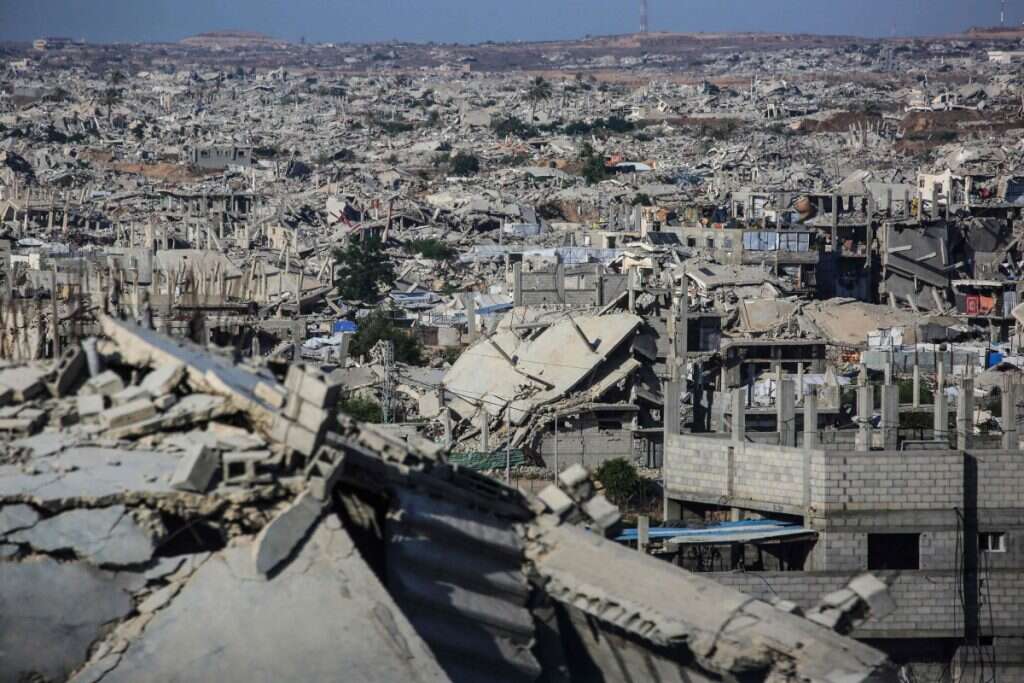
One woman described attending the wedding of two relatives, aged 14 and 15. "Their uncles married them off very young. Do you know why? Because their father and mother were martyred, and their uncles wanted to get rid of the responsibility and expenses," she said, adding, "by God, they don't understand what marriage or life is."
The Women's Affairs Center in Gaza and partner groups report married adolescents facing higher pregnancy risks.
"We see adolescent pregnancies going through the roof because of child marriage," Owomuhangi said. "A child who is at an age when the body is not fully developed to sustain another body, who is hungry, in unhygienic circumstances, who doesn't know how to take care of the infant, who doesn't even know how to take care of herself, the consequences of that pregnancy are always really, really bad."
Gaza law may approve marriage from age 14 years and seven months, after wartime closures of Islamic courts stripped "legal safeguards", a Sharia expert told the BBC.
Zuhair, 25, told the BBC his uncles pushed him to marry his 16-year-old relative after her father, her only guardian, died in an air strike. "One of the reasons that led me to marry her was that there was no one to take care of her. That's the first point," he said. "If it were not for the war, she would still be a young girl spoiled by her father. She would be going to school," Zuhair added. "She still has a child's mindset, not a mature mindset. She misses school, her family, friends. She even misses simply sitting at home."
A second teenage bride, now pregnant, will not return to school. "She needs to care for her child," her father-in-law said, "her education would be in vain."
Sexual violence reports, though underreported, "have become critical in Gaza", rising 61% to 2.7% of gender-based violence cases from April through June, per the latest UNFPA-led analysis.
Female-headed households have doubled since the war, and one widow recalls a predatory offer. "One widow was looking for a tent, and a [camp] representative told her, "I'll give you a tent, we'll put you in our camp, and you can come stay with me tonight."
Aid groups seek more shelter and sanitation supplies as broader plans target education, healthcare and anti-violence efforts, with women still hoping for safety ahead.