The BBC is facing renewed criticism after reporting the deaths of 53 "journalists" in the Gaza Strip who, according to reports, photographs and other evidence, had links to terrorist organizations including Hamas. Some participated in the Oct. 7 massacre, while others were described as "martyrs" by the terrorist organizations themselves.
Most of the reports identifying the individuals as journalists appeared on BBC Arabic. According to a report published Saturday by the Telegraph, 10 of the 53 were also described as journalists on the English-language BBC News website, while the remaining 43 were identified as journalists only by BBC Arabic.
The BBC said it was now reviewing the inclusion of the individuals in its coverage.
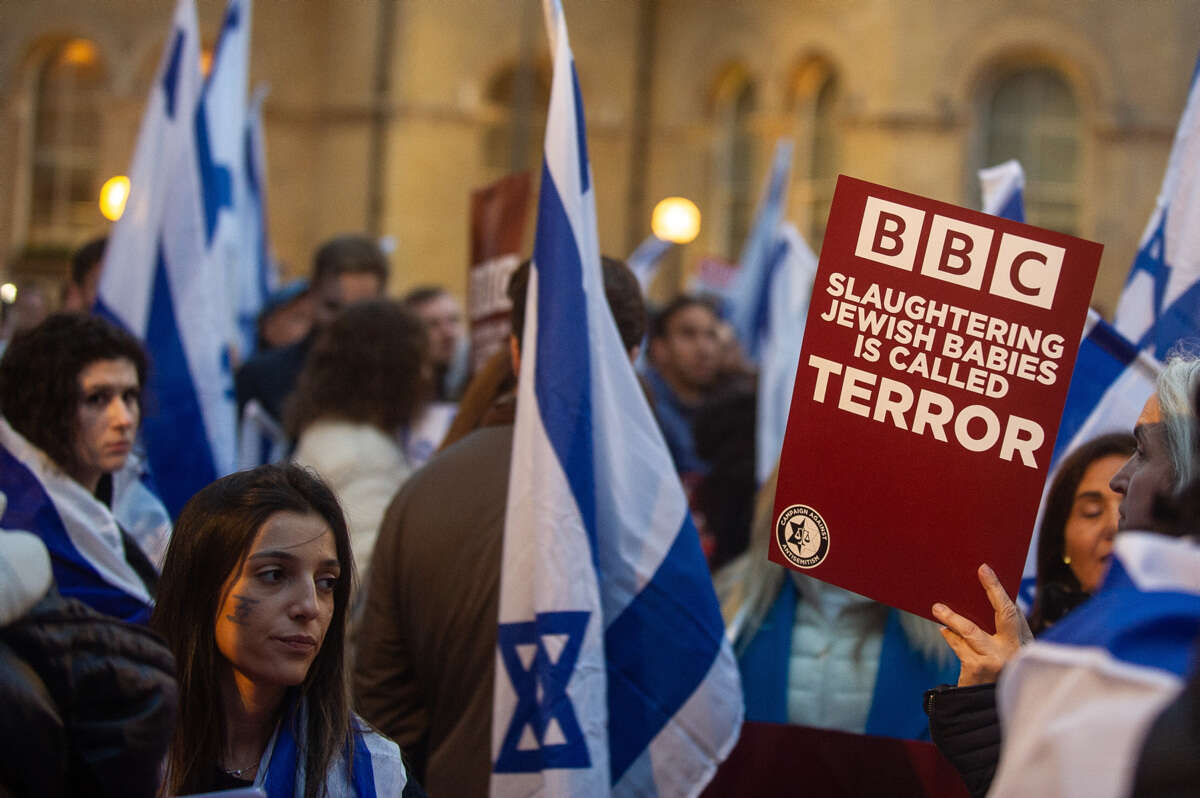
According to the report, many of those described as journalists were pictured on social media wearing combat fatigues and carrying weapons. In some cases, they were also seen wearing headbands associated with terrorist organizations.
Of the 53 names, 12 were removed from the list of journalists killed maintained by the Committee to Protect Journalists, a US-based organization that advocates for journalists working in conflict zones. CPJ determined that the individuals either did not qualify as "journalists or media workers" or had participated in combat.
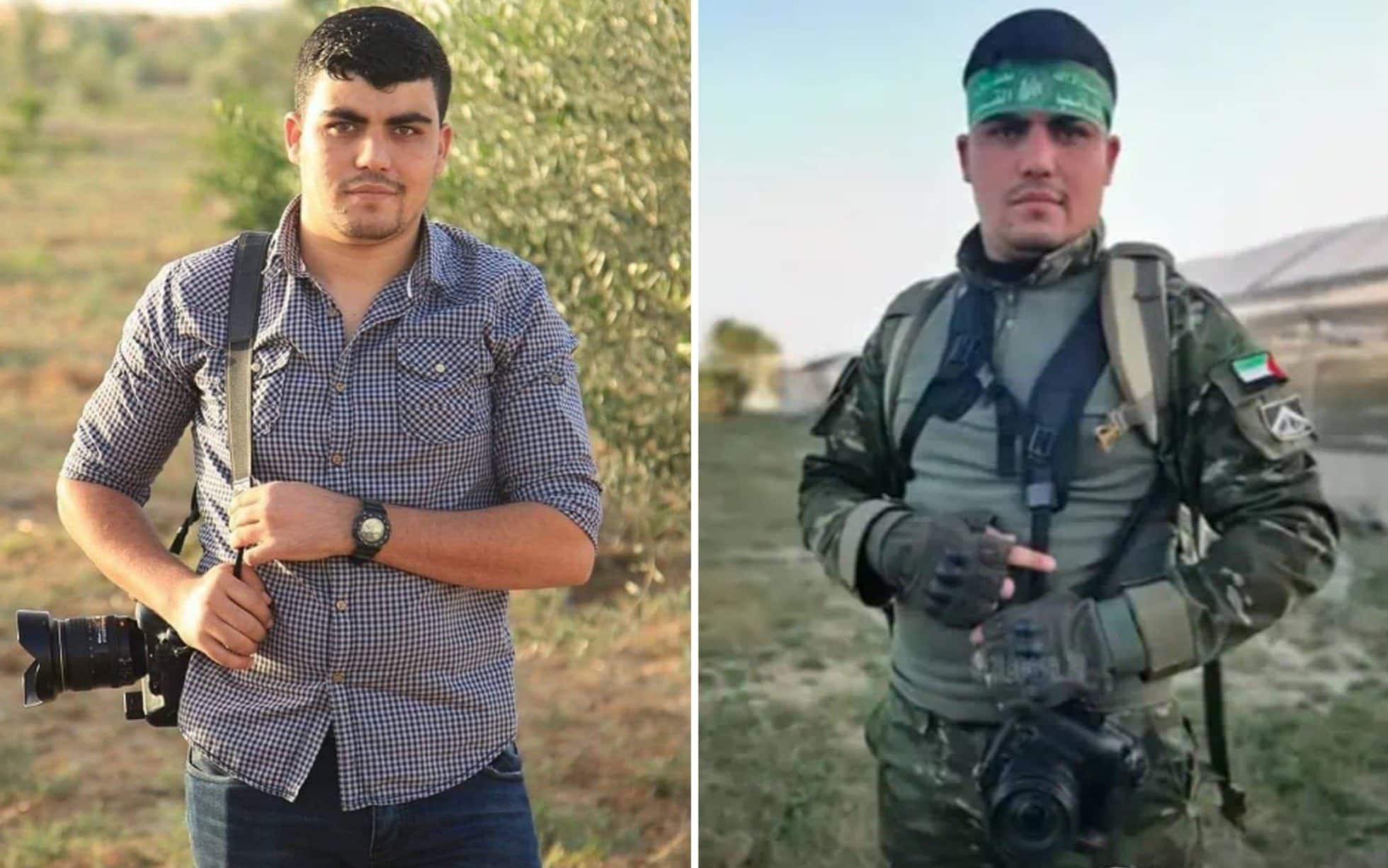
One was Abdullah Darwish, whom BBC Arabic described as a cameraman for Hamas' Al-Aqsa TV. He was removed from CPJ's list after evidence emerged that he had participated in the Oct. 7 attack as a member of Hamas' Izz ad-Din al-Qassam Brigades. He was photographed wearing the green headband associated with the organization. Darwish was killed in a targeted airstrike in December 2023.
Another was Yacoup al-Borsh, whom BBC Arabic described as the executive director of Namaa Radio. He was removed from CPJ's list after being identified as a member of Hamas' Izz ad-Din al-Qassam Brigades, which featured him on its page commemorating its "martyrs."
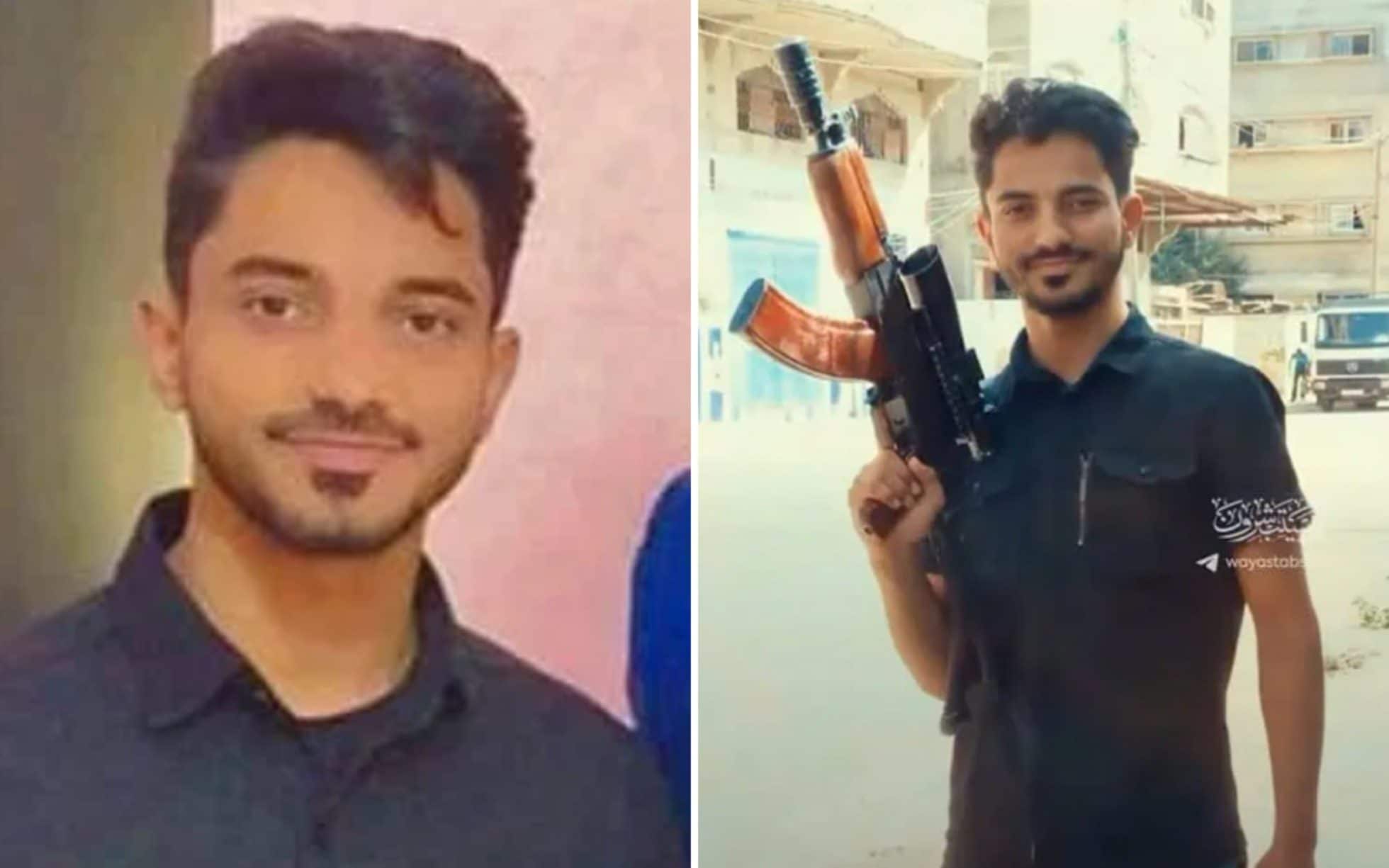
Rizq Abu Shakian, whom the BBC described as a journalist with Palestine Now, appeared in an online video wearing a Hamas uniform and carrying an automatic rifle.
Another 20 of the 53 were described by the BBC as journalists even though, according to the Telegraph report, terrorist organizations published death notices commemorating them.
They included Mohamed al-Zaq, whose death was commemorated by Palestinian Islamic Jihad; Mostafa Bakeer, whom Hamas described as a field commander in its Rafah Brigade; Abdallah Iyad Breis, whom Hamas described as a "knight" in its Khan Younis Brigade; and Ahmed Abu Skheil, whom Palestinian Islamic Jihad described as a "martyr."
The remaining 21 people commemorated by the BBC as "journalists" appear in online material armed and wearing combat fatigues, according to the Telegraph. Among them, Ahmed Samir Mohamed Washah was filmed training with a grenade launcher, while Amer Abu Ouda was presented as a hero of the Izz ad-Din al-Qassam Brigades.
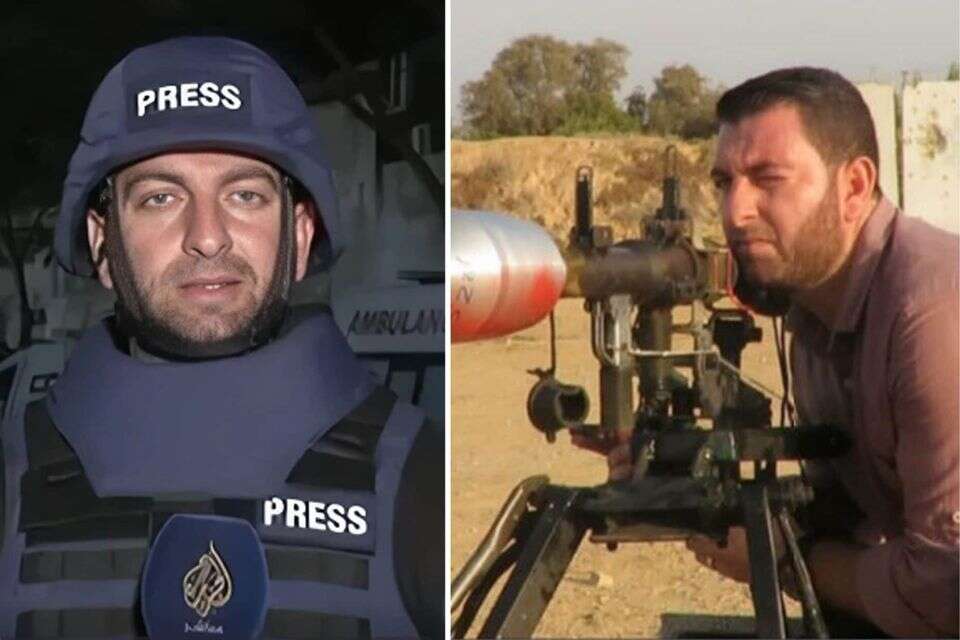
The report comes against the backdrop of previous criticism of BBC Arabic. Last year, the service was accused of "spreading Hamas' lies around the world" after an internal memo said BBC Arabic had chosen to "minimize Israeli suffering" during the Gaza war in order to "portray Israel as the aggressor."
It was also alleged that the service had provided a platform to commentators who had made extreme antisemitic statements, given undue weight to Hamas statements and presented the terrorist organization's claims about the Gaza death toll, figures critics alleged had been inflated for propaganda purposes.
BBC Two aired a documentary last year titled "Gaza: How to Survive a Warzone." The BBC subsequently acknowledged that the documentary had been narrated by the son of a senior official in the Hamas-run Gaza administration. British broadcasting regulator Ofcom later ruled that the program had been "materially misleading" and ordered the BBC to broadcast a statement outlining its findings.
Conservative Shadow Culture Secretary Rebecca Paul said the latest revelations were "part of an ongoing problem of a lack of objectivity and accountability" at BBC Arabic. Danny Cohen, former director of BBC Television, said the corporation was still "failing in its duties of balance and accuracy" when it came to its coverage of Israel.
A BBC spokesperson said the list had most recently been updated in August 2025 and covered the deaths of journalists throughout the wars in Gaza, Lebanon and Israel, regardless of the political affiliation of the media outlets for which they worked.
The spokesperson said the article had been based on the information available at the time of publication. "In light of the CPJ update in June 2026, we are reviewing those included in the article," the BBC said.