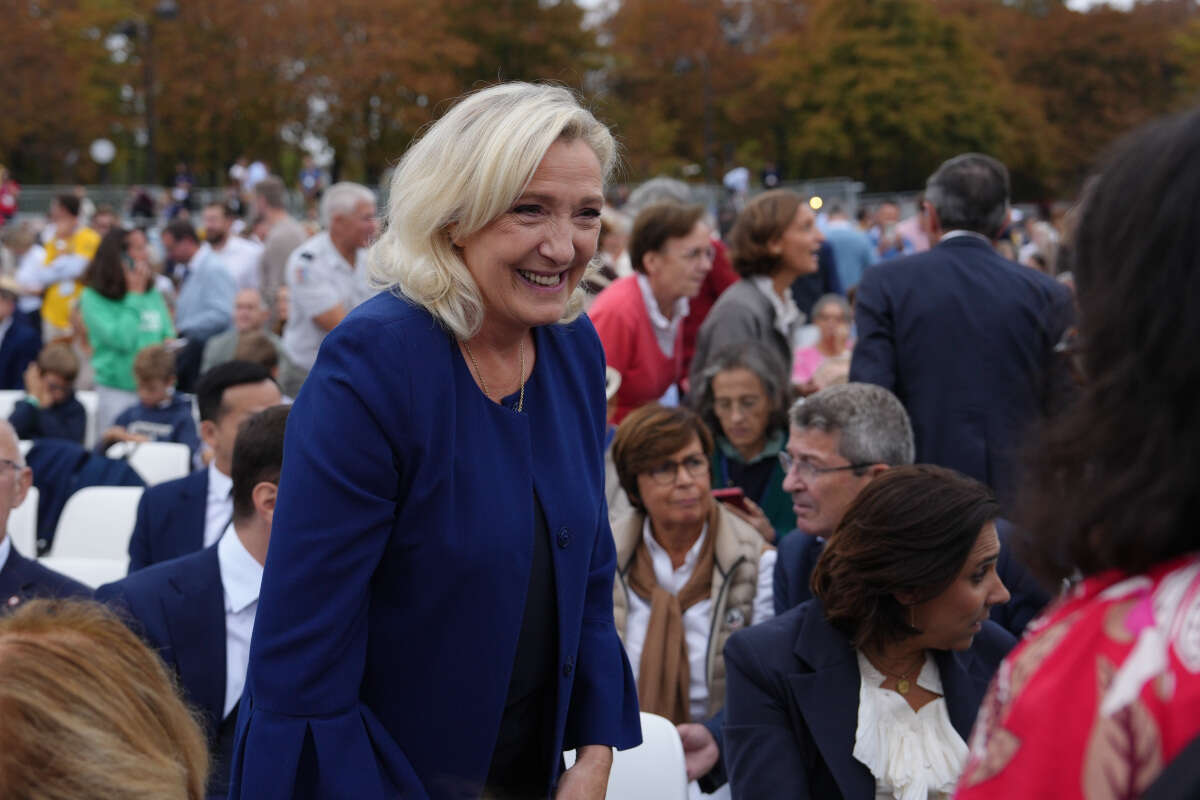
France's upper house of parliament saw a dramatic shift over the weekend as the far-right National Rally (RN) and its political allies claimed 14 seats, a fourfold increase from previous representation, in the 348-member Senate, as reported by the Guardian. The gains arrived just months ahead of a presidential contest that could reshape the nation's leadership.
RN presidential candidate Marine Le Pen described the outcome as an "historic victory" following Sunday's vote tally, and said that "the results have exceeded our expectations," she said.
Sunday's results marked a milestone for the nationalist party as it surpassed, for the first time, the 10-seat minimum required to establish a formal caucus within the Senate. Under France's electoral system, local officials cast ballots to fill half of the upper chamber's seats every three years, with each successful candidate serving a six-year term.
Two decades of gradual growth preceded this weekend's breakthrough, the Guardian noted. The nationalist movement, then operating under the National Front banner, first entered the Senate with a pair of seats back in 2014, before expanding to three seats in 2023.
Now positioned for what may be her strongest run yet at the presidency, Le Pen looks ahead to elections set to begin their first round next April, coinciding with centrist incumbent, President Emmanuel Macron's scheduled departure from office.
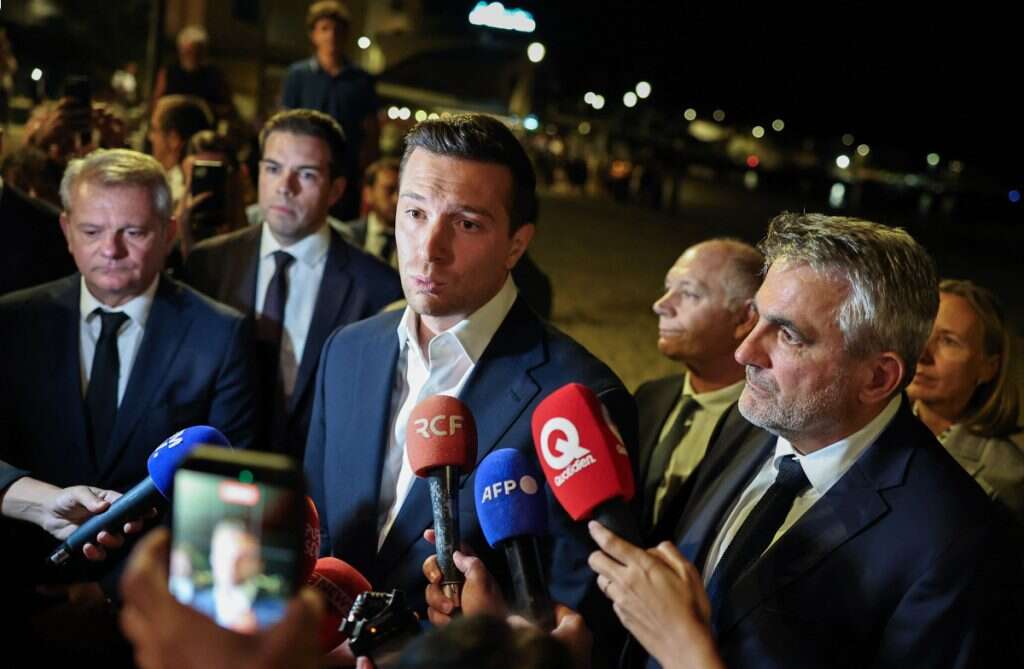
"This is a historic victory, and a major milestone with the formation for the first time of a group in the Senate," she wrote on X.
Nine seats went to RN candidates on Sunday, an AFP tally of results showed, adding to the three the party already held from the 2023 cycle. Two additional seats were won by candidates from the Union of the Right for the Republic (UDR), a party led by RN ally Eric Ciotti. Party president Jordan Bardella announced that RN's senators intend to establish a joint parliamentary group alongside their UDR counterparts.
Ciotti's departure from the rightwing Republicans (LR) party came in 2024, prompted by his public call for cooperation with far-right forces.
Gérard Larcher, who at 77 has led LR within the Senate for over 10 years, is anticipated to retain his presidency of the chamber in a vote expected next week.
Initial results suggested continuity at the top of French politics, the Guardian reported, with the right, center, and Socialist left expected to remain the chamber's three dominant blocs.
For the first time, the hard-left France Unbowed party claimed a Senate seat of its own.
Macron's decision to call snap elections in 2024 had already vaulted Le Pen's anti-immigration party into position as the largest single party within the lower-house National Assembly, though it stopped short of an outright majority.