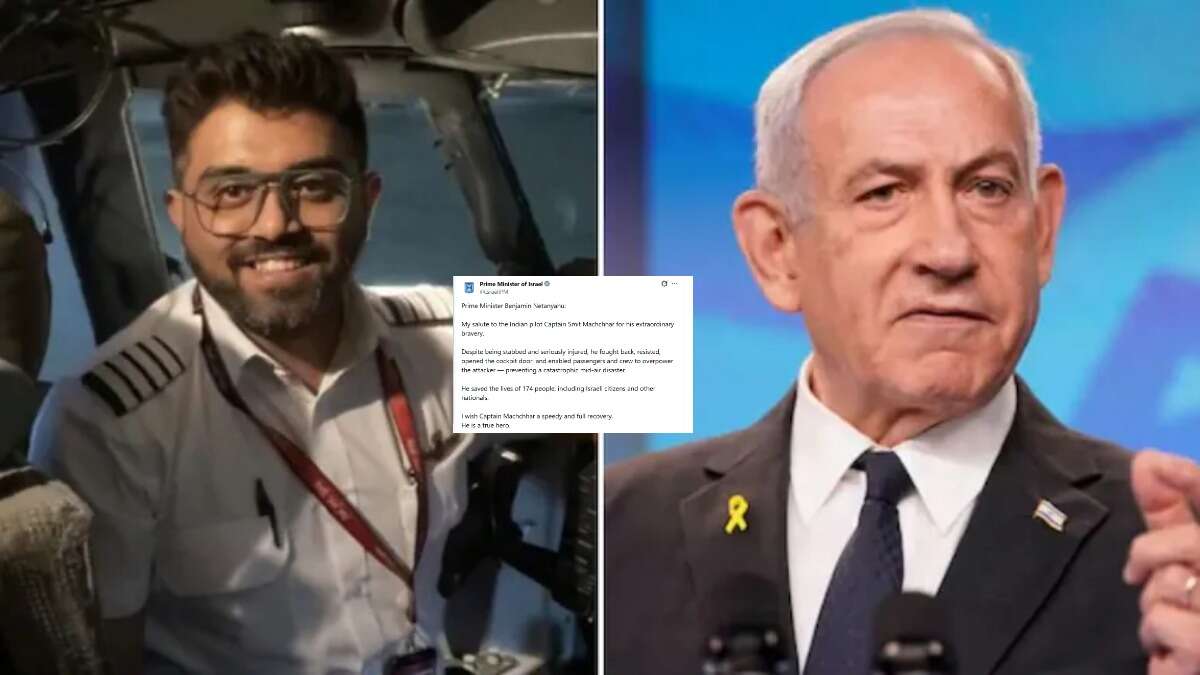
Captain Smit Machchhar was hailed by passengers on Wednesday after he successfully fought back against a rogue co-pilot who wanted to crash Flight 1073 from Dubai to Tel Aviv despite being injured by his colleague. "You saved the plane, you did well," they praised him after the flight was diverted to Saudi Arabia, with the passengers effectively taking hold of the cockpit with the help of the reserve pilots who happened to be on board.
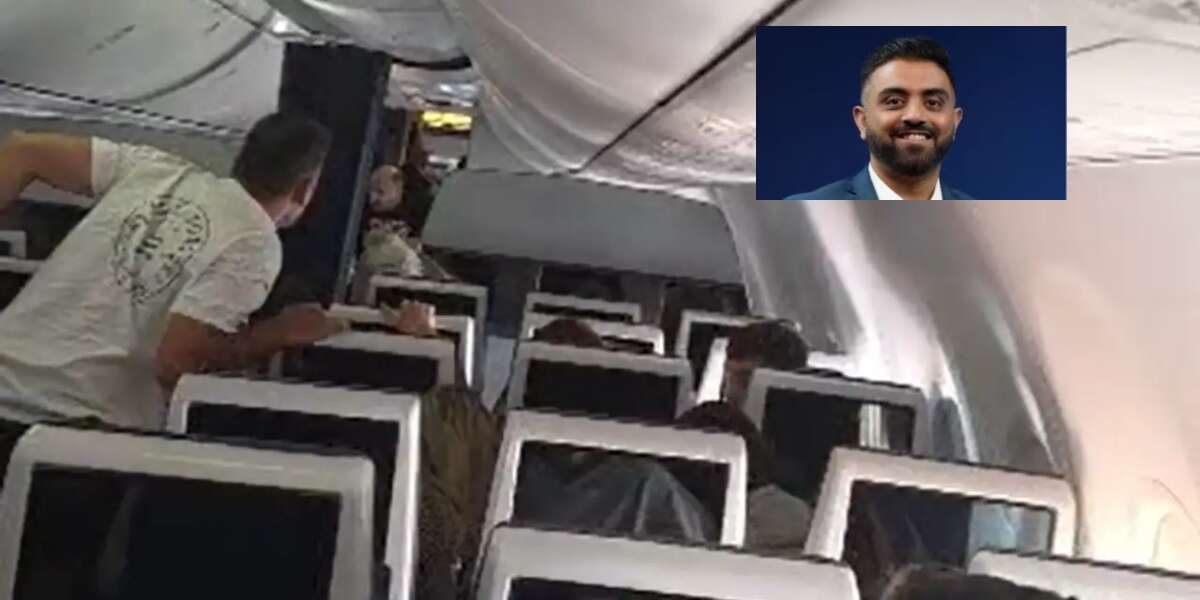
Prime Minister Benjamin Netanyahu also issued his own gratitude on X, writing: "My salute to the Indian pilot Captain Smit Machchhar for his extraordinary bravery. Despite being stabbed and seriously injured, he fought back, resisted, opened the cockpit door, and enabled passengers and crew to overpower the attacker – preventing a catastrophic mid-air disaster. He saved the lives of 174 people, including Israeli citizens and other nationals. I wish Captain Machchhar a speedy and full recovery. He is a true hero."
Several months ago, the pilot sat for an interview in which he reflected on his path to the flight deck, and noted that "First of all, unlike a lot of other aviators right now, aviation was not like a childhood dream,". Following parental encouragement to "Just figure out how and where you can do it," he trained in New Zealand.
Remarks he regarding the undervalued nature of aviation crew members, get another layer of importance in the wake of the close call in the flight. Although passengers often overlook their day-to-day service, their indispensable utility becomes clear during emergencies, he said they have a critical role. "When things are going wrong, you need them," Machchhar stated.
HERO PILOT, Captain Smit Machchar, stabbed mid-flight on flydubai FZ1073, reportedly FOUGHT OFF the co-pilot and helped save 174 people.
One year ago he talked about how people often don't treat the cabin crew properly.
"When things are going wrong, you need them."
WATCH: pic.twitter.com/S28KLeDsv4
— Yehuda Teitelbaum (@chalavyishmael) September 30, 2026
Crew members undergo specialized training to handle critical situations when medical professionals are unavailable on board, the pilot said. "When we are up there and if something happens, you know, who's gonna save you? You'll be lucky enough to have a doctor on board, but if not, then they are trained. I'm not saying they are trained to do, you know, surgeries and stuff, but then they can save your life, you know. So, it is unfortunate how the entire outlook of people is towards the crew. But when things are going wrong, you need them."