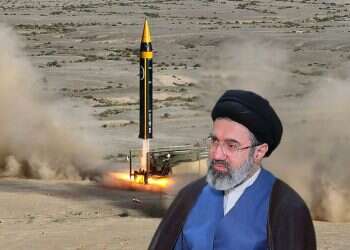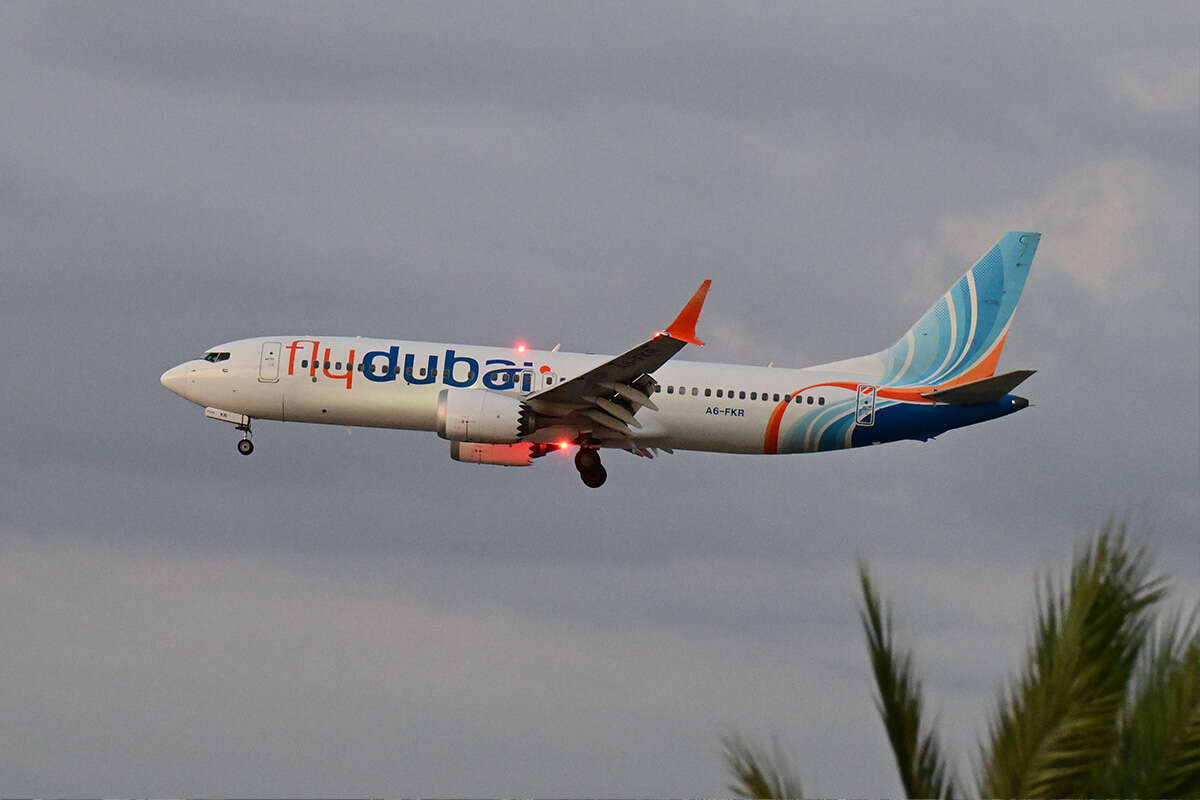
Although investigators are examining every possible explanation, including the possibility that the Omani pilot was mentally unstable, the prevailing working assumption among those involved in the flydubai investigation is that he was a terrorist who intended to crash the plane with its passengers on board.
Testimony from fellow pilots and flydubai crew members described him as a radical Islamist who refused to shake hands with women and frequently spoke in praise of Allah.
Israel Hayom has learned that this testimony is now reinforced by at least one preliminary intelligence report indicating that in recent years the suspected attacker had come under the influence of extremist preachers in his home country who promoted "istishhad," or suicide attacks carried out in the name of religion and its objectives.
Israel Hayom previously reported that Oman's senior religious authority, Grand Mufti Sheikh Ahmed bin Hamad al-Khalili, has repeatedly spoken out against Israel, expressed support for the Palestinian "resistance" following the Hamas-led Oct. 7, 2023, terrorist attack and called for forceful action against Israel.
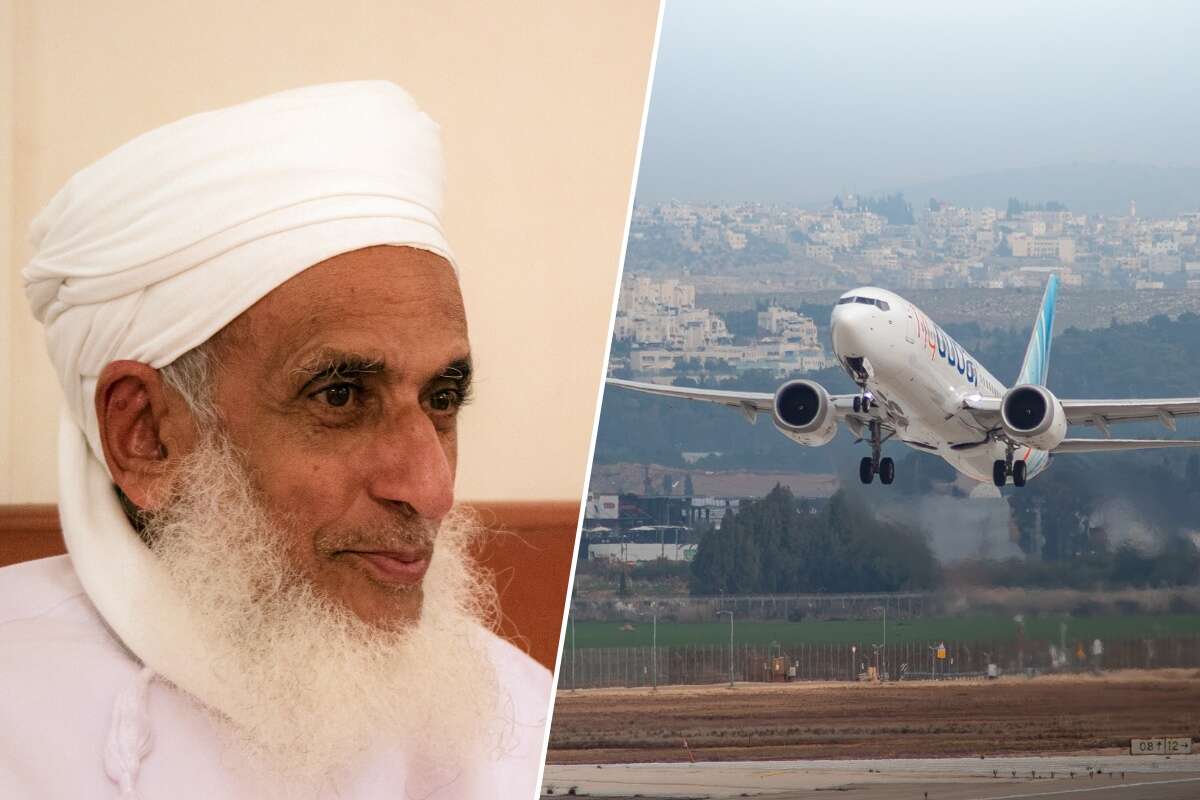
With terrorism considered the leading theory, investigators are now focusing on whether the incident was the work of a lone attacker or a premeditated operation organized by an Islamist terrorist group, or even by Iran's Islamic Revolutionary Guard Corps.
Under that scenario, the attacker would have been recruited specifically for the mission, joined flydubai nine months ago, established himself at the airline and gained the trust of colleagues before carrying out instructions from his handlers. Flydubai is one of the two Emirati airlines serving Israel.
An intelligence source said this possibility was considered more plausible than a lone-attacker scenario because of the extensive preparation that would have been required to carry out such an attack.
"A lone attacker generally exploits a chance opportunity and plans over the short term," the source said. "Here, if this account is correct, we are talking about meticulous and sophisticated planning that succeeded in identifying a security vulnerability."
Another issue under investigation is the pilot's intended crash site. One possibility is that he intended simply to bring down the aircraft somewhere in the Jordanian desert, toward which the plane was headed during the alleged hijacking attempt. Another is that he intended to strike a strategic target in an attack resembling the Sept. 11, 2001, attacks in the United States.
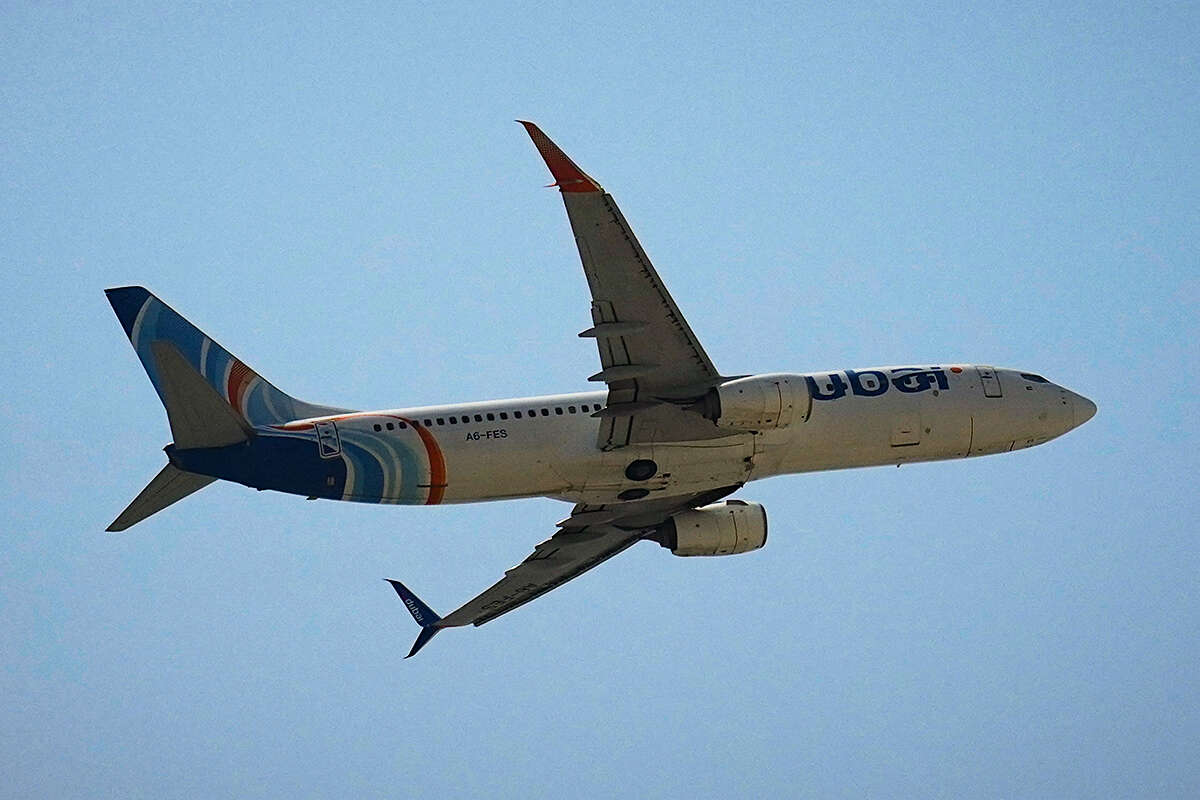
Possible targets being examined include a US air base located along the flight path or Israeli sites such as the nuclear facility near Dimona or an Israeli Air Force base. This remains a far-reaching hypothesis, however, and only the interrogation of the suspected terrorist pilot is likely to shed light on it.
Meanwhile, US President Donald Trump commented Thursday on the possibility that the flydubai pilot had links to Iran. Asked whether he had received a briefing indicating such a connection, Trump replied: "I would say the answer, based on what I'm hearing, is yes, but we're working on that right now."
Trump's remarks add to the investigation into whether the pilot acted alone or had ties to an outside party. The president stressed, however, that the issue remained under investigation and offered no further details about the intelligence underlying his comments.