
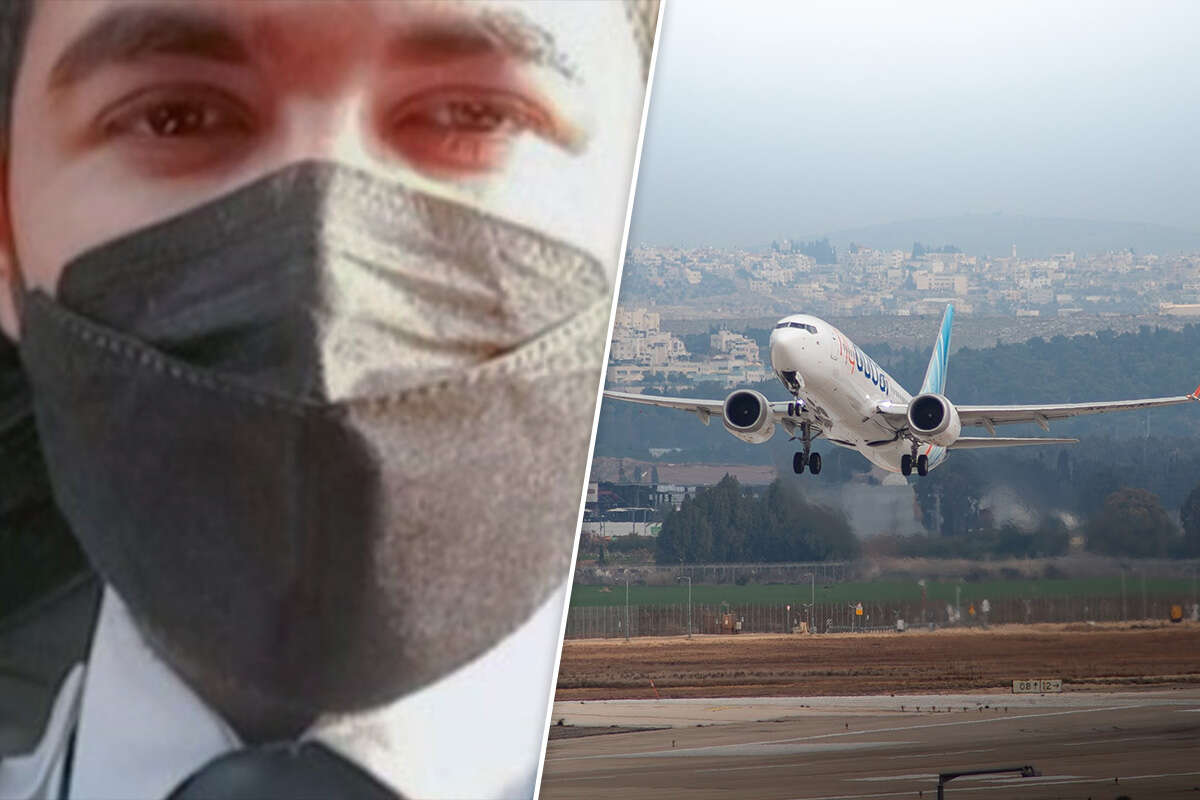
There is little reason, or justification, to downplay the scale of the failure surrounding the terrorist attack that nearly succeeded aboard a Flydubai flight bound for Israel. It was the resourcefulness of the passengers that saved the day, just as on Oct. 7. Then, it came after the catastrophe; on last week's flight, it prevented one.
That heroism naturally shifted attention away from the disaster that was averted. But details that emerged over the weekend about the co-pilot, Hamam al-Hammami, only underscore the scale of the failure. It turns out that he had been barred from continuing to fly for Oman Air because of the radicalization of his views and was transferred to an administrative position at the airline.
He then worked briefly for Morocco's national airline before being hired by Flydubai. All of these should have been warning signs. They were missed by his most recent employers, but also by Israeli intelligence, which maintains close ties with all three countries, Oman, Morocco and the United Arab Emirates.
Several hours after the attack was thwarted, posts appeared on al-Hammami's LinkedIn account showing an El Al aircraft and a photograph of Ayman al-Zawahiri, the former ideological leader of al-Qaida. The posts appear to have been scheduled to go live after the planned crash. The pilot's interrogation by Emirati authorities has also indicated that he intended to crash the aircraft in Israeli territory and that his plan was disrupted. It has yet to be established whether he was in contact with any individuals or organizations, despite claims that he had ties to Iran.
Al-Hammami's social media activity, and the radicalization he underwent, also escaped the notice of those who should have detected it. The Emiratis will undoubtedly draw their own lessons, but Israelis should be concerned that here, officials are busy celebrating rather than worrying, and that those responsible for the failure are, as usual, avoiding the answers demanded by the disturbing gaps that have now been exposed.
The agencies that missed the signs
That applies primarily to three bodies, and to the lines of responsibility connecting them. The first is the National Security Council, which was already instructed to address the issue in a 2024 State Comptroller report. The second is the Transportation Ministry, which, through the head of its security division, is responsible for the security of Israeli aviation and foreign airlines flying to Israel. The third comprises the Shin Bet security agency and the Mossad, along with those responsible for them, from the prime minister and the head of the National Security Council, through the transportation minister, to the heads of the Shin Bet and Mossad.
Since Wednesday, the various bodies, particularly the Transportation Ministry and the Shin Bet, have been trading accusations. Some have rushed to claim that they issued warnings while minimizing their own role. The growing list of questions demands answers that have yet to be provided: the intelligence failure regarding the pilot's background; the dozens of other pilots from countries that do not maintain relations with Israel, including countries other than Oman, who have landed in Israel in recent years; the lack of meaningful monitoring of passenger and crew lists received in Israel before flights; and failures to comply with various security directives, both by Israeli airlines and in relation to foreign flights arriving in Israel.
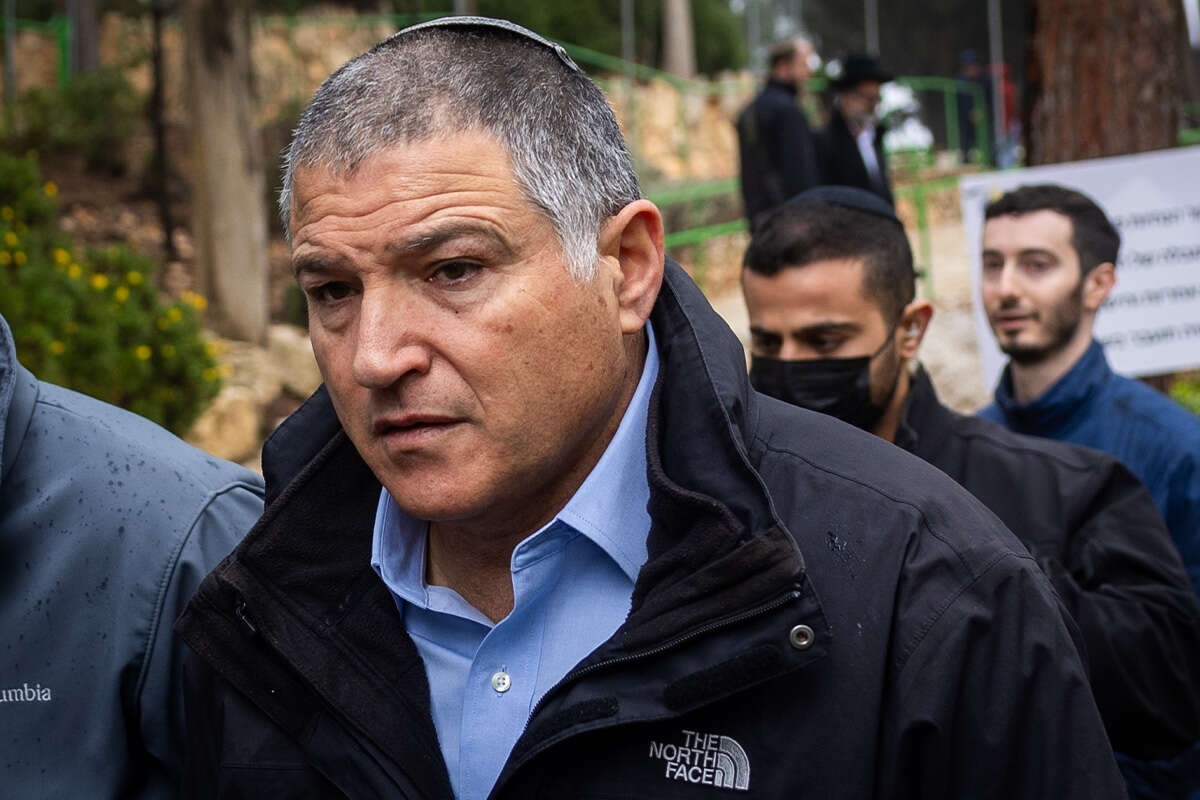
For reasons of aviation and passenger security, some of these issues cannot be detailed. Suffice it to say that the failure is glaring, and the problems run deeper than the organizations involved are willing to admit. There is little need to elaborate on the Transportation Ministry's poor performance. No less troubling is the performance of the Shin Bet, which serves as the professional authority responsible for aviation security, as well as maritime security and embassy security, and is also responsible for training the security personnel themselves.
The Shin Bet's security division has suffered from serious deficiencies for years, and they have not been addressed. One example is a revolving door between positions that prevents genuine oversight or scrutiny: The head of the Shin Bet division responsible for setting aviation security guidelines went on to become El Al's head of security. His predecessor as El Al's head of security moved on to become head of the security department in North America, which is responsible for inspecting and overseeing flights and diplomatic missions.
These are only examples, but they illustrate the dangerous blurring of lines between the regulated and the regulator, and between those being inspected and those doing the inspecting. There are other problems as well, including a severe shortage of security officers in aviation and at embassies, which has resulted in people being appointed to such positions despite lacking a combat background or other relevant professional experience.
All of this is well known to anyone involved in the field. As noted, there are additional issues. The Mossad also needs to ask itself some questions, as does the National Security Council. The incident should have led immediately to the establishment of a committee to investigate, draw lessons and ensure they are implemented.
It also should have compelled those responsible, certainly Prime Minister Benjamin Netanyahu, to face the public and explain what happened and, more importantly, how they intend to ensure it does not happen again. The greatest concern now is that copycats will attempt similar terrorist attacks.
The fact that this is not happening represents an abdication of responsibility that should concern every Israeli. The extraordinary chain of circumstances aboard the Flydubai flight, an alert passenger, the attacked pilot's quick thinking, the resourcefulness of the passengers who subdued the attacking co-pilot and helped regain control of the aircraft, and the presence of an additional crew able to land the plane, was fortuitous and unique. There is no reason to believe such a combination of circumstances would recur.
The Israeli Air Force has a concept known as a "near miss." It treats every accident that was narrowly avoided as though it had actually occurred, in order to draw lessons and prevent the next one.
That is how the disaster averted aboard the Flydubai flight should have been treated. Unfortunately, Netanyahu is preoccupied with photo ops and, true to form, avoiding responsibility. It is regrettable and alarming, but hardly surprising in a week when Israel marks three years since the Oct. 7, 2023, disaster, for which Netanyahu has likewise evaded a searching investigation and reckoning.