
With just one month to go before the US midterm elections, Democrats may now have a shot at capturing not only the House of Representatives, as appeared likely over the summer, but the Senate as well.
A brief recap: All 435 House seats and 35 of the Senate's 100 seats will be contested on Nov. 3. Democrats need a net gain of three seats to take control of the House and four to erase the Republicans' 53-47 advantage in the Senate. The trend in the House is relatively clear: 15 of the 22 races rated Toss Up by The Cook Political Report are in Republican-held districts, and Democrats are considered favorites to win the majority.
The Senate is the more dramatic story. Cook now rates the battle for control as a true toss-up, after the cost of living, gasoline prices and the war in Iran eroded support for US President Donald Trump and expanded the electoral battlefield into states that normally lean heavily Republican.
North Carolina
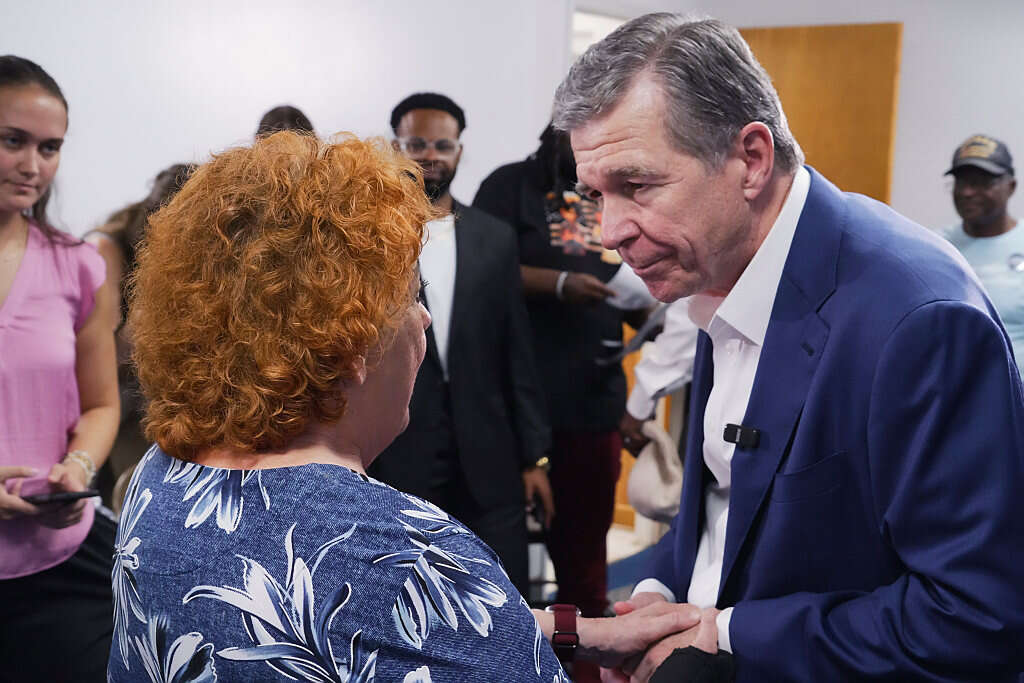
The Democratic path begins in North Carolina, where former Gov. Roy Cooper leads Republican Michael Whatley in the race for an open Senate seat. The Senate Leadership Fund, a major Republican super PAC, even pulled its support from the race this week after previously planning to spend $71 million there.
If Cooper wins, Democrats would still need to flip three more seats from among Maine, Ohio, Alaska, Iowa and Texas, while also defending Michigan.
South Carolina
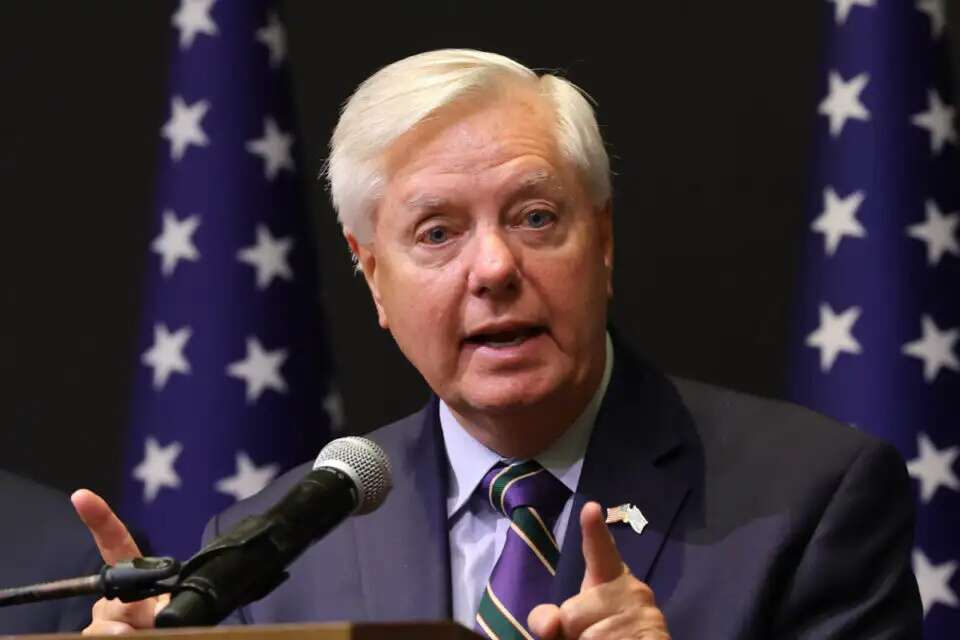
The biggest surprise is coming from South Carolina. After Sen. Lindsey Graham died in July, the state's governor appointed Graham's sister, Darline Graham, to fill his seat. She subsequently won the Republican primary with Trump's backing, but her lack of experience in elected office has turned what had been considered a safe Republican seat into a competitive race.
A Trafalgar Group poll shows Graham leading Democrat Annie Andrews, a pediatrician, by only about one percentage point.
Graham has presented herself as the heir to her brother's political legacy, including his staunch support for Israel and sanctions on Iran. Even so, Cook still rates the race Likely Republican, a reminder that close polls in heavily Republican states have proved misleading before.
Michigan
The race of greatest concern to Israel is unfolding in Michigan. A Fox News poll gives progressive Democratic candidate Abdul El-Sayed a 50%-49% lead over Republican Mike Rogers among likely voters. A Marist Poll gives El-Sayed a seven-point advantage, 51%-44%, among all registered voters.
El-Sayed has described Israel's actions in Gaza as "genocide," called for an end to US military aid to Israel and compared the Israeli government to Hamas.
Since winning the Democratic primary, he has sought to mend divisions within the party and apologized to Jewish voters for comments he made after the terrorist attack on Temple Israel synagogue in Michigan, remarks that were interpreted as an attempt to justify the attacker's actions.
Rogers, who narrowly lost a Senate race in 2024, is trying to appeal to Jewish voters, Black voters and moderate Democrats. Spending on the race has already exceeded $125 million.

Texas
Texas, where no Democrat has won a statewide race in more than three decades, has also become a battleground.
A Fox News poll gives Democrat James Talarico a 51%-49% lead over Republican Texas Attorney General Ken Paxton.
Paxton defeated longtime Sen. John Cornyn in the Republican primary with Trump's backing, but corruption controversies and turmoil in his personal life have hurt his fundraising and support among moderate voters.
Talarico, a young state legislator and former teacher, has raised considerably more money and presents himself as a Democrat rooted in faith and the middle class. Trump has already been dispatched to the state to bolster Paxton, who has so far refused to debate his opponent.

Maine
In Maine, Republican Sen. Susan Collins is fighting for a sixth term against Democrat Troy Jackson. The polling average puts Collins ahead by just two-tenths of a percentage point.
She is relying on her reputation for independence and on the federal funding she has brought to the state as chairwoman of the Senate Appropriations Committee. Jackson, a longtime logger and former leader in the state Legislature, is seeking to turn the race into a referendum on Trump.
Israel has become an issue there as well. Jackson has called the war in Gaza a "genocide," opposes US military aid to Israel and was forced to apologize after saying that some Jewish residents of Maine avoid the term because of its association with the Holocaust. Collins, by contrast, has long supported US security assistance to Israel.

One month before Election Day, the Democrats' road to a Senate majority remains difficult. They must hold Michigan and win four Republican-held seats. But the fact that they are now threatening Republicans even in Texas and South Carolina shows just how dramatically the map has changed.
If the trend continues, Trump could wake up on Nov. 4 facing a Democratic-controlled Congress in both chambers, and two years of investigations, blocked appointments and legislative paralysis.