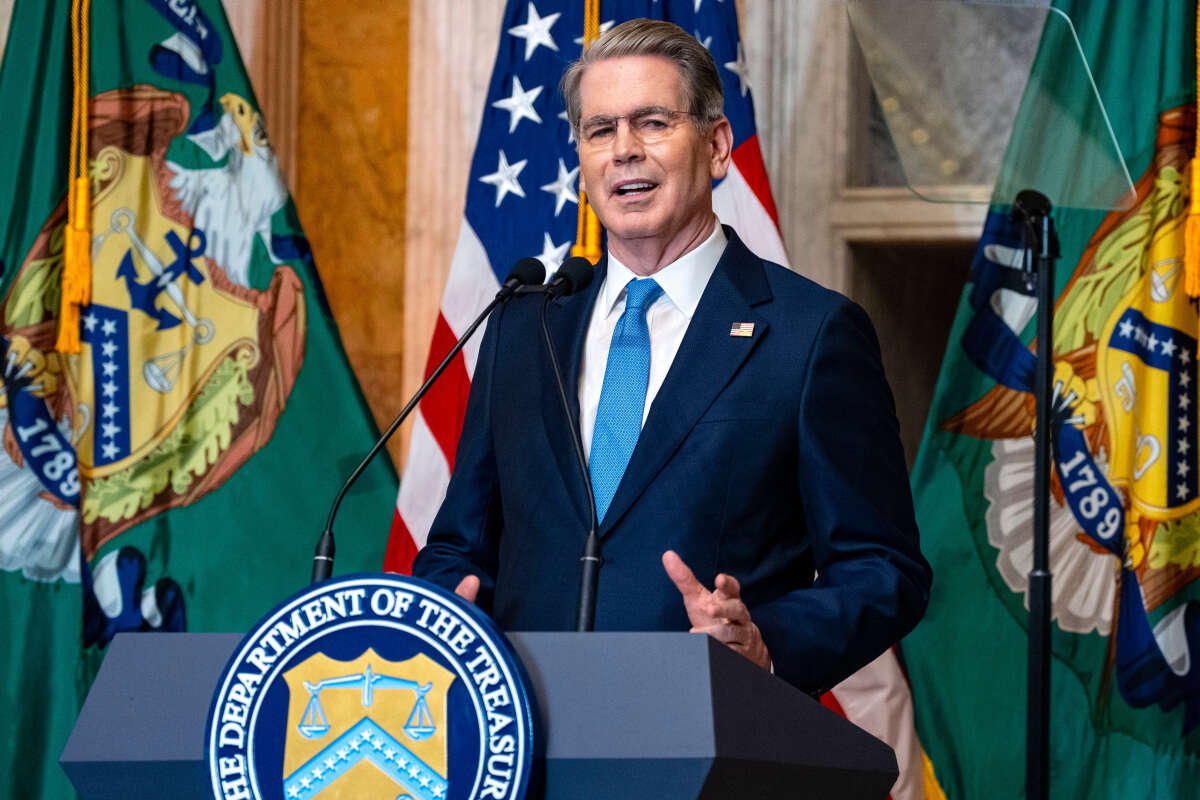
Treasury Secretary Scott Bessent has moved to a military base after receiving threats from Iran, The New York Times reported, citing three people briefed on the matter. US officials believe Iranian plotting against serving and former American officials has advanced, partly because of intelligence on threats to Bessent, the sources said.
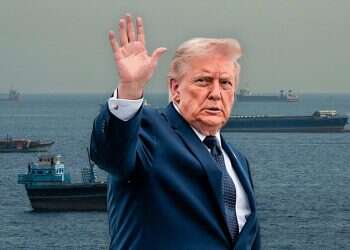
Bessent has led a campaign since August to isolate Iran financially through sanctions and trade restrictions, making him a prime target for Tehran, the sources said. How grave the threats are remains unclear. Officials note that Iran's capacity for large-scale attacks on US soil or abroad is limited, but they consider its targeted threats serious, including a 2024 murder-for-hire plot aimed at US President Donald Trump during his campaign.
A Treasury Department spokesperson said in a statement that Bessent "will not be deterred by the Iranian regime's threats," and remains committed to the campaign against Iran's economy. Bessent follows at least six administration officials who relocated last year, including Stephen Miller, now White House chief of staff, and Pam Bondi, then attorney general.
The administration has not detailed how wide the threats extend, and not all involve Iran. Threats against Bondi were said to stem partly from a spike in security concerns after US forces seized Venezuela's former president, Nicolás Maduro, in Caracas and brought him to New York to face federal criminal charges.
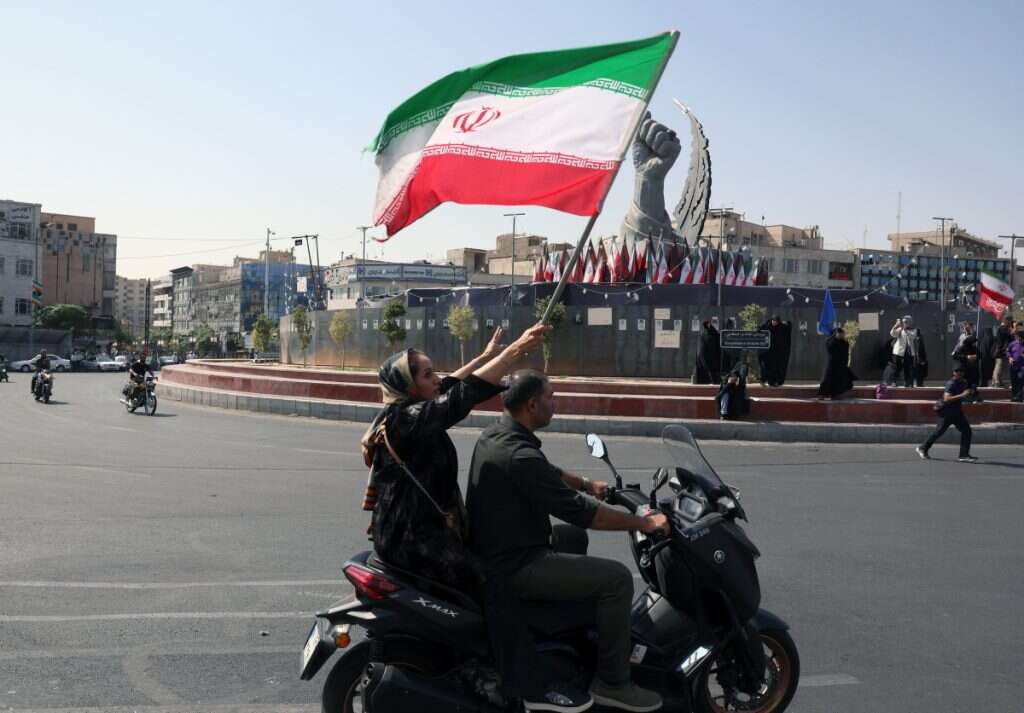
Last month, Washington placed personnel across the Middle East on heightened alert and pared staffing at embassies and consulates after intelligence showed Iran was well along in plotting attacks on Americans. The US military also hastily moved bombers out of a British base following a suspected terrorist plot against it.
Bessent's campaign chiefly seeks to starve the Revolutionary Guard Corps, Iran's most powerful military branch and a major force in its economy, of funds. The administration hopes this will spare America a return to major combat in the war launched by Trump on February 28, a deeply unpopular conflict he has vowed to end.
Bessent and others say the campaign is working, with Iran's economy shrinking, its currency collapsing and living standards falling sharply. But US intelligence suggests Iran's hard-liners will cling to power at nearly any cost, two officials with direct knowledge said, indicating economic pain alone may not bring regime change.
Trump became an Iranian target in January 2020, after he ordered the strike that killed Maj. Gen. Qassim Suleimani, the man who commanded the Quds Force. Federal prosecutors charged Farhad Shakeri, a Revolutionary Guard operative by their account, in 2024 with plotting revenge by killing Trump.
Several national security officials tied to the strike also drew Iranian threats. The Biden administration retained some of their security details, but Trump withdrew protections almost immediately upon returning to office, even for former advisers who considered themselves allies.