US President Donald Trump said Monday that Washington would maintain its military blockade of Iran while continuing negotiations with Tehran in an effort to reach an agreement ending the conflict.
Speaking to reporters at the White House after talks with Qatari Prime Minister Sheikh Mohammed bin Abdulrahman bin Jassim Al Thani, Trump expressed hope for a diplomatic breakthrough but warned that US forces remained prepared to resume military operations if necessary.
"If we do have to go back in, we are locked and loaded and ready to go," he said.
.@POTUS: "Iran, militarily, is effectively over. We're just keeping it the status quo... I don't guarantee anything, but if we do have to go back in, we are locked and loaded." https://t.co/MZShGHTYUt
— Rapid Response 47 (@RapidResponse47) November 9, 2026
Asked why Americans should believe the war would end soon, given that he had made similar predictions in recent months, Trump insisted that his central commitment had always been to prevent Iran from acquiring nuclear weapons.
"That they won't have a nuclear weapon, and they won't have a nuclear weapon," he replied.
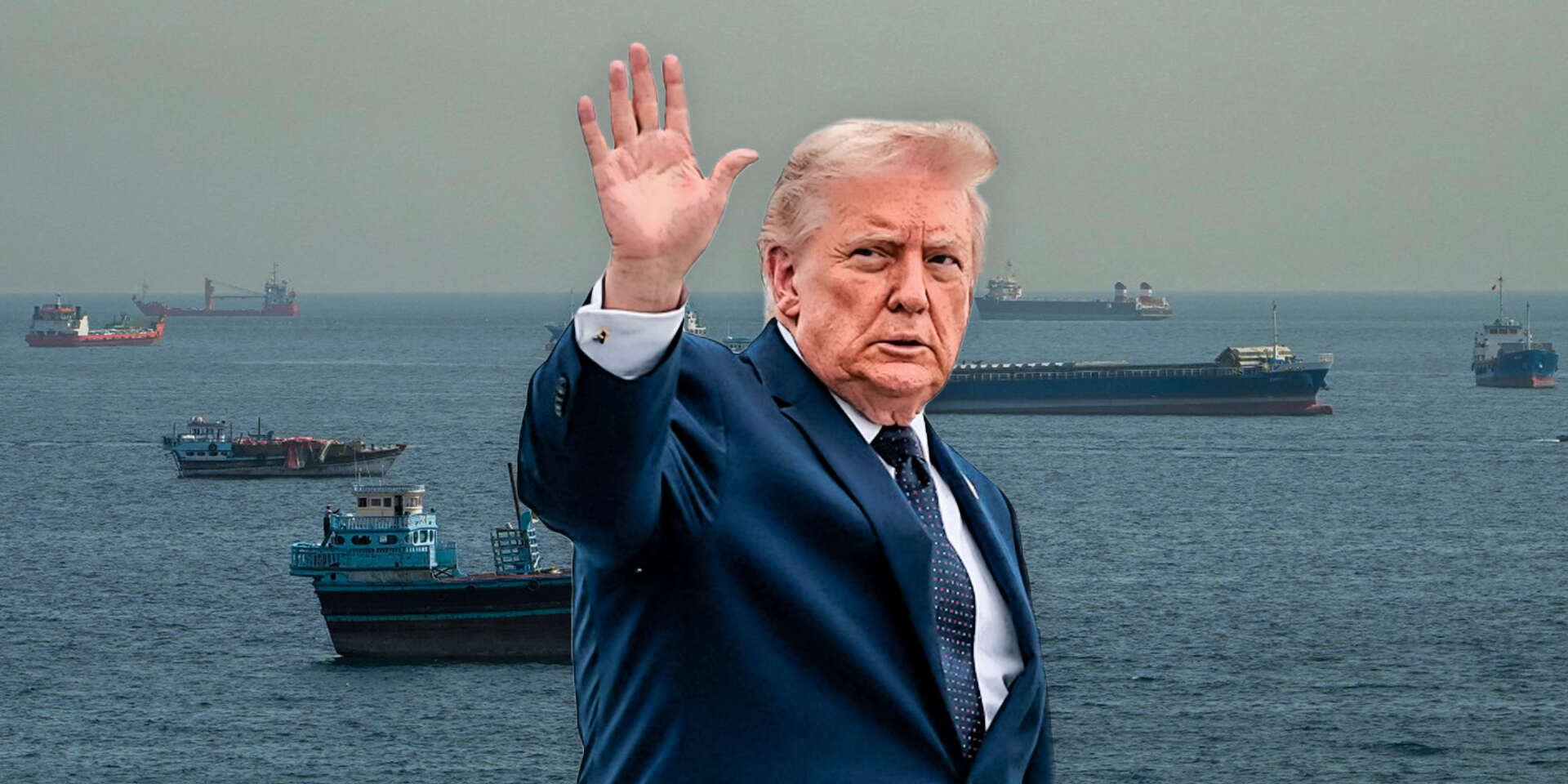
Trump said Washington had no immediate plans to change its approach toward Iran, describing the current situation as a continuation of the status quo. He said the US was maintaining what he called the largest military blockade ever imposed, alongside the newly launched Operation Iron Gate, which targets overland routes into Iran.
The combined operations, he explained, imposed restrictions on Iran by both land and sea.
'Three aircraft carriers, all locked and loaded'
As the blockade continues, Trump revealed that the US was further reinforcing its military presence in the Middle East, with another aircraft carrier heading to the region. Its arrival would bring the number of American carriers there to three.
Trump said he hoped Washington could reach an agreement with Tehran but emphasized that the US was prepared for other possibilities.
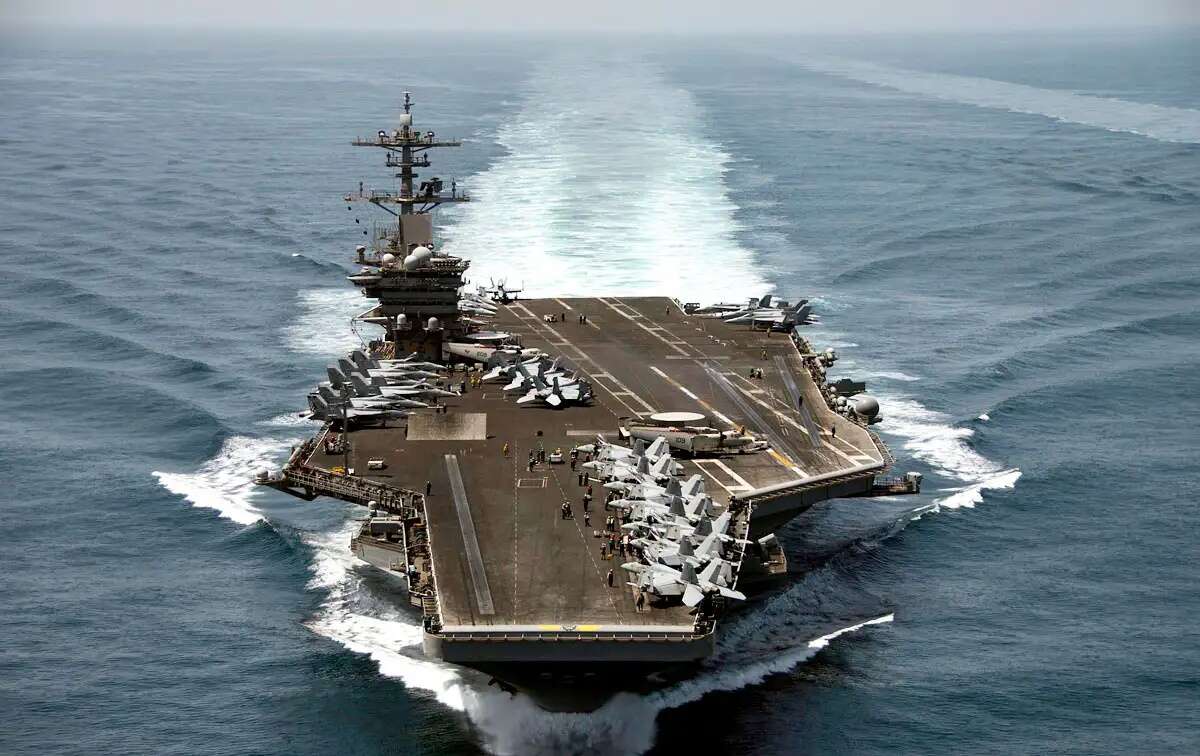
The president said an additional aircraft carrier was arriving in the Middle East as a precaution and confirmed that all three carriers were ready for military action, although he hoped they would not have to be deployed in combat.
Asked why he was not declaring the conflict over if he believed he had already prevented Iran from obtaining nuclear weapons, Trump said the US also had an obligation to protect its regional allies.
"Because we have some great allies there, and we have to make sure they're not hurt," he said.
Trump argued that those countries were considerably safer than they had been six months earlier because Iran's military capabilities had been severely weakened. Nevertheless, he acknowledged that Tehran continued to pose a threat to its neighbors.
He emphasized that Washington wanted to ensure its allies remained safe and that any agreement would provide a lasting solution rather than merely temporary relief.
"We want to make sure it's a long term solution, not just a short term," Trump said, reiterating that Iran would never be permitted to obtain nuclear weapons.
'The Iranians are talking to us very politely'
Despite his warnings, Trump expressed cautious optimism about the possibility of reaching an agreement with Iran. He said negotiations were continuing and that Washington was seeing signs of Tehran's willingness to remain engaged.
"They're talking to us, and they're talking very politely," Trump said. He added that there was a good chance the conflict could be brought to an end.
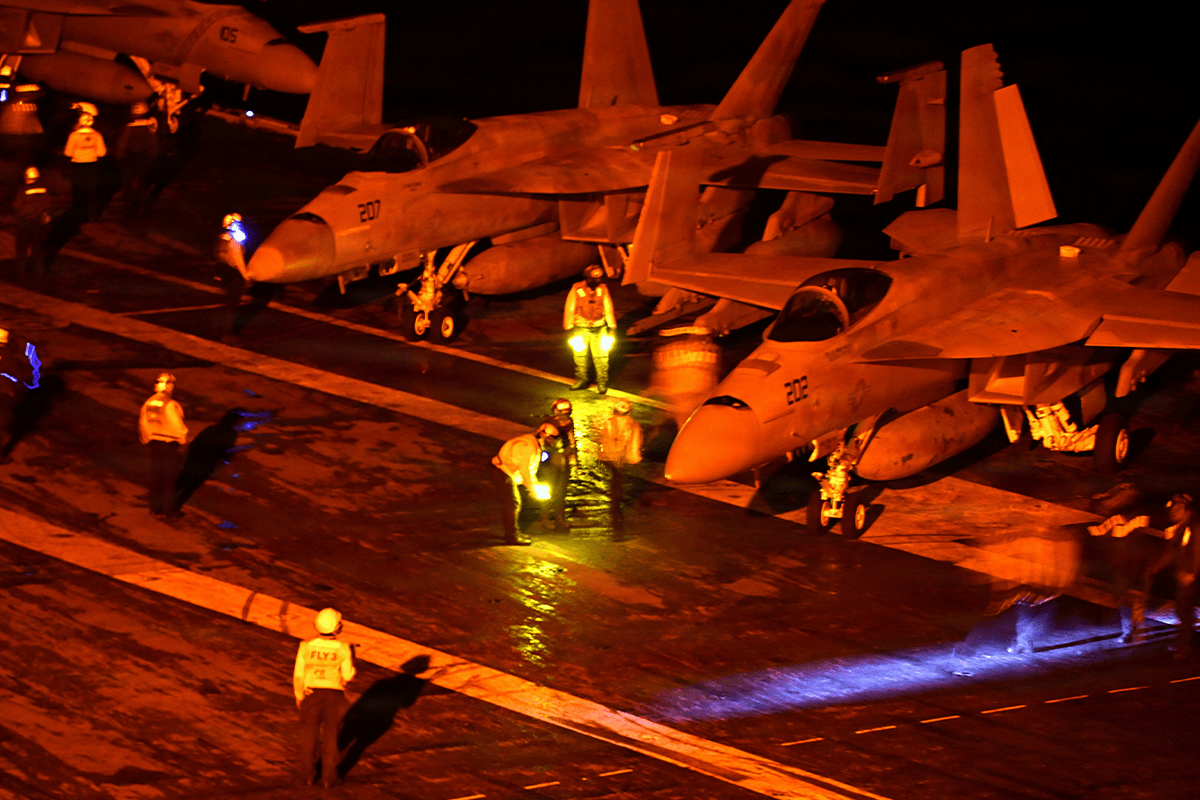
Trump also emphasized that his objective was to conclude the military campaign in a way that would guarantee the long-term security of the US and its allies.
He predicted that once the military engagement ended, Americans and people around the world would be considerably safer and more secure than they had been in many years.
Message to Gulf states: The blockade will continue
Earlier, Trump posted on Truth Social about his conversation with the Qatari prime minister, describing it as an "excellent conversation."
According to the president, Gulf states currently favor maintaining the existing pressure on Iran rather than immediately returning to large-scale military operations.
Trump wrote that Qatar, Saudi Arabia, the United Arab Emirates, Bahrain, Kuwait and other countries preferred maintaining the status quo, including the naval blockade and the newly launched Operation Iron Gate.
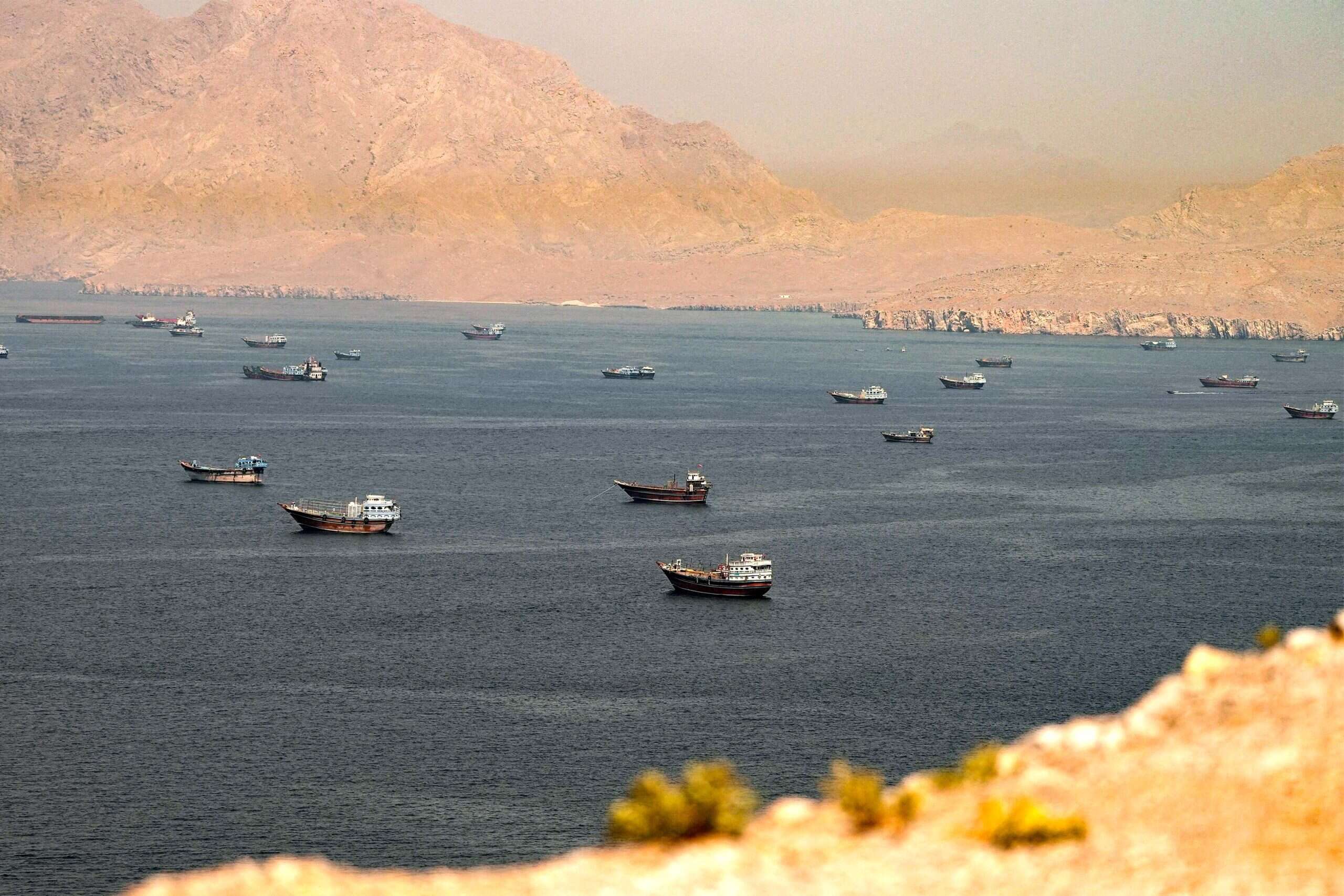
"All have agreed that Iran cannot have a Nuclear Weapon," Trump wrote, adding: "That is non-negotiable!"
He reiterated that the US was prepared to resume military action if developments in the Middle East warranted it. However, he indicated that such a scenario currently appeared highly unlikely.
Trump concluded by asserting that Israel and the wider Middle East were protected from Iranian threats.
"We are seeing positive momentum toward an end to this Conflict," he wrote, pledging to ensure that American interests remained protected throughout the process.