
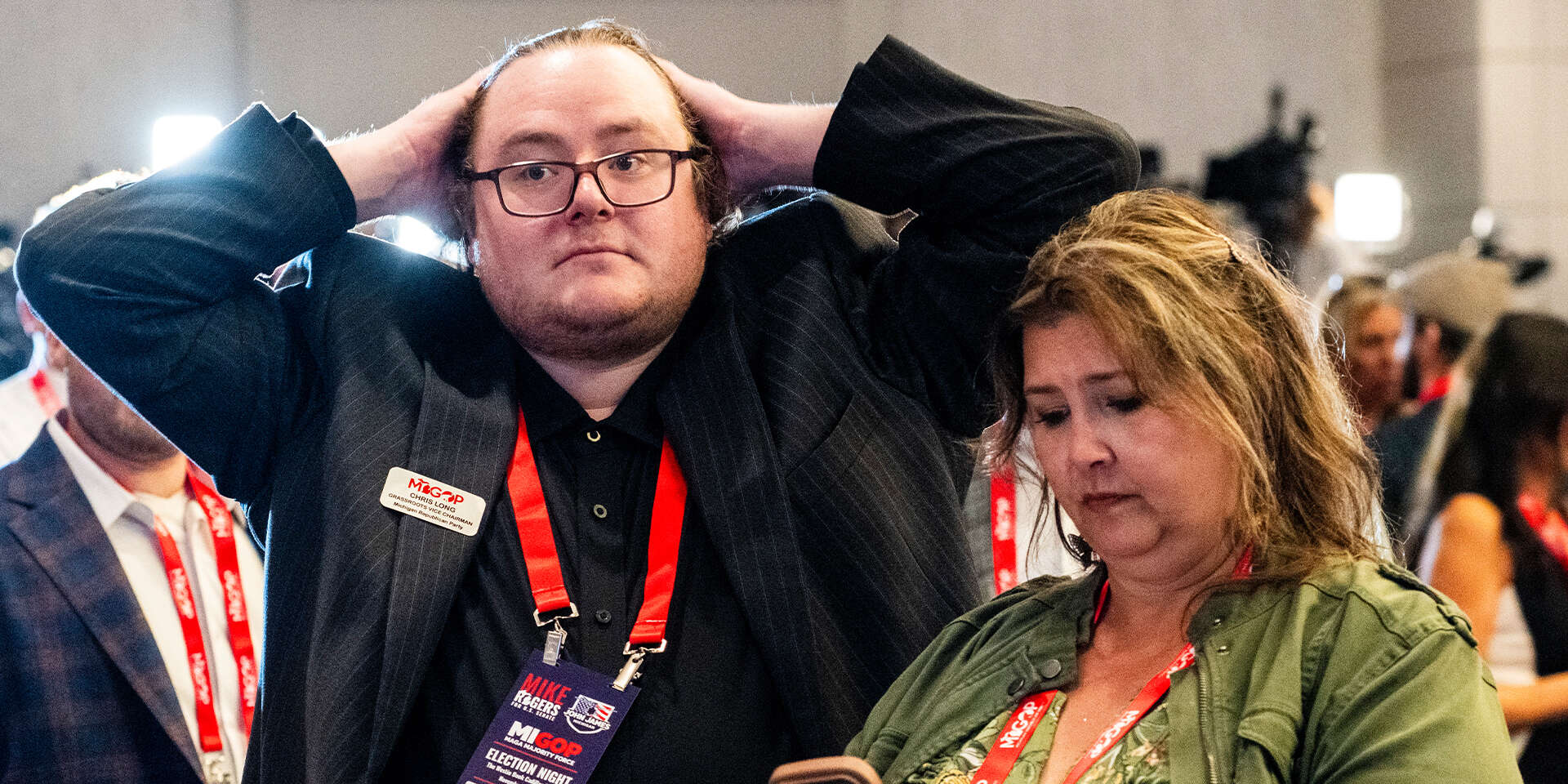
The shock of the Republicans' crushing defeat in the US midterm elections is rapidly giving way to soul-searching and a bitter internal blame game. Just one day after what has been described as the party's biggest wave of midterm losses in 50 years, Republicans are no longer content to explain away the results as isolated setbacks. Their anger is now directed at the party's leadership, the Trump administration's policies and President Donald Trump himself.
According to Axios, Republicans woke up to the election results "in shock," but their shock turned to fury within hours. The battle over who was responsible for the defeat quickly escalated, with members of Congress demanding changes to the party's leadership and its approach to governing.
Rep. Greg Steube (R-Fla.) lashed out at Republican leaders in both the Senate and the House of Representatives in a post on X. "No, the polls were not wrong. You were. Even with record amounts of money at your disposal, you managed to get absolutely annihilated," he wrote.
Steube went on to call for the current leadership to step aside and make way for a new generation that would steer the party in a more conservative direction. "When you have the worst defeat in modern history, you need a new playbook," another Republican lawmaker told Axios.
The crisis extends well beyond a handful of disgruntled members of Congress. According to the report, every senior Republican leadership position in the House could face an internal challenge. In other words, the electoral rout is already threatening to become a full-scale struggle for control of the party.

Iran, prices and tariffs
One of the central issues emerging from the Republican reckoning is the war with Iran. Alongside criticism of the party leadership, Republicans are acknowledging that both the decision to go to war and the prolonged conflict damaged their electoral prospects.
"Iran, Iran, Iran ... we should have never done the war before the midterms," one Republican lawmaker told Axios. Another pointed to a series of factors behind the defeat: "Iran, ICE, inflation, fuel prices, lack of focus on pocketbook issues." A third lawmaker added another grievance to the list: "Iran and the vanity of putting your name on things like the Kennedy Center."
Republican Sen. Ted Cruz of Texas made no attempt to downplay the scale of the defeat. Speaking on his podcast Wednesday, Cruz described the results as an "ass-kicking" for his party and a "Watergate-level repudiation," invoking the political fallout from the scandal that brought down President Richard Nixon in 1974. He called the results across the country a "blue tsunami."
Cruz, who is not up for re-election until 2030, acknowledged that voters had every reason to be frustrated. Republicans, he said, had failed to do enough to address their very real economic hardships. He pointed to tariffs that had driven up prices and a war with Iran that had dragged on for too long. "Food is too high, gas is too high, diesel is too high, insurance is too high, life is too high," he said. Too many Republican politicians, Cruz added, seemed not to understand the public's struggles or simply did not care.
According to NBC News exit polls, more than 80% of voters said they were concerned about the cost of essential goods and services, including gasoline, diesel fuel, food, groceries, utilities and health care. "We need to listen and respond. We need to champion economic policies that make a real difference in working people's lives, and we need to deal with the consequences," Cruz said.

'We've forgotten how to win'
The criticism is not confined to any one faction of the Republican Party. Outgoing Texas Sen. John Cornyn, who lost the Republican primary in May to Texas Attorney General Ken Paxton, also pointed to the party's economic failures and its growing disconnect from voters.
In an opinion piece published in The Wall Street Journal, Cornyn wrote that Americans had trusted Trump and the Republicans more than Kamala Harris and the Democrats in the 2024 election when it came to protecting their financial interests. Since then, he argued, the party had forgotten how to win elections, choosing political spectacle over addressing the issues that matter most to voters. "When Republicans force voters to choose between policy and personal character, it is unfair to them and suicidal for us," he wrote.
He called for rebuilding a broad-based Republican Party that would be professional, focused on Americans' everyday concerns and welcoming to both traditional conservatives and supporters of Trump's Make America Great Again (MAGA) movement. Cornyn said he was ready to join anyone willing to turn the page, restore integrity and rebuild the party.
Trump has no plans to back down
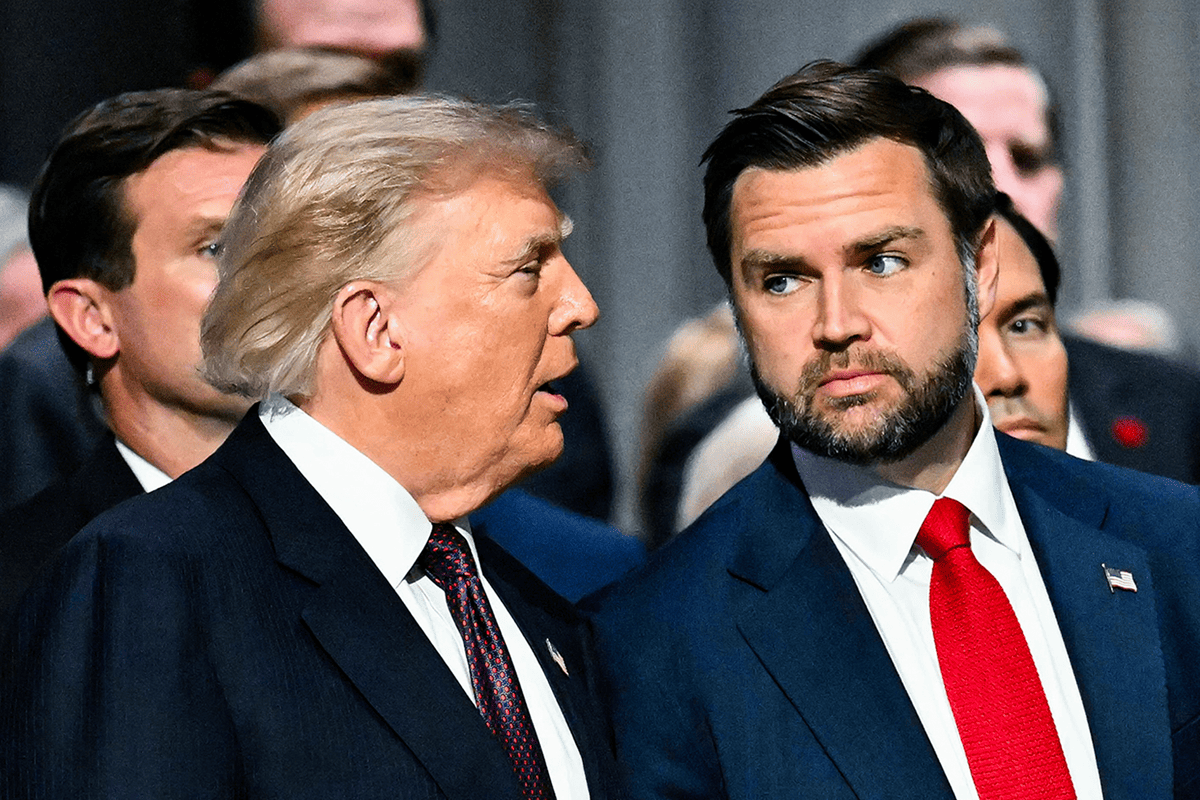
While Republicans engage in an increasingly public reckoning, Trump is showing no signs of changing course. According to CNN, the election results represented the worst possible scenario for the president. A decade after he first entered the White House, the prospect of being seen as a president who has lost his political clout is prompting him to explore new ways to preserve his influence.
Administration officials and people close to the president say Trump could quickly resume the war with Iran, a possibility he had hinted he was prepared to revisit once the midterm election period was over. This comes despite the failure of recent negotiations between Washington and Tehran to produce a new agreement.
At the same time, the president's advisers have spent recent months examining ways to exercise sweeping executive powers to advance measures unlikely to win congressional approval, particularly on immigration and federal spending. According to CNN, Trump's associates say he is prepared to push the boundaries of presidential authority to achieve his objectives.
Nor is the president expected to change course on the international stage or abandon his personal projects. According to the report, Trump plans to attend three major international summits in the coming weeks while devoting additional time to construction projects he is promoting in Washington. The day after the election, he convened an impromptu event to showcase progress on the construction of the White House ballroom.
The day after Trump
An analysis published in The Atlantic argues that the Republicans' latest defeat goes far beyond the traditional midterm losses suffered by the party holding the White House. According to the magazine, the results resemble the 1974 elections in the aftermath of the Watergate scandal, representing a broad vote of no confidence in the president himself and the political era he embodies.
The analysis highlights a string of Republican losses in states traditionally regarded as party strongholds, including Iowa, Kansas and Texas. It argues that voters' grievances extended well beyond gasoline prices. Among the factors cited were the administration's conduct, the war with Iran and the damage done to key US alliances.