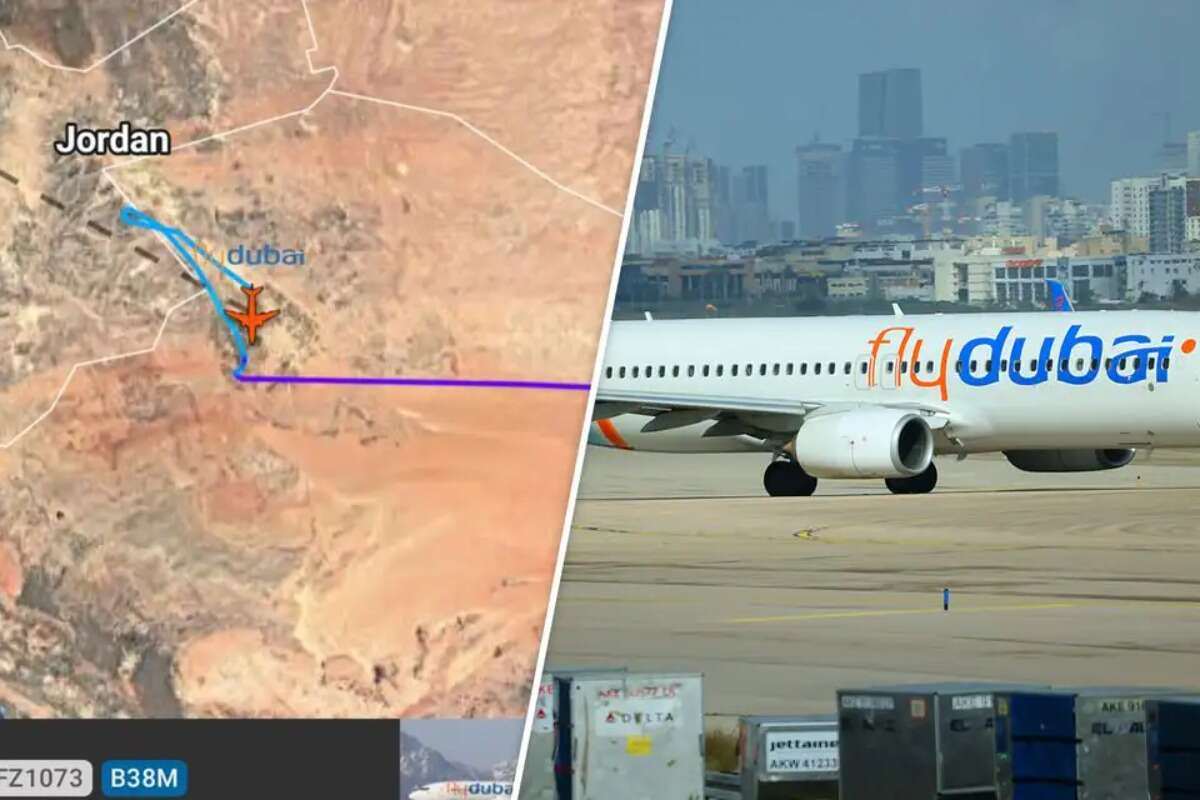
A new report has raised questions about a possible conflict of interest within Israel's aviation security system. Dvir Rubinshtein, director of the Aviation Security Operations Center (ASOC) at the Ministry of Transportation and one of the officials responsible for security oversight of foreign airlines operating flights to Israel, has also received payment from Flydubai for consulting and training he provided the airline, N12 first reported, just days after tragedy was averted when passengers subdued a rogue pilot on Flydubai Flight 1073 from Dubai to Tel Aviv.
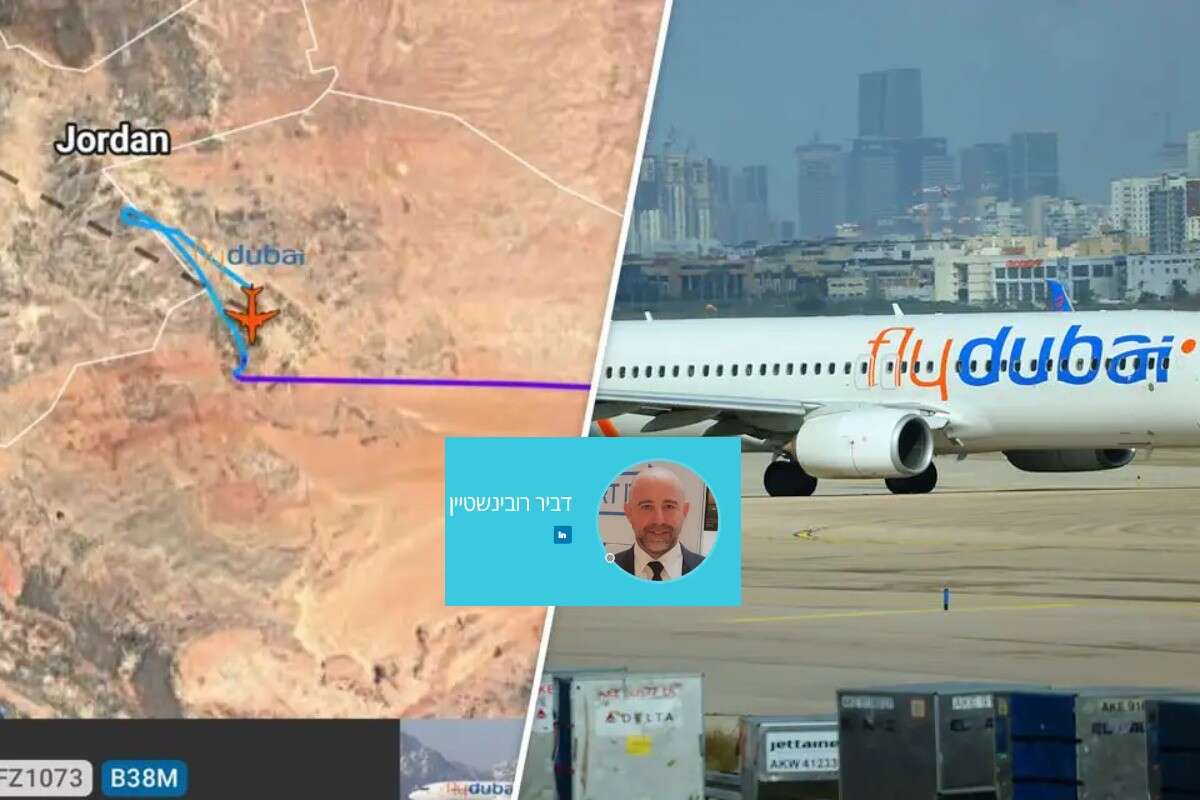
According to the report, Rubinshtein is not a government employee but provides services to the Ministry of Transportation on an outsourced basis. Alongside his role, he runs a private company called Dvir, which offers various services, and he previously served as a senior lecturer in security and safety at Sigma 005 (a police-run training academy). After an earlier exposé, the Ministry of Transportation said his additional work was approved in accordance with the law and takes place outside his working hours under the terms of his contract with the ministry.
It now emerges, however, that his private work also included providing services to foreign airlines whose operations he is supposed to oversee as part of his public role. According to the report, Rubinshtein traveled to the United Arab Emirates and gave training sessions there to Emirates and Flydubai. He then returned to Israel and continued in his role at the Ministry of Transportation, which also involves liaising with foreign airlines.

This takes on particular significance in light of an attempted hijacking of the Flydubai flight to Israel, during which co-pilot Hammam al-Hammami attacked the captain, Smit Machchhar, who bravely fought him off and alerted the passengers. Despite the aircraft nosediving during the ensuing brawl, two deadheading pilots who happened to be on board took over and managed to land the plane – despite a torn rudder. According to AP, authorities in the United Arab Emirates had even sent Israel an advance list of passengers and crew, including their nationalities, but Israel did not flag any alert regarding the co-pilot.
According to the report, a description of Rubinshtein's role from a lecture he gave states that he is "responsible for all the security approvals and permits required for any airline and flight seeking to enter Israel, both in advance and in real time," and that he also "advises airlines around the world that operate flights to Israel."
In a separate lecture, on the lessons learned in the United States following the September 11 attacks, Rubinshtein addressed the vetting of crew members at foreign airlines. According to the report, he explained that airlines in the United States are required to submit lists of foreign pilots in advance and that background checks are carried out before takeoff. His remarks have taken on additional significance now, against the backdrop of the questions raised by the Flydubai incident.
Rubinshtein himself told reporters that the Ministry of Transportation is not an intelligence agency and that it relies on checks carried out by airlines and security authorities in the countries of origin. He said the airlines submit a declaration stating that their pilots have undergone background checks and been approved by the authorities in their home countries.
Dvir Rubinshtein and the Ministry of Transportation did not respond to the new allegations regarding the payments he received from Flydubai and other foreign airlines.