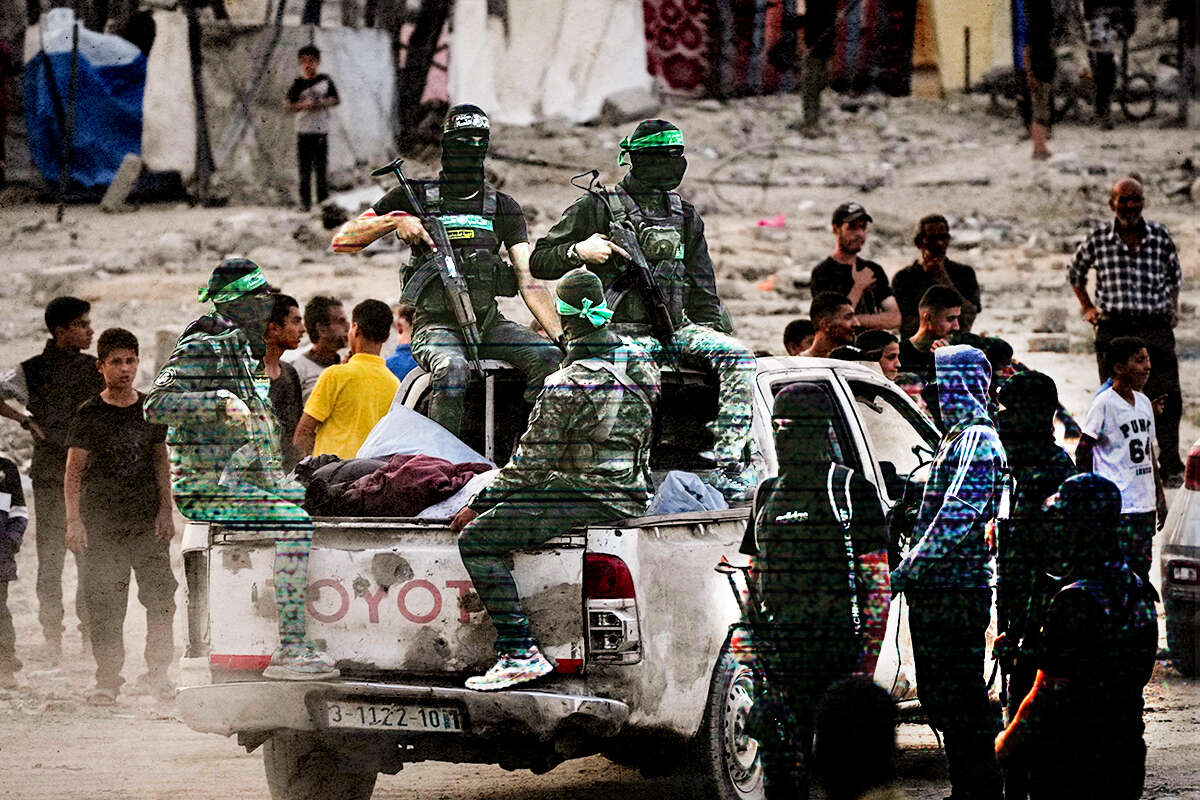
Hamas is already preparing for the day when the Israel Defense Forces withdraw from parts of the Gaza Strip, seeking to preserve fighters, weapons and infrastructure that would allow it to regain control of the territory. Three years after the October 7 attack, sources familiar with the situation say the terrorist organization is working to preserve its Rafah and northern Gaza brigades, with the intention of returning them to their former areas of operation when the opportunity arises. Meanwhile, Israel is systematically demilitarizing territory east of the Yellow Line, which marks the boundary of Israeli military control in Gaza, in an effort to limit Hamas' ability to rebuild its strength.
Among other measures, Hamas previously buried rocket components and weapons east of the Yellow Line, intending to retrieve and use them if Israel carried out a significant withdrawal. But while Hamas refuses to disarm and continues trying to rebuild its forces, Israel has spent the past year conducting a demilitarization campaign in the territory east of the line.
The clearance of aboveground infrastructure is now largely complete. During this phase, residential buildings containing terrorist infrastructure or weapons stockpiles were demolished. Underground infrastructure was discovered beneath some of the buildings, while others had been rigged with explosives, used by terrorists as hideouts or fortified positions, or posed potential threats to IDF troops.
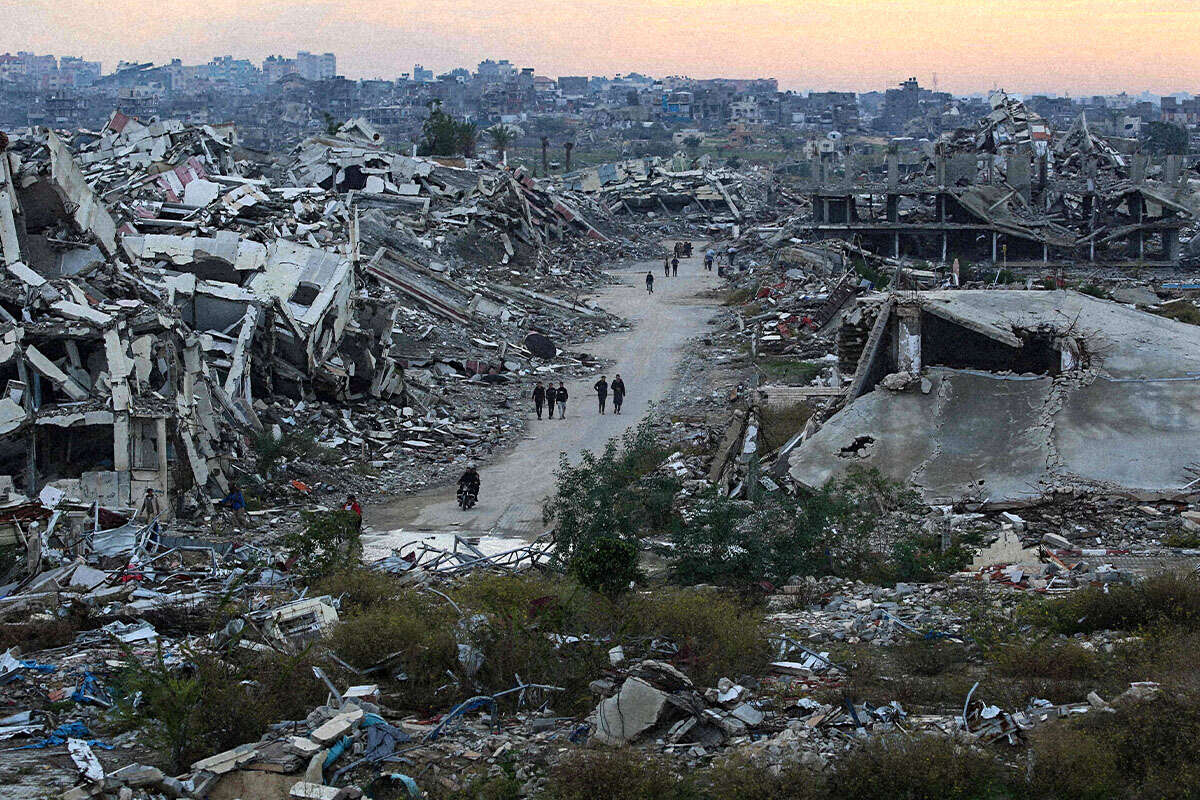
The second phase, focused on clearing underground infrastructure, is still underway. Security forces are using specialized equipment to conduct searches deep beneath the surface in an effort to locate additional tunnels. Operations are also underway to destroy tunnels connecting different parts of the Gaza Strip, either through controlled explosions or by filling them with concrete.
This painstaking, systematic work has already produced results during the war. For example, Hamas leader Yahya Sinwar became trapped in the Rafah area following the destruction of tunnels and was subsequently killed by an IDF force. At the same time, the military continues to locate and destroy rocket components and other weapons that Hamas buried for future use.
Reserves awaiting an Israeli withdrawal
Israel currently controls 63% of the Gaza Strip. That means the IDF holds several areas where Hamas brigades and battalions previously operated, including Rafah, northern Gaza, eastern Gaza City, the eastern parts of the central Gaza refugee camps and eastern Khan Younis.
On one hand, this situation has created structural difficulties for Hamas and disrupted its operations. Terrorist units that once operated in these areas have been forced to move westward, deeper into the Gaza Strip. Their ability to function as organized military formations has deteriorated, and their defensive capabilities are weak, leaving them "like fish out of water." On the other hand, Hamas is preserving these units as reserves, believing Israel will eventually withdraw and its fighters will be able to return to areas such as Rafah and Beit Hanoun.
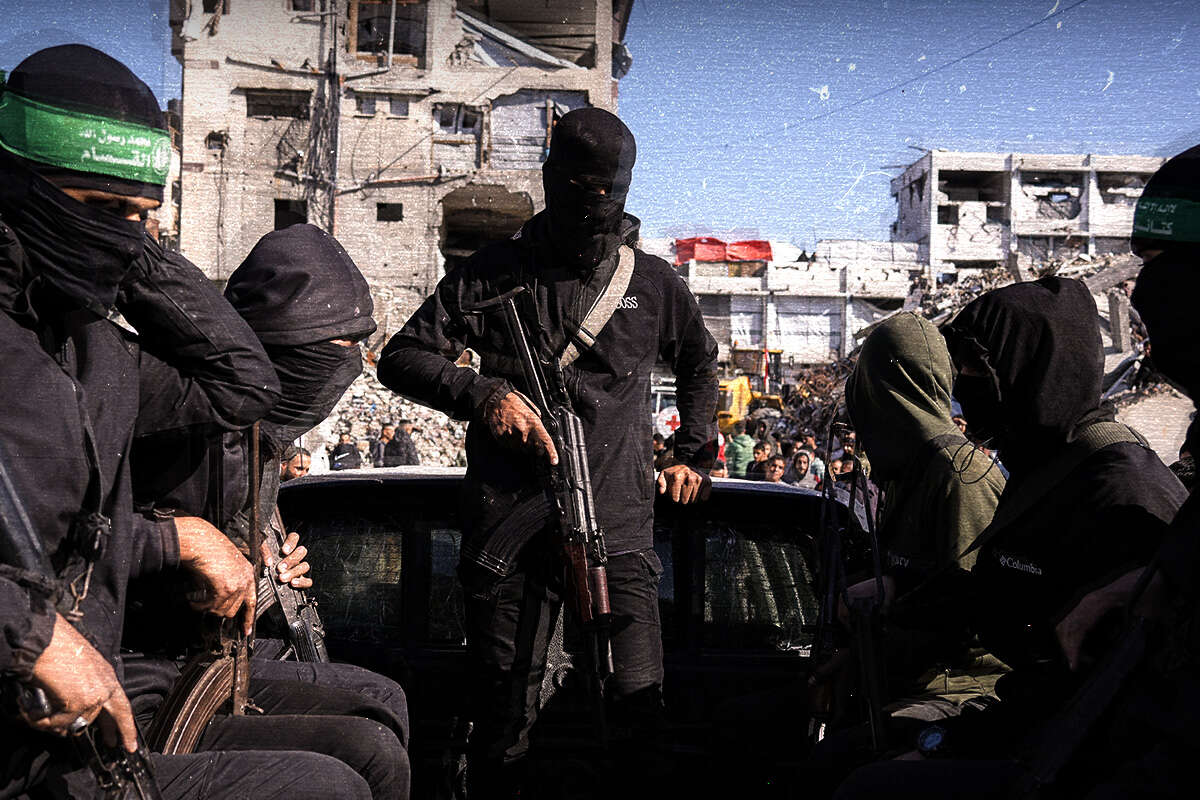
Against the backdrop of Israeli government statements warning that Hamas is planning attacks ahead of the elections, the sources point to significant difficulties facing the terrorist organization in mobilizing resources.
First, three years after the October 7 attack, Hamas is believed to possess only a few hundred rockets, compared with an arsenal numbering in the thousands before the war. The diminished capabilities of its rocket forces significantly weaken a critical component of any future attempt to carry out another large-scale attack.
Second, Hamas faces a shortage of weapons, including small arms. Some of these weapons are beyond its manufacturing capabilities, while others can be produced only to a low standard. In other words, Hamas' ability to rebuild is limited despite its continuing smuggling efforts.
Third, although Hamas continues recruiting terrorists, including teenagers aged 16 and 17, the training they receive is relatively rudimentary.
Before the October 7 massacre, Hamas spent a year and a half training each member of its elite Nukhba force and conducted exercises involving entire battalions in preparation for an invasion of Israel. Today, conditions are very different. Restrictions imposed by the Yellow Line, daily strikes against terrorists and the elimination of a large number of senior commanders have all taken a toll. Documents seized in Gaza revealed that basic training for Hamas recruits during the war lasted just one week. This indicates a significant decline in training standards, leaving Hamas unable to make major advances in rebuilding the capabilities of its military wing.
Israeli officials remain concerned that targeted killings of senior Hamas figures alone will not be enough to bring about the organization's complete defeat. Achieving that objective would require a large-scale offensive against Hamas strongholds deeper inside the Gaza Strip. Nevertheless, Israeli assessments suggest that the cumulative impact of these killings is undermining Hamas' ability to intimidate Gaza's population and maintain control through its policing and security apparatus.
Evidence of this can be seen in raids conducted by Gaza-based militias into territory west of the Yellow Line, as well as the September operation that resulted in the capture of Muein al-Arabid, the head of Hamas' internal security apparatus in Gaza.

In practical terms, Hamas' grip on power is weakening. At the same time, the terrorist organization continues to preserve reserves of fighters and would not hesitate to retaliate against those militias if the IDF withdrew.
As for Hamas' military wing, Israeli officials recognize that the organization is appointing replacements for its eliminated commanders. However, they believe that as the targeted killings continue, internal disputes and power struggles will emerge over who should succeed them.
In other words, the first and second successors may be accepted without controversy, but by the time the organization reaches its seventh replacement, that individual could face a struggle to establish his authority. Beyond that, Israeli assessments suggest that the constant pursuit of senior Hamas figures makes it difficult for them to organize large-scale or significant attacks.
Beyond the military wing
In its day-to-day operations, Hamas continues to entrench itself in schools, mosques and hospitals, despite its denials in the media. The terrorist organization still operates on the assumption that these locations provide it with some degree of protection from IDF strikes.
Moreover, the heart of Hamas extends far beyond its military wing. It also encompasses a civilian network of "charitable organizations," mosque preachers, educational institutions and financial operations. In this regard, the sources say that the body overseeing this network, Hamas' political bureau in Gaza, has suffered a severe blow and has yet to recover fully from the succession of targeted killings.
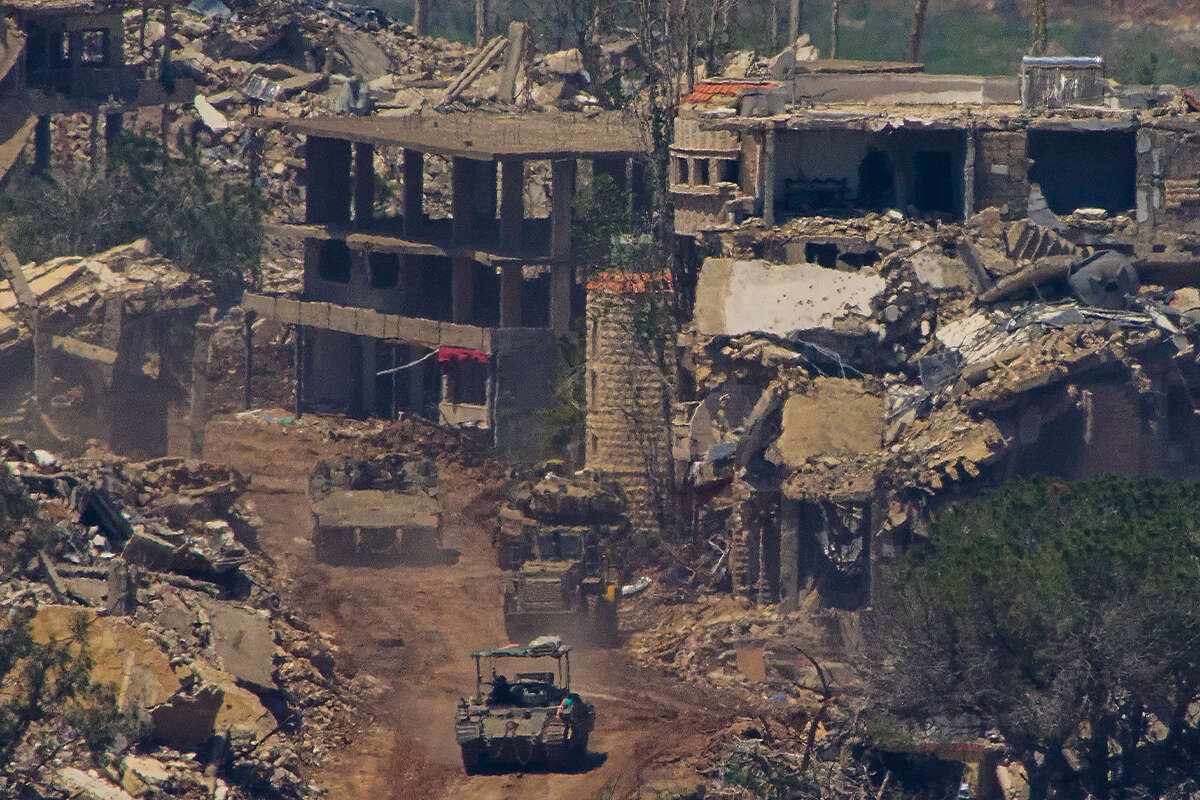
New appointees to the bureau are regarded as weak figures. Ali al-Amoudi, the bureau's head who was recently targeted in an Israeli strike, was the last remaining member of the old guard among Sinwar's close associates. Even so, as long as the Gaza Strip is not fully demilitarized, any alternative governing authority will struggle to take control.
In addition to Hamas, other terrorist organizations operate west of the Yellow Line, including Palestinian Islamic Jihad, the Popular Resistance Committees and the Popular Front for the Liberation of Palestine. According to the sources, these organizations are also attempting to rebuild their capabilities, although they face the same constraints as Hamas. Palestinian Islamic Jihad still has thousands of fighters.
Three years after the October 7 attack, the fight against terrorism in Gaza is far from over.