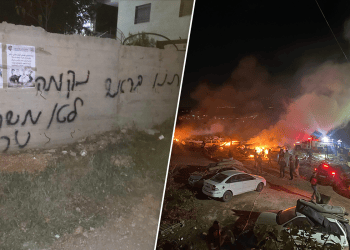
Israeli diplomatic missions abroad are issuing a steady stream of warnings about the enormous damage to Israel's international image caused by Jewish violence against Palestinians in Judea and Samaria. In one report, a senior diplomat said that "we've run out of explanations." Even community leaders and influential figures who are friendly toward Israel are demanding answers about what is happening, let alone journalists submitting requests for comment accompanied by photographs and video footage from the scene.
The problem is particularly acute in relations with the US administration, which is considered highly supportive of Israel but is increasingly unwilling to accept Jerusalem's explanations. One consequence has been Prime Minister Benjamin Netanyahu's directive to National Security Council head Shmuel Ben Ezra to immediately establish a dedicated task force to coordinate the response to the problem. The very fact that Netanyahu issued the directive suggests he has received more than one appeal on the matter from the highest levels of the US administration.
Elsewhere in the government, however, there is little appetite for tackling the problem in the run-up to the elections. Activists on the ground are demanding that politicians leave them alone and focus their efforts exclusively on Arabs. This week, for example, Yiska Chaimov, sister of Shin Bet security agency Director David Zini and a candidate for the Noam party, called for the closure of the Shin Bet's Jewish Division during an interview with Kol Barama radio.
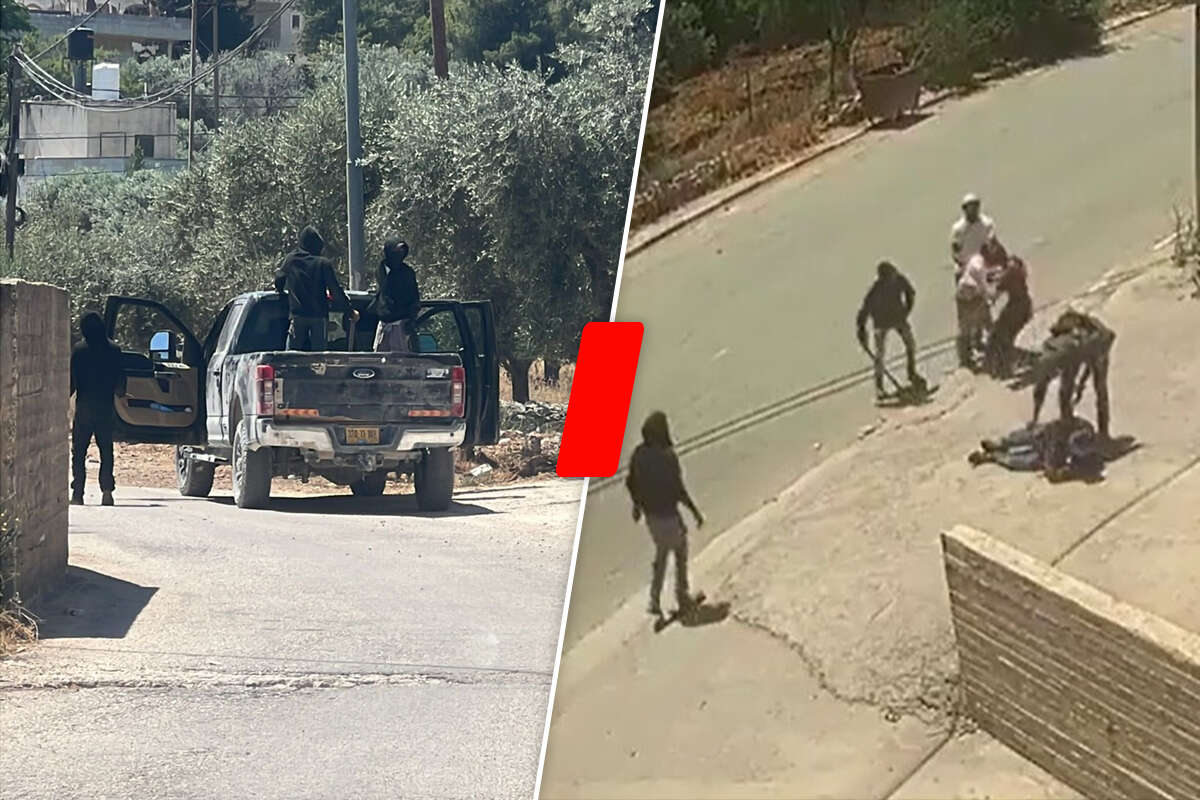
A political source familiar with the government's handling of the issue said no one was preventing law enforcement agencies from taking the strongest possible action against the violence. The difficulty, however, is that tackling the problem requires extensive coordination among the Israel Defense Forces, the police, the Shin Bet and other agencies.
According to the source, the relevant ministers do not regard the issue as a top priority, leaving the burden largely on commanders in the field.
US pressure and new measures against Jewish nationalist crime
The IDF has significantly increased its troop deployment in Judea and Samaria to address the violence more effectively, despite the heavy demands already being placed on its forces across several fronts.
The military has also begun using financial measures against Jewish nationalist crime in the area, including the confiscation of cars worth hundreds of thousands of shekels, off-road vehicles and utility terrain vehicles.
Meanwhile, the IDF is awaiting legal authorization and the signatures of Minister in the Defense Ministry Bezalel Smotrich and Justice Minister Yariv Levin on additional regulations that would allow financial penalties to be imposed on rioters and those who establish illegal outposts.
One proposed regulation would require those who establish illegal farms and outposts that have been evacuated more than once to cover the costs of their removal.
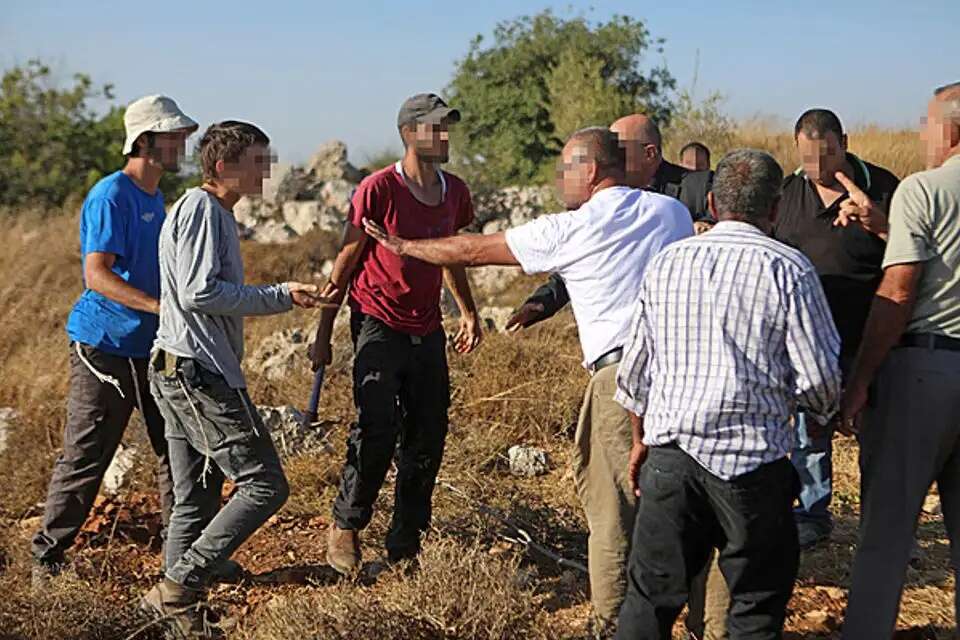
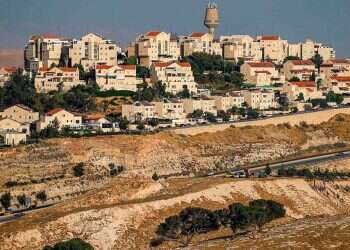
Most of the illegal outposts and farms are established in Area B of Judea and Samaria, where Israelis are generally prohibited from entering without authorization under the arrangements established by the Oslo Accords. Some have been evacuated four or five times, or even more, with each operation costing tens of thousands of shekels.
The IDF, police and Shin Bet are seeking to expand their range of measures against Jewish violence. Administrative detention, which allows suspects to be held without trial under certain circumstances, is one such measure. But security professionals recognize that, with elections approaching, the defense minister is unlikely to rush to authorize steps that could carry a political cost.
The IDF is currently maintaining heightened readiness in Judea and Samaria because of several overlapping developments.
The first is Israel's upcoming elections. The second is the elections announced by the Palestinian Authority, although there are doubts they will take place, against the backdrop of a struggle over who will succeed the current Palestinian leadership.
The third is the olive harvest, which has just begun, amid weekly disturbances by far-right activists in Palestinian villages. The fourth is the Palestinian Authority's deteriorating economic situation, driven by the withholding of tax revenues and restrictions preventing Palestinians from working in Israel. Other factors are also contributing to the heightened tensions.
Alongside what the IDF regards as its considerable, demonstrable success in preventing Palestinian terrorist attacks in Judea and Samaria, including operations that have effectively dismantled refugee camps that served as terrorist strongholds, the military is pursuing a range of approaches to a problem that has evolved from a security nuisance into a strategic diplomatic issue.
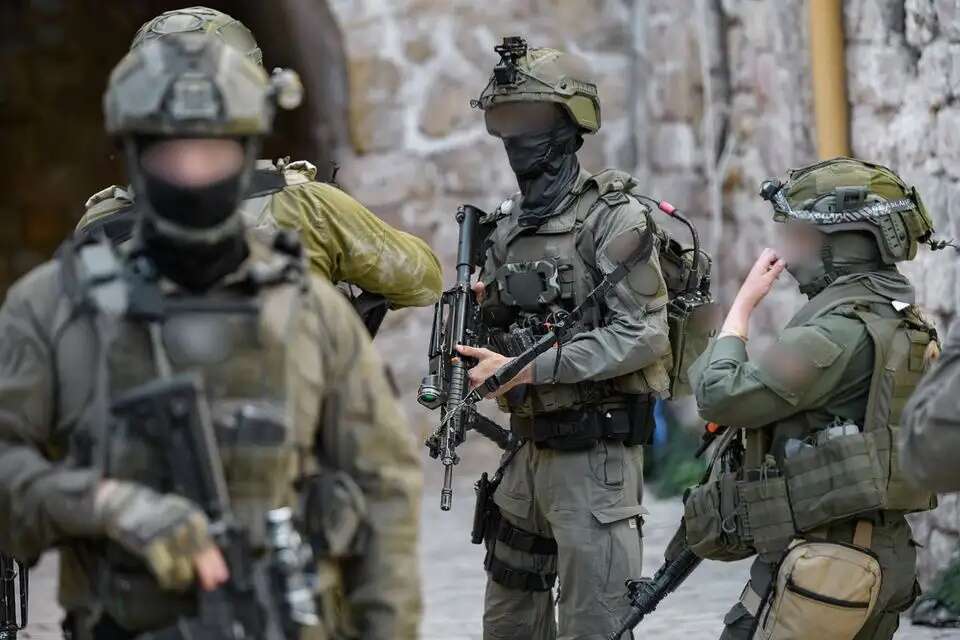
Israeli law does not apply in full in Judea and Samaria, where IDF Central Command chief Maj. Gen. Avi Bluth serves as the de facto governing authority.
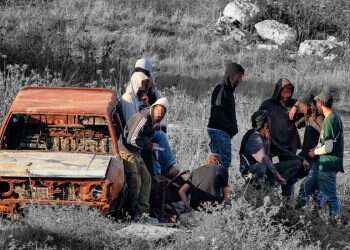
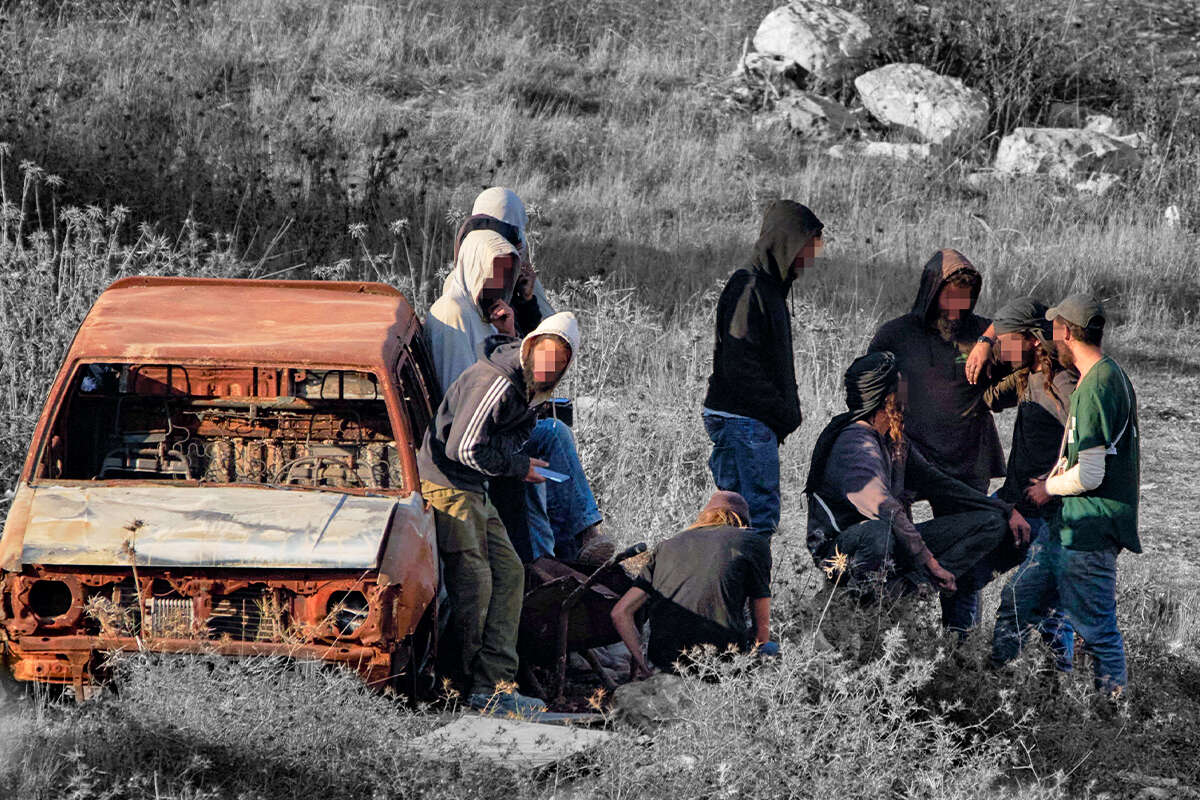
The IDF has presented the political leadership with an assessment identifying approximately 400 to 500 anarchist offenders. Some carry out outright terrorist attacks, while most damage property and deliberately provoke confrontations with Palestinians.
The military does not hesitate to describe several of these incidents as "Jewish terrorism." Senior officers are also furious with most of the heads of local authorities in Judea and Samaria, saying that, with only two exceptions, they have barely condemned Jewish nationalist crime or spoken out against it.
Olive harvest tensions and the dispute over farms
Ahead of the olive harvest season, the IDF developed several measures aimed at preventing clashes around olive groves.
According to military figures, harvesting is taking place without disruption or incidents in 98% of the olive groves. At several locations known to be flashpoints, the army coordinates harvesting schedules with Palestinian farmers, escorts them to their land and prevents confrontations with Jewish residents.
Nevertheless, there have been clashes, as well as incidents in which Jewish residents of the area have stolen olives harvested by Palestinians.
A senior military official described the thefts as a disgraceful phenomenon involving anarchists wearing kippahs who violate the commandment "Thou shalt not steal."
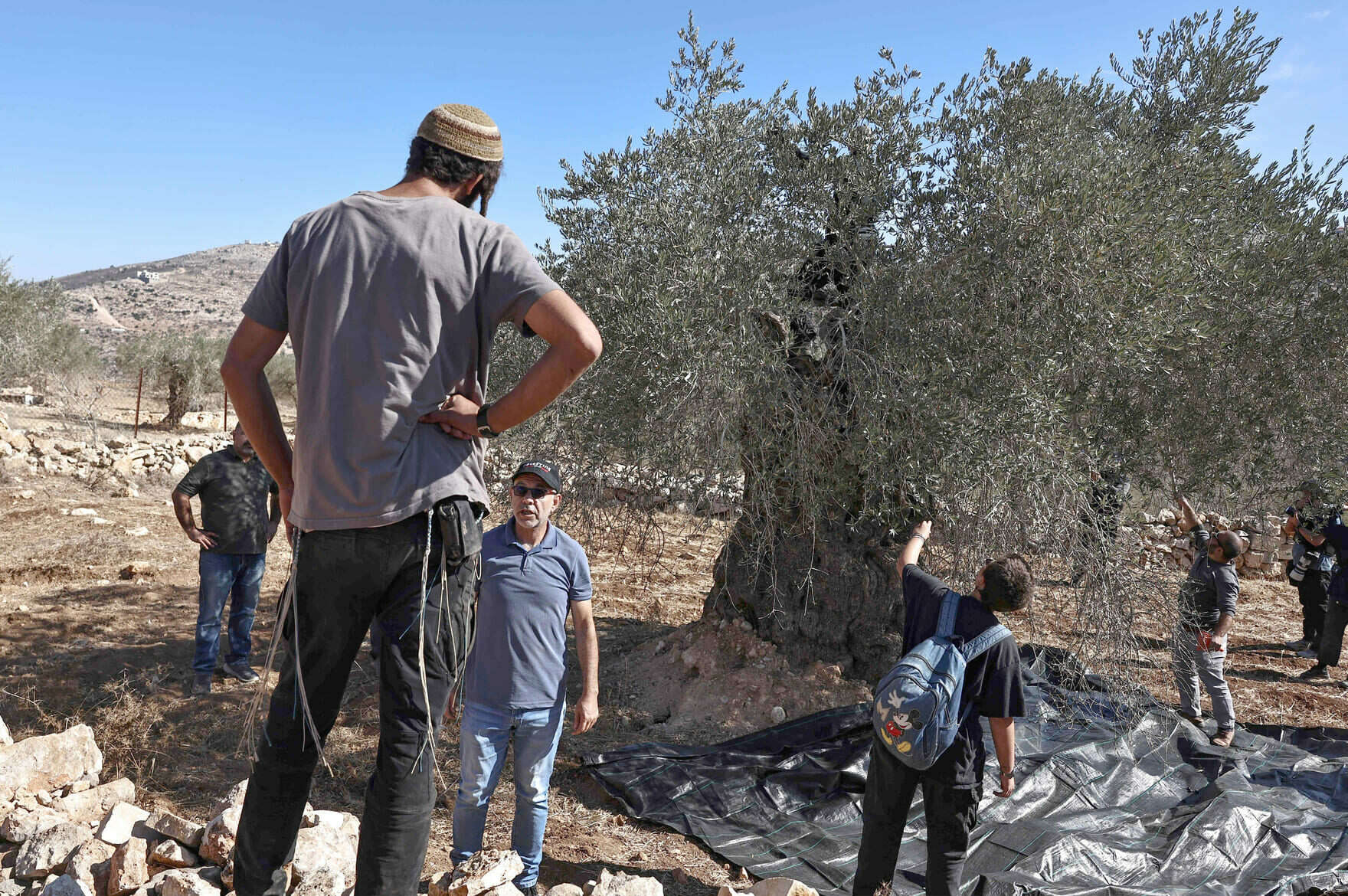
The military also points to other provocateurs, including left-wing activists from Israel and abroad.
With assistance from the Interior Ministry, the IDF has arranged for some foreign activists to be deported or denied entry to Israel. The situation is more complicated when it comes to Israeli activists. According to the military, they are experienced, know the terrain and deliberately arrive at sensitive locations to intensify clashes and confrontations so the incidents can be publicized internationally.
The IDF stresses the distinction between legal agricultural farms established in Area C of Judea and Samaria, in coordination with the authorities and with appropriate security arrangements, and illegal farms and outposts.
"The legal farms have greatly improved security in Judea and Samaria," IDF officials said. "Roads that were once prone to stone-throwing and firebomb attacks have become safe thanks to the farms. They provide us with more eyes on the ground, more armed residents, most of whom serve in combat reserve units, and fewer hostile elements."