Israel Hayom is a media organization founded on the belief that the Israeli public deserves better journalism—more balanced, more accurate, and more reliable. Journalism that speaks rather than shouts. Journalism that is trustworthy, objective, and matter-of-fact. A different kind of journalism, offered free of charge.
The first print edition was published on July 30, 2007, and in 2010 Israel Hayom became the Israeli newspaper with the highest weekday readership. The newspaper’s publisher is Dr. Miriam Adelson. Its Editor-in-Chief is Omar Lachmanovitch, and its founding editor is Amos Regev.
Israel Hayom’s Hebrew and English websites, as well as its Android and iOS applications, provide around-the-clock news coverage, exclusive content, breaking news and updates, analysis and commentary, video, podcasts, and live broadcasts.
The digital platforms of Israel Hayom include news and opinion channels covering culture and entertainment, lifestyle, technology, sports, business and consumer affairs, health, military affairs, food, Judaism, tourism, and automobiles.
In 2021, a new Hebrew-language website and mobile application were launched to provide users with a fast, up-to-date, secure, and convenient experience.
The content of the newspaper’s print edition is also available online through a daily digital edition and can be received via newsletter.
“The Israel Hayom Clique,” the publication’s exclusive benefits club, offers website users discounts and special promotions on products and services.
Israel Hayom welcomes feedback, criticism, and suggestions for improvement from its readers. You can contact the organization by email at hayom@israelhayom.co.il
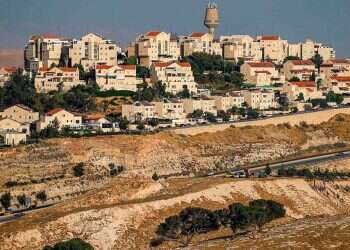
Eight Israeli construction, development and architecture firms targeted in new British sanctions package. Foreign Secretary Ed Miliband: "We must not allow the two-state solution to die."Israeli officials warn: "This will not go unanswered."
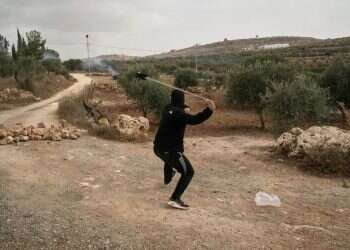
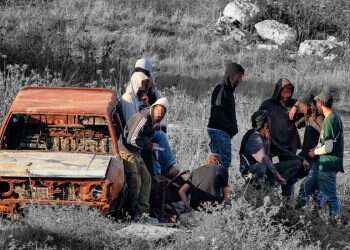
Amid a wave of violence in Judea and Samaria, the IDF says it cannot station soldiers everywhere and points to a lack of law enforcement. Police counter that the military is responsible for security in the area and must deploy more troops. Meanwhile, reinforcements are expected in olive-harvesting areas in the coming days.
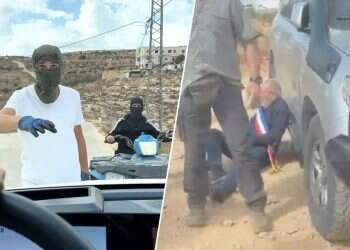
Following an attack that injured an American photographer and an assault on foreign diplomats in Judea and Samaria, the State Department expects answers. European officials are threatening sanctions, while the injured photographer denounced her attackers as "not even humans." No suspects have been arrested.
Images emerging from Judea and Samaria are making it increasingly difficult for Israeli diplomats to defend what is happening, while Washington's patience is wearing thin. Israeli officials recognize that the incidents have become a diplomatic problem. Meanwhile, the political leadership and security establishment are seeking new ways to curb the violence.
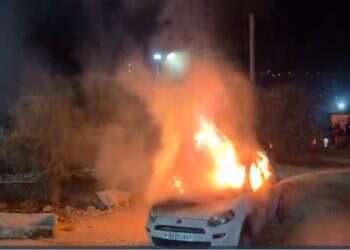
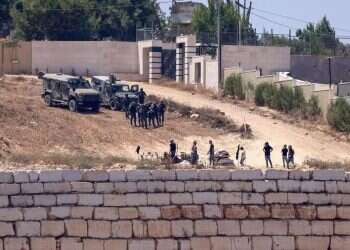
A coordinated military operation to return a displaced Palestinian family to their home in Samaria was violently derailed Monday night when over 100 Israeli rioters stormed the area, clashing with security forces and setting property ablaze.
The Attorney General's Office ordered the deadline for bids in a tender to build 1,234 housing units in E1 postponed by one month, pushing the next stage of the process until after the election. Reason cited: diplomatic sensitivity and concern that announcing winners before the vote could be viewed as election propaganda.
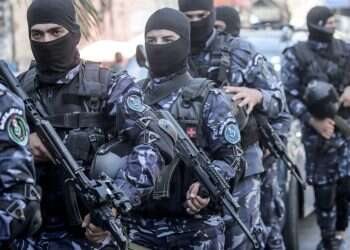
The Palestinian security apparatus is now equipped with armored vehicles and sniper rifles in breach of the Oslo Accords. Footage from Jericho shows Palestinian forces firing RPGs and heavy machine guns in combat drills. What is the PA preparing for?
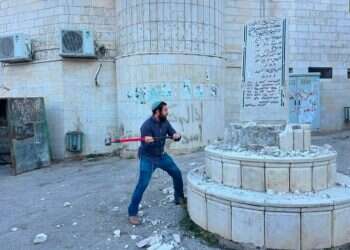
A controversial vigilante-style intervention by a MK Sukkot triggers a fierce debate over selective military escorts and security priorities. "A few days ago, I demanded that the army remove the monuments glorifying terrorists in the villages of Madama and Burin, but unfortunately they remained in place. Therefore I arrived myself and acted to remove them," Sukkot stated.
The Qusra incident is only a microcosm of what is happening across Judea and Samaria. The IDF is dealing with dozens of incidents and more than 100 farms, while officials on the ground accuse the police and Shin Bet of ineffectiveness. Concern is mounting that growing friction could trigger a renewed wave of Palestinian terrorism.