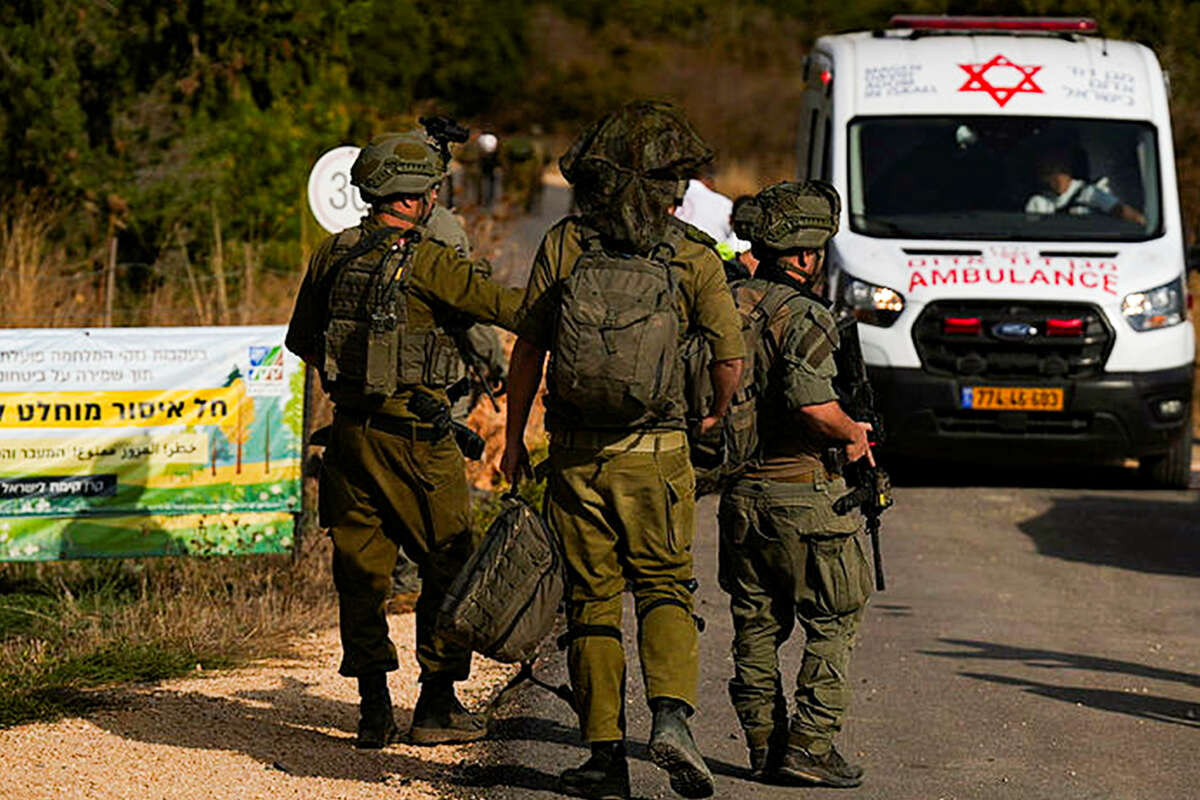
At the center of the investigation will be the question of who approved the hiking route. Which authority was responsible for searching the area, clearing it of unexploded ordnance and declaring it completely safe for hikers and schoolchildren? The war left behind areas that may still contain unexploded munitions, and reopening hiking trails required thorough, unequivocal clearance rather than automatic approval.
Beyond the IDF's responsibility, scrutiny is also turning directly to the Education Ministry's situation room, which is responsible for approving all off-campus school activities. Did its personnel know, or should they have known, about the danger posed by unexploded ordnance in the area? The first step is to establish what information they received from the military. If they already had such information, was it passed on to the school's trip coordinator and the staff leading the excursion?
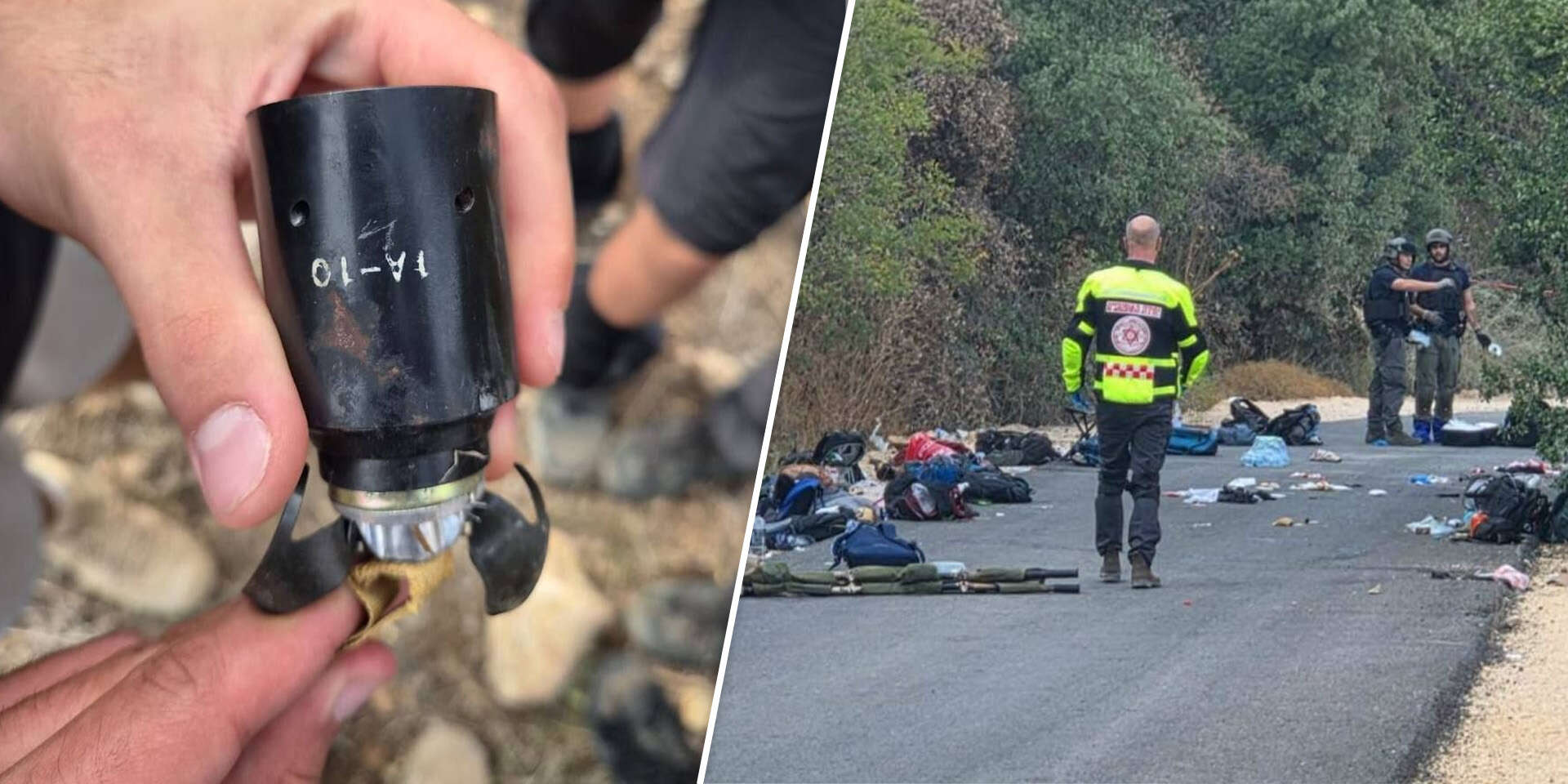
Another critical issue concerns what happened on the ground. What attention was paid to the warning signs posted throughout the area alerting visitors to the danger of unexploded ordnance? The most basic safety briefing before any school trip explicitly prohibits students from touching suspicious objects. The question is whether the principal, teachers and guides reinforced those instructions with the students before setting out on the trail.
If it is confirmed that the boy picked up the unexploded munition, investigators will need to determine how this escaped the attention of the accompanying staff and how such a deadly gap developed between the safety instructions and what actually happened on the ground.