To understand something profound about what Israeli society has endured over the past three years, look at its teachers and educators. They did more than keep the education system functioning amid an impossible reality. In many ways, they enabled an entire society to keep going, building resilience and social cohesion.
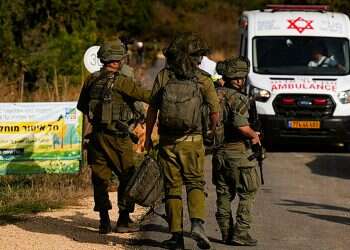
And they did so while living through that same reality themselves. They were evacuated from their homes, lived in hotels and temporary apartments, rushed to bomb shelters with their own children, and, in many cases, were called up for reserve duty.
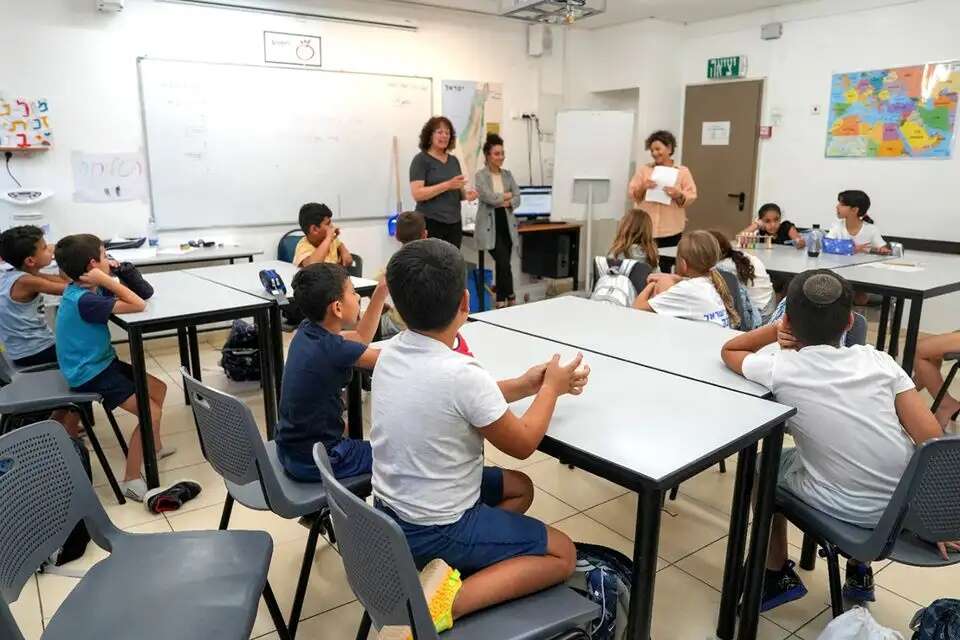
Amid the chaos, teachers searched for students who had been scattered among dozens of communities. Kindergarten teachers set up classes in hotels. Principals built education systems in places where, just a day earlier, there had been no classroom at all. Schools took in evacuated students, while staff created a sense of belonging within days for children who had been uprooted from their homes. There were no ready-made solutions. They invented them.
It was professionalism of an extraordinary kind. It was initiative, flexibility, creativity and leadership. And today, their role is even greater: Teachers and educators are a driving force in the recovery process. When a family returns to a community from which it was evacuated, it is not simply returning to a house. It has to return to a life. The family asks: Is there a kindergarten and a school? Have the children's friends come back? Is there a teacher who knows my child?
When strength becomes a problem
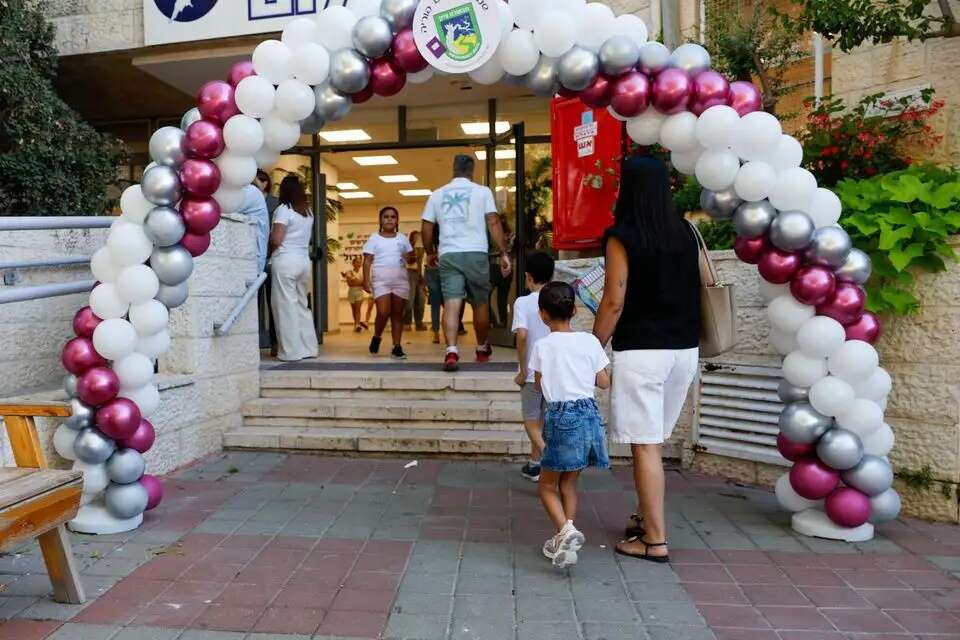
Educator Ida Singer was evacuated with her family. While her own life was being upended, she set out to find her students, who had been scattered across the country. At the same time, she served in the reserves as a casualty notification officer. This year, she took on the task of reopening and running HaNadiv Elementary School in Metula, which had been closed throughout the war and reopened only this year. From evacuation and emergency to return and rebuilding, Singer's story is, in many ways, the story of Israel's education system as a whole.
And after all this, of all the lessons that could have been learned from the past few years, some have chosen not to learn from teachers and educators, but rather to "teach them a lesson." These are the voices calling for their collective power to be dismantled and for them to be left without a representative union to protect them. And this is where the paradox becomes especially stark.
When the state needs them, everyone wants strong, independent, creative and enterprising teachers and educators with the judgment to act on their own. We want them capable of organizing quickly, making decisions and taking responsibility even under the most difficult conditions. But when they ask for that same collective strength to protect them too, to safeguard their pay, working conditions, job security and professional standing, that strength suddenly becomes a problem.
A labor union is not an optional extra in the education system. It ensures that those expected to shoulder enormous responsibility are not left alone to face an enormous system. The past few years have proved that teachers and educators are part of the infrastructure that keeps a society functioning in ordinary times, and certainly in times of crisis. The debate over their collective power is ultimately a debate over whether we know how to protect those who have proved that they know how to protect all of us.
The writer of this op-ed is the secretary-general of the Israel Teachers Union.