At the push of a button from space, an unprecedented international drama has revealed just how completely the modern battlefield depends on commercial satellite infrastructure and political decisions in Washington. Ukraine's military discovered over the past day that its satellite terminals stopped functioning when moving at speeds above 160 km/h (99 mph). The restriction, which was imposed suddenly and without any prior warning, dealt a severe blow to Kyiv's air defense array and neutralized the fast interceptor drones used to down Russian Shahed attacks.
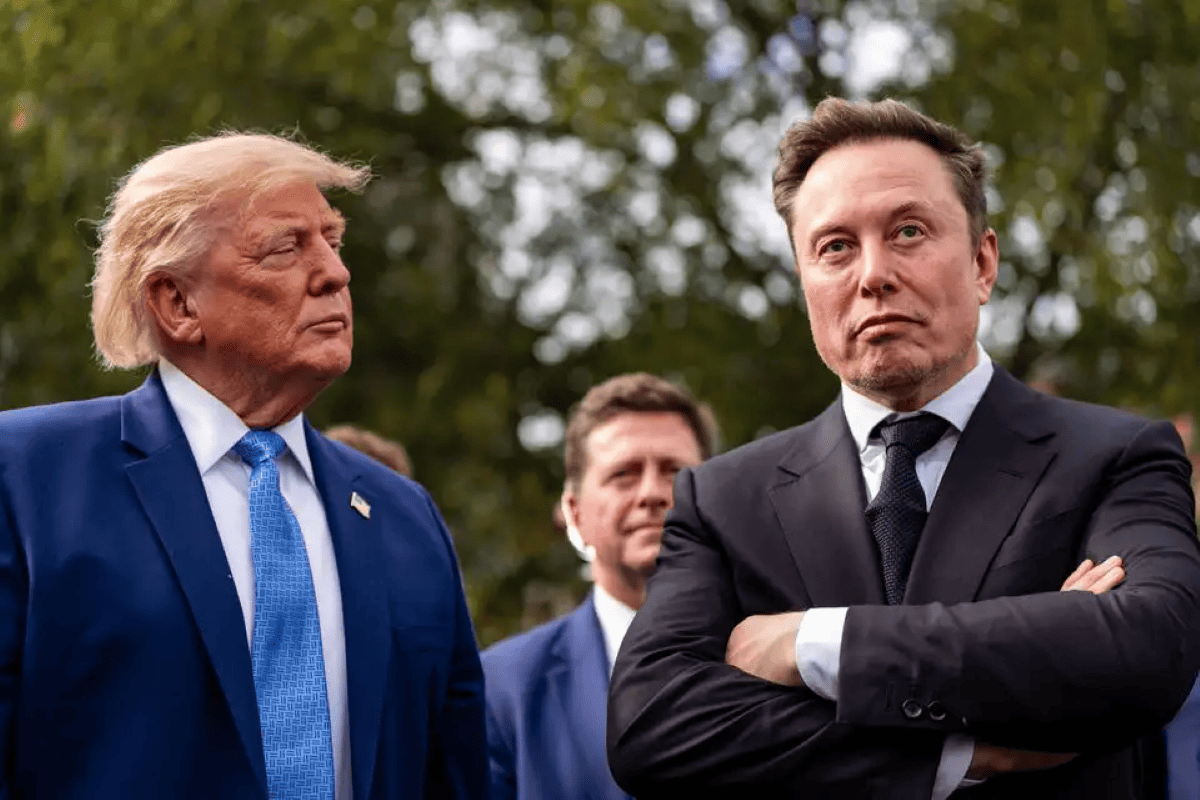
While Ukrainian President Volodymyr Zelenskyy sharply attacked the move, calling it a "betrayal" and a "decision [that] will bring a lot of human losses," SpaceX CEO Elon Musk quickly pushed back against the accusations against his company – shifting responsibility directly onto the White House.
Starshield systems are owned and controlled by the US government. Any limits on speed or usage are decided by the US military and ultimately POTUS. Starlink is a commercial service owned and controlled by SpaceX. Usage of Starlink is limited to civilian or defensive activities and cannot be used for offensive military action, as doing so would be inappropriate for a commercial company.
— Elon Musk (@elonmusk) October 14, 2026
"Starshield systems are owned and controlled by the US government," Musk wrote on his X account. According to him, "Any limits on speed or usage are decided by the US military and ultimately POTUS."
The 160 km/h limit
During the war, Ukraine's military installed miniature satellite receivers inside fast attack drones, which served as a precise real-time guidance system. The most central and critical use was against Russian explosive drones of the Shahed 136 model.
Russian Shahed drones fly at speeds of roughly 320 km/h (199 mph). The moment the 160 km/h (99 mph) cutoff was imposed, Ukraine's interceptor drones – Kyiv's most effective and cheapest solution for closing the speed gap with the Shahed drones – lost their satellite link the instant they accelerated into pursuit, and crashed or veered off course. The restriction arrived just as Russia intensified its missile and drone attacks on Kyiv's power and heating infrastructure, which drew sharp criticism, since the city's residents were left without advance warnings and without effective protection.
Only after a public outcry from former Ukrainian defense minister Mykhailo Fedorov was the restriction partially lifted for the civilian network, but Fedorov stressed, "Removing the Starshield speed limit entirely is a critical, life-saving necessity for Ukraine's defense."

Two networks, one infrastructure
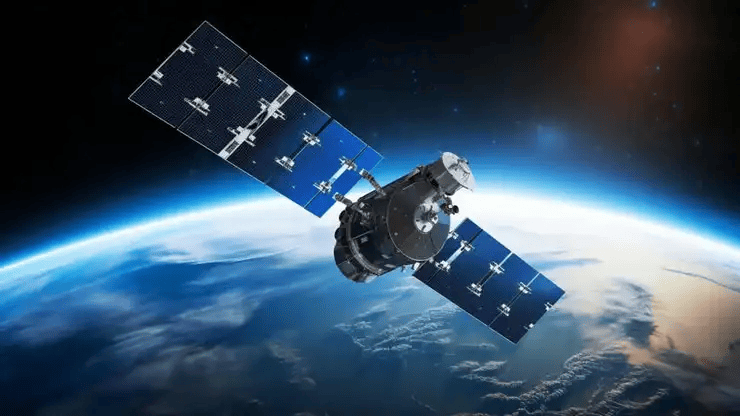
The affair shed light on the fundamental difference between SpaceX's two brands, which in fact share the same 11,000 satellites in low orbit around Earth.
Although the two systems share the same satellite infrastructure, the differences between the civilian Starlink network and the military Starshield are sharp and fundamental. Starlink operates as a commercial internet network owned and exclusively managed by SpaceX, with Elon Musk having explicitly banned its use for offensive military operations, while Starshield is a dedicated military and intelligence system for the Pentagon, owned, supervised, and under the full operational control of the US government and military.
Accordingly, Starshield is authorized and pre-designed for sensitive combat missions, including weapons guidance, intelligence gathering, and encrypted battlefield communications. The gap in purpose is also reflected in the specifications and price. A standard Starlink field terminal offers civilian-grade encryption at a cost of roughly $5,000, while a Starshield military terminal features heavy encryption, separate network gateways, and advanced resilience against electronic warfare, with a price tag that jumps to roughly $25,000 per unit.
Fuel prices, the midterms, and Zelenskyy's fury
Behind the technical glitch lies a sharp geopolitical clash between Kyiv and Washington. US President Donald Trump, facing critical congressional midterm elections next month, is deeply troubled by rising gasoline and diesel prices in the US. Trump has repeatedly accused Ukrainian drone strikes on oil refineries deep inside Russia of shrinking the global oil supply and driving up prices for American consumers.
Senior officials in Kyiv confirmed that in recent days, the US administration threatened to halt intelligence sharing on Russian missile launches and even pushed for an "energy ceasefire," under which the US agreed to buy diesel from Russia. The move drew sharp criticism even from Italian Prime Minister Giorgia Meloni, who called it "granting legitimacy to Moscow while bombs fall on civilians."
In a media interview, Zelenskyy said he feels betrayed, stating, "It's a pity that we are losing a strong partner."

In Washington, the move immediately sparked a political uproar. Democrats on the House Foreign Affairs Committee accused Trump of "making a choice that directly assists Putin's massacre of Ukrainian civilians," while Democratic Senator Jeanne Shaheen demanded urgent clarifications from Defense Secretary Pete Hegseth. Criticism was also heard within the Republican Party. Senator Thom Tillis said that support for Ukrainian sovereignty should not be a gray area for the US government or American corporations.
The current incident demonstrates the danger inherent in military reliance on commercial companies and government contracts containing ambiguous clauses. While Musk has been careful to present himself as someone who plays by the rules and does not allow a private company to take part in offensive operations, handing control of Starshield over to the Pentagon turned the on-off switch into a direct political bargaining tool for the president.
For Ukraine, which temporarily lost the ability to defend its capital's skies with advanced weaponry, the message is sharp and clear. Even in a world of advanced satellites and artificial intelligence, a single political order can change the balance of power on the front line within seconds.