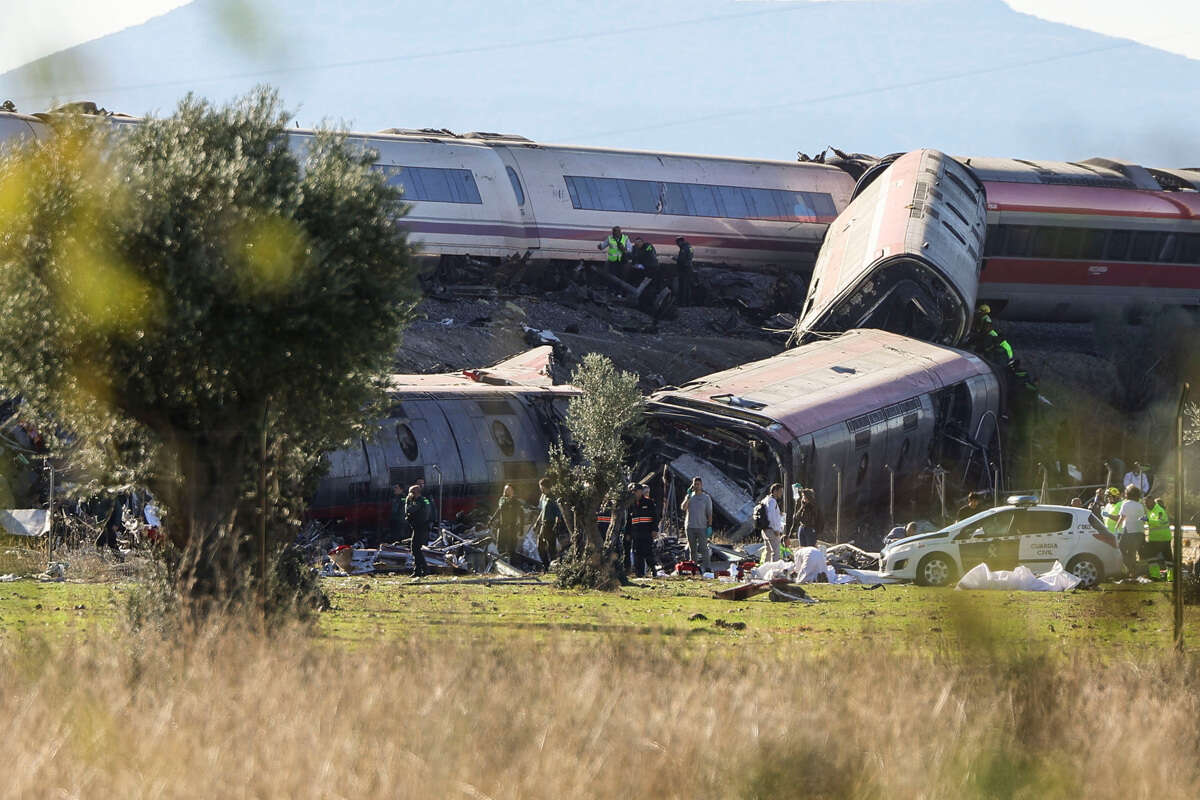
Following a major rail disaster in Spain on Wednesday, officials halted travel on the Madrid to Andalusia corridor, Reuters reported. The national railway firm withheld specifics initially but confirmed the structural disruption. More than 60 could be dead, according to some reports, although the official count was initially confirmed at 10.

"Traffic on the Madrid-Andalusia high-speed rail line has been suspended following a rear-end collision between two trains," the operator announced on X, via Reuters.
First responders rushed to Toledo province near Los Yebenes shortly after 9 a.m., where bystanders observed multiple casualties, according to El Pais. The Spanish newspaper detailed that two carriages derailed, plunging down a slope. Reuters continues monitoring this ongoing event.
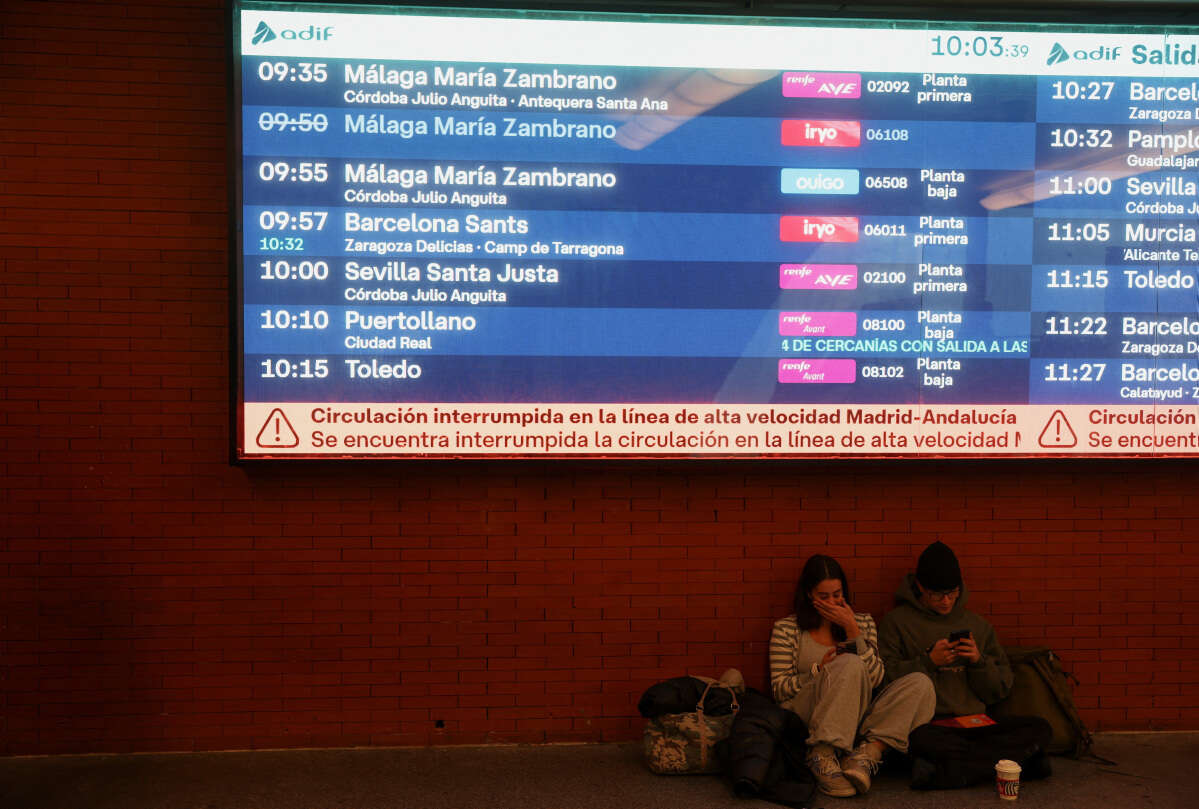
Posting online, Prime Minister Pedro Sanchez shared he felt completely "dismayed", offering profound "solidarity and support to the victims and their families". In a related headline, the leader was described as being "dismayed" while sending his "solidarity and support for the victims and their families". Rescue crews were actively deployed to manage "the affected people and guarantee their safety", the leader emphasized.
🔴ÚLTIMA HORA | Accidente ferroviario en la línea de alta velocidad entre Los Yébenes y Urda.
Al parecer en el accidente estarían implicados un tren AVE de Renfe y uno de Iryo.
Lo contamos en https://t.co/2A3tQBLvV0 https://t.co/3ygGNbwKoK
— Capital Radio (@capitalradiob) October 28, 2026
Ahead of the November 29 elections, Podemos representative Irene Montero echoed this urgency by calling the casualties her "top priority". She urged the public online, "Let's make the work of the emergency services easier and be attentive to official information". Left-wing coalition Frente Amplio subsequently postponed all scheduled campaign rallies.
A traveler described the dramatic scene indicating: "It is terrible, unspeakable," a statement that another passenger seconded almost immediately assuring: "It is terrible, unspeakable." Impacting an inactive transport, the high-speed vehicle precipitated three cars down a ravine, trapping more than five occupants. Renfe paralyzed trips toward the south, activating telephone crisis assistance, while soldiers rushed to the urgent rescue.
Cristina Cuerva, an affected passenger, commented to El País correspondents that the journey suffered "several stops due to traffic accumulation." Delving into the experienced panic, she recounted: "There were several stops until a very hard braking occurred and now I only remember spinning on the floor." In a prior moment of shock she had also stated: "I only remember spinning on the floor." Evaluating the rescue deployment, she added: "Emergency services are doing what they can," warning about the presence of "many and very seriously injured."
From Brussels, Ursula von der Leyen labeled the event "terrible," leading condolences with the proclamation: "Europe weeps with you," and then adding directly: "My deepest condolences to the families and loved ones of the victims. Today, Europe weeps with you." Roberta Metsola, parliamentary leader cited by El País, showed herself "deeply dismayed" by the "tragic accident." She expressed her "sincere gratitude to the emergency services working tirelessly at the scene of the disaster," concluding in solidarity: "Spain is in my thoughts and my heart."