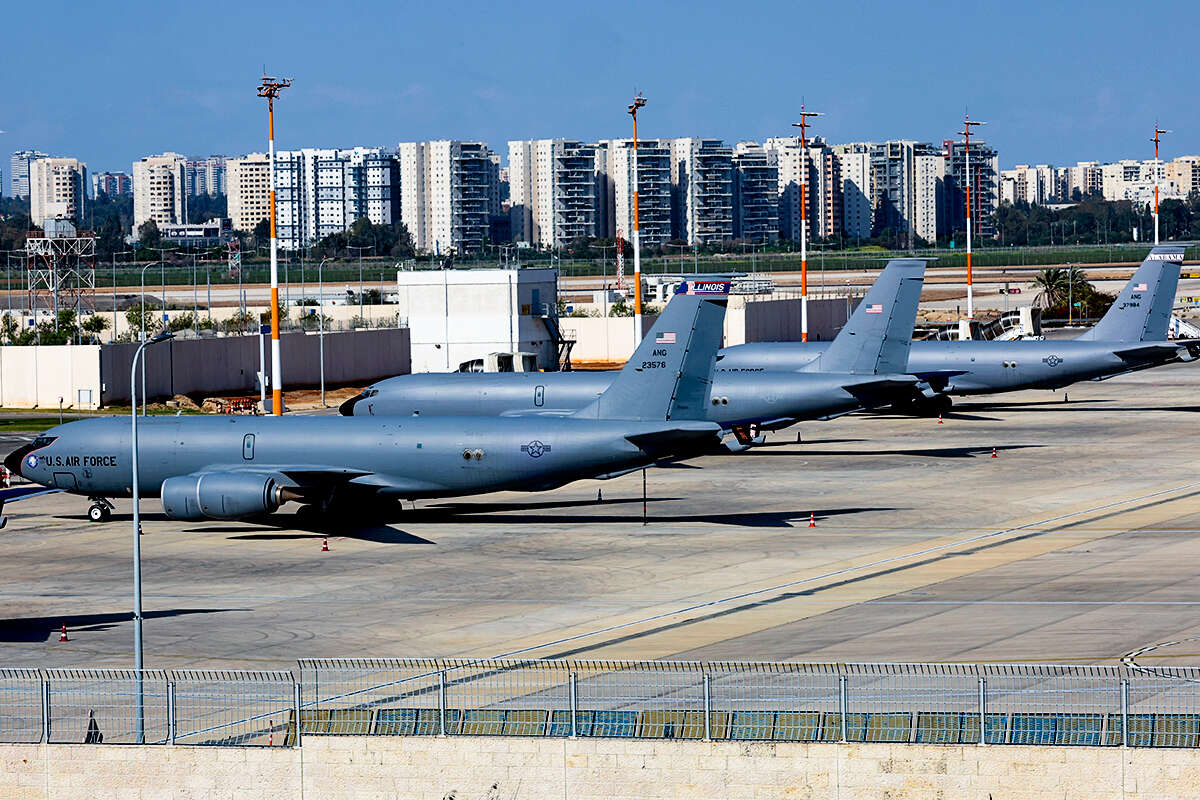
Amid growing concerns over renewed fighting between Israel and Iran, Israel's aviation industry is once again preparing for the possibility of an airspace closure and a temporary suspension of operations at Ben Gurion Airport. However, rather than planning for a prolonged shutdown, senior aviation industry officials told Israel Hayom that the proposed strategy calls for keeping any closure as brief as possible and quickly resuming limited operations.
According to the officials, the plan is to close Ben Gurion Airport for no more than 12 hours if another round of fighting breaks out, before gradually resuming flights, subject to security assessments. Initially, the airport would operate under severe restrictions, allowing just two flights per hour and limiting the number of passengers on each flight.
The plan is intended to minimize disruption to passenger travel and maintain air links with Israel even during wartime. However, any resumption of operations would depend on security developments, directives from Israeli defense authorities and the ability to safely operate the airport.
Even after Ben Gurion Airport reopens, operations are unlikely to return to normal immediately. Restrictions on flight frequencies and passenger numbers could lead to cancellations, delays and the need to prioritize certain flights, particularly if demand for travel into or out of Israel exceeds the airport's permitted capacity.

Airlines are in no rush to return
As Israel prepares for the possibility of another escalation, the continuing aviation crisis in the United Arab Emirates illustrates how the effects of a regional war can persist long after airports resume operations.
According to reports, at least 16 airlines based outside the Gulf states are still not operating flights to Dubai. Some have already announced that they will not return until spring 2027. The suspensions have dealt a significant blow to international connectivity at one of the world's busiest aviation hubs, even as the airport itself remains operational and local carriers such as Emirates and flydubai continue to operate extensive flight schedules.
Dutch carrier KLM, for example, has announced that it will not resume flights to Dubai until March 27, 2027, while Singapore Airlines has extended its suspension through the end of February. Finnair has canceled its Dubai services for the entire winter season, Air Canada has extended its suspension through the end of March, and Hong Kong-based Cathay Pacific has postponed its return until the end of January.
The Lufthansa Group, which has already resumed flights to Israel, has also decided to delay the return of its airlines to Dubai until Nov. 25. British Airways, meanwhile, plans to resume Dubai services on Nov. 3, having restarted flights to Israel on Oct. 25.
As previous rounds of fighting have demonstrated, each airline makes its own decision about when to resume operations, based on risk assessments, airspace restrictions, operating costs and commercial considerations.
Could Israel be next?
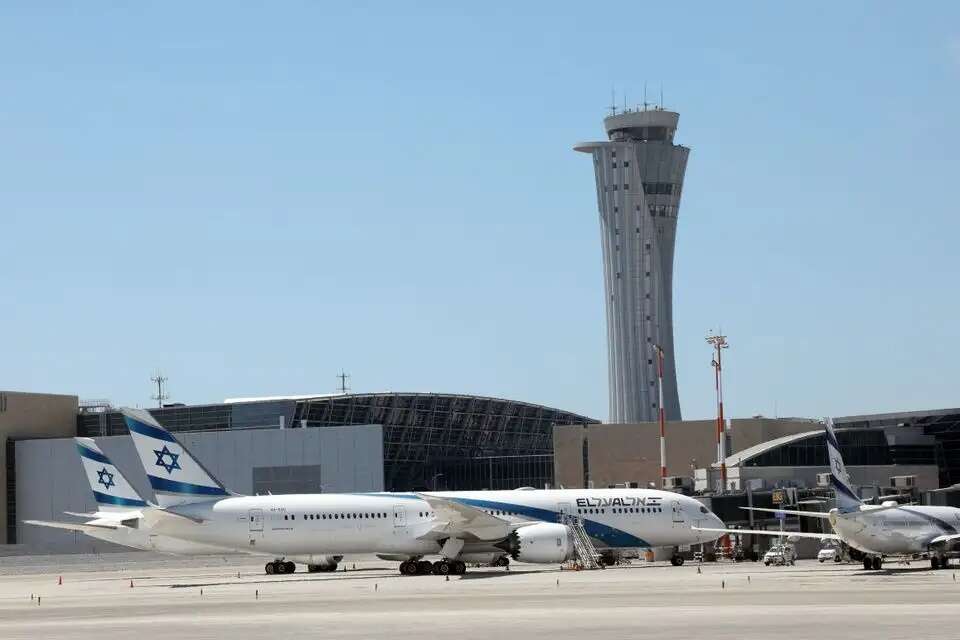
For Israel's aviation industry, this is one of the main concerns as the possibility of renewed fighting looms. Even if Ben Gurion Airport closes for just 12 hours, as envisioned under the proposed plan, there is no guarantee that foreign airlines will resume service immediately after it reopens.
International carriers could decide to suspend flights for considerably longer periods, even if Israeli airspace remains open. In such cases, the length of the disruption experienced by passengers depends not only on decisions made by Israeli authorities but also on airline management and their security teams.
If foreign carriers once again suspend flights to Ben Gurion Airport, the consequences for Israeli travelers could be substantial: fewer available seats, reduced competition, higher airfares and fewer options for reaching destinations around the world.