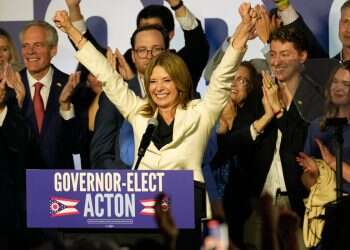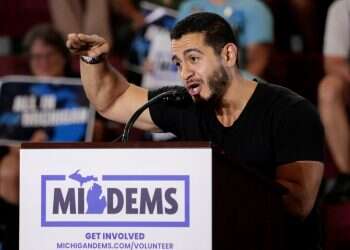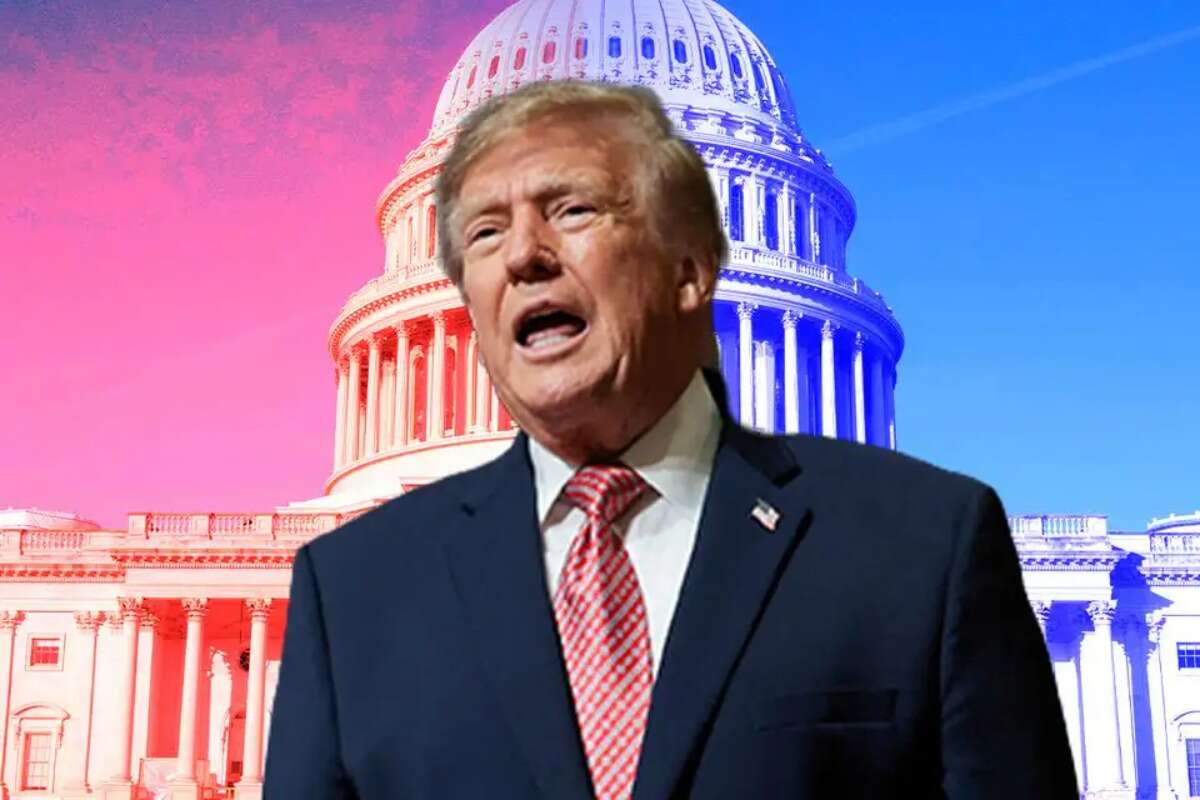
Trump struck a conciliatory note on Tuesday night, telling The New York Times he was "absolutely willing" to accept the midterms election outcome and stood ready to partner with Democrats.
"We'll, you know, look forward to working with them," the president said by phone to The Times. "We'll probably work something out." Blame for his party's defeats fell, in his telling, on his own absence from the ballot, and he defended the choice to strike Iran as a "very wise decision." No remorse trailed his endorsements either, he said, among them Senator Darline Graham, a South Carolina Republican, and the Texas attorney general, Ken Paxton, each beaten in a Senate race.
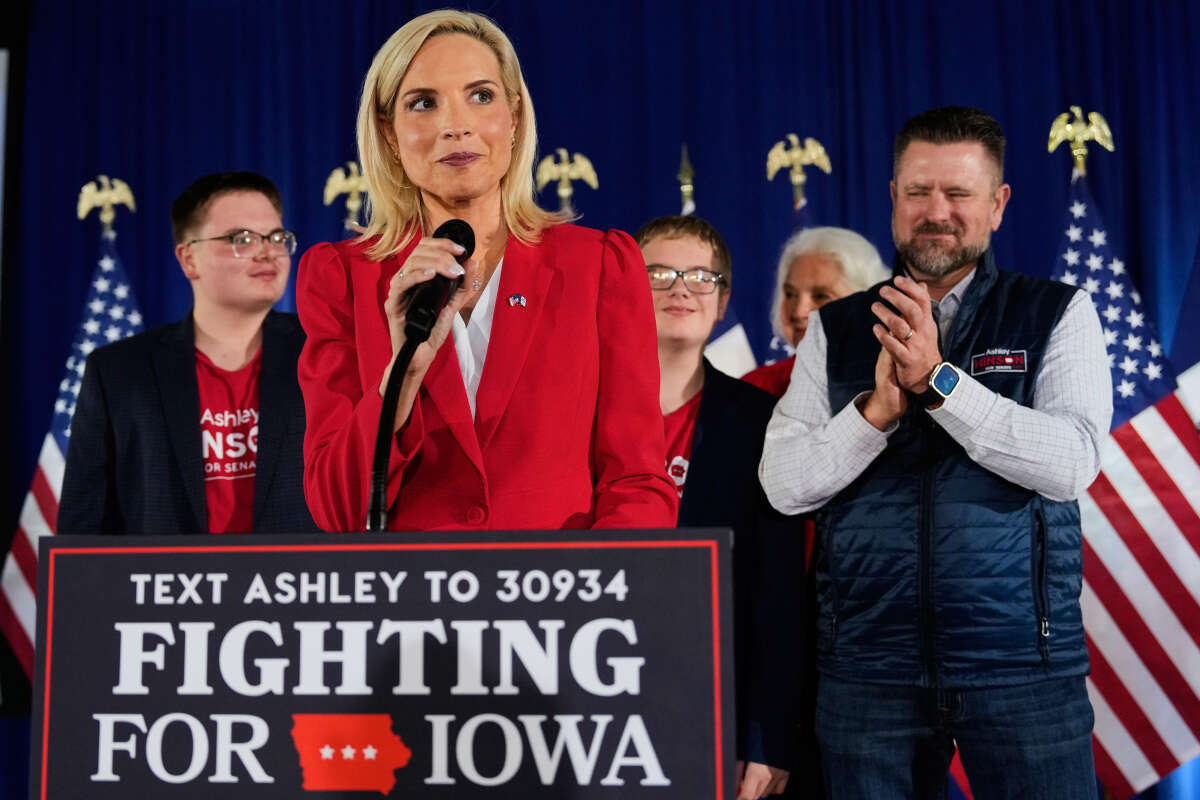
Near half past ten that night, while tracking returns from the White House as Democrats bore down on both chambers, the president was on the line. "I'm just looking at these results as I'm talking," he said, then marveled: "I see that Darline lost. Wow, that's amazing. How do you think Lindsey would have done if he ran?" His subject was the late Senator Lindsey Graham, who died in July; Graham, by Trump's reckoning, would probably have prevailed.
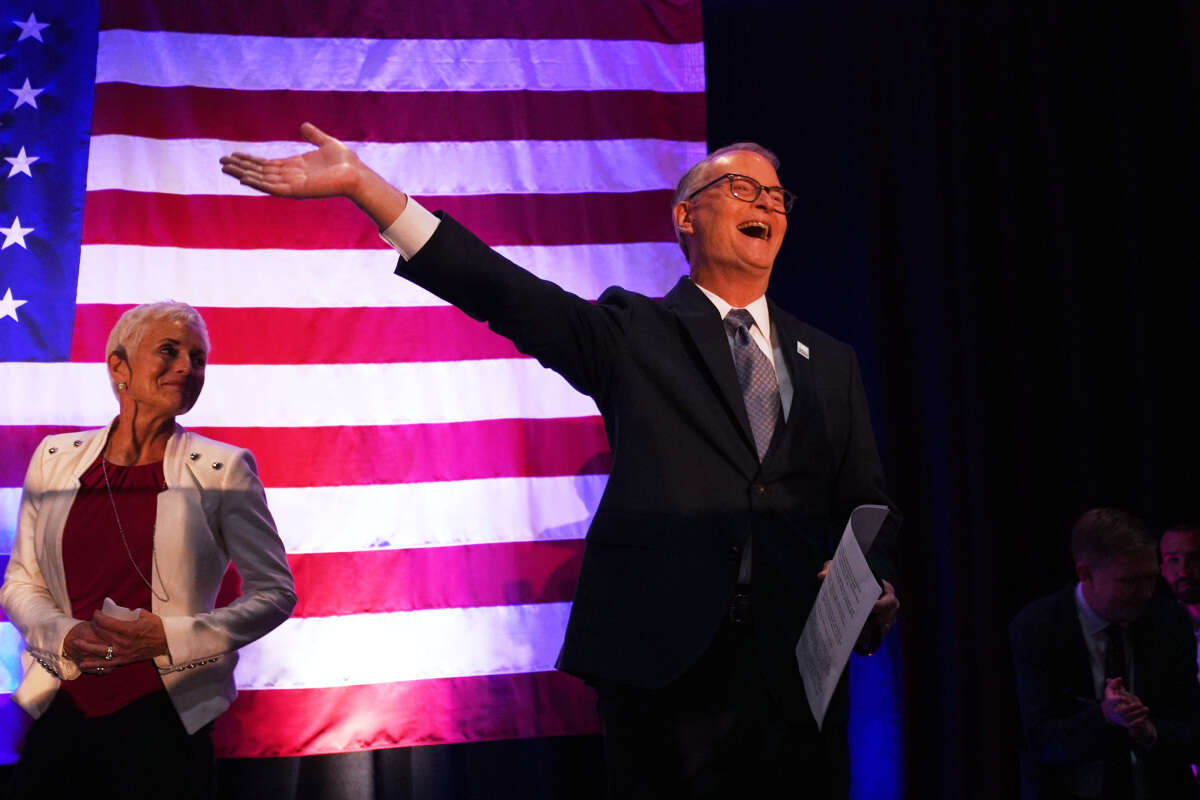
His tone grew muted as Democratic gains piled up, yet regret over his second term so far was something he disowned. "I consider it to be the most successful two-year period in the history of any president," he said.
The pledge to honor the vote capped a year of Trump questioning how trustworthy elections are, and Homeland Security chose Tuesday to trumpet the arrest of noncitizen voters it had scarcely managed to find. Earlier, aides had clustered around him in the East Room, among them JD Vance, Marco Rubio, Todd Blanche and Howard Lutnick, in what some on hand called a "dark" and "funereal" scene. Guests slipped away before ten, certain allies privately relieved to be elsewhere, as the president lashed out at staff over bad polling, people familiar with the evening told The New York Times.