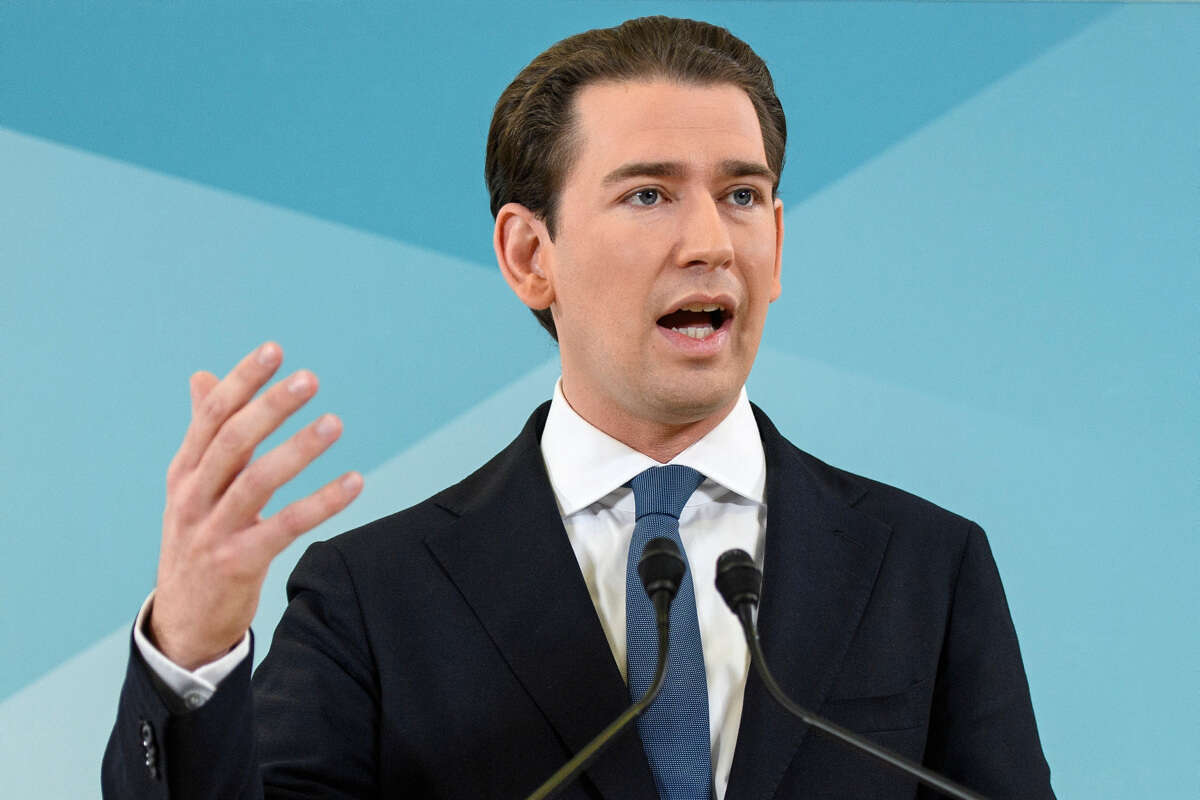
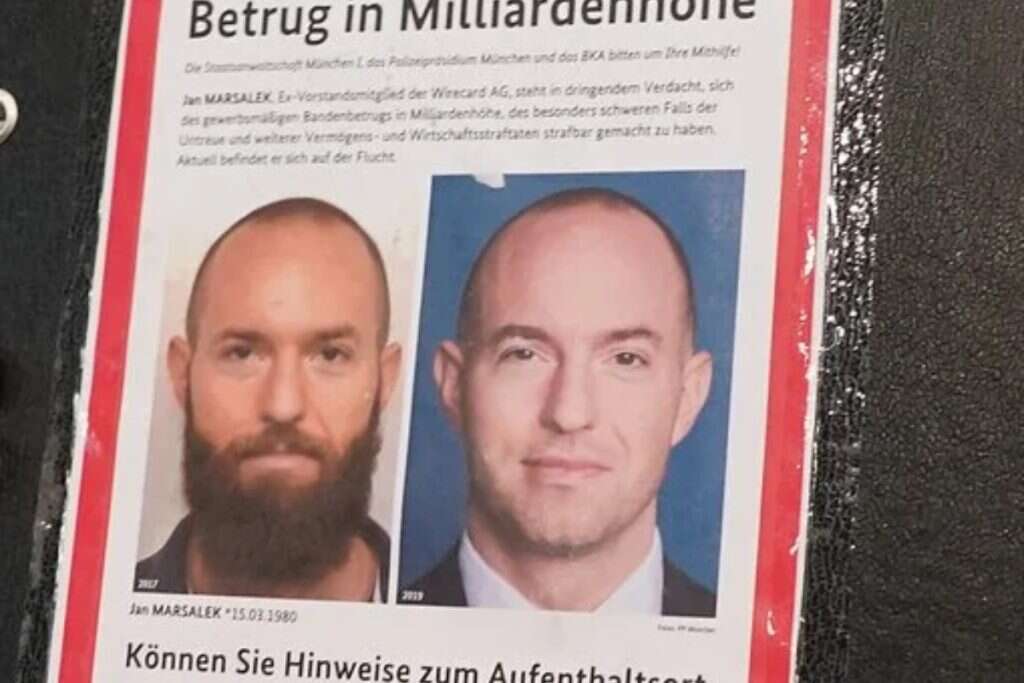
Jan Marsalek, a Russian spymaster, boasted to ringleader Orlin Roussev, later jailed in Britain for espionage, that he helped oust Austrian Chancellor Sebastian Kurz, GB News reported, citing a new investigation.
Police records show Marsalek describing an operation that had "successfully toppled" the chancellor, who resigned in October 2021 amid corruption allegations. If accurate, Marsalek's claims would point to the Russian state directly meddling in the leadership of an EU country.
Security agencies have long judged that the Kremlin seeks to destabilize European governments. Marsalek, a fugitive since Wirecard collapsed in June 2020 with a £1.6 billion (about $2.1 billion) shortfall, is among the most wanted.
British police call his espionage "industrial" in scale, and Austria, his homeland, and other countries are seeking him over fraud. Later revelations showed Marsalek had worked for the Kremlin for over a decade, mainly serving Vladimir Putin's Federal Security Service from Moscow.
In a message dated October 22, 2021, Marsalek, using the alias "Rupert Ticz", wrote that "we've successfully toppled" the chancellor "by confiscating the mobile phone" of the person "who's managing their secret campaign financing", the Telegraph disclosed. He then reportedly shared a link on Kurz's corruption allegations and the seized device of Thomas Schmid, a former senior finance ministry official close to Kurz.
Austrian investigators concluded that "Marsalek stated unequivocally that 'they' had 'toppled' the chancellor in a successful operation" and that he "admitted to Roussev that he had been involved in the confiscation of this mobile phone".
The files do not independently confirm that Marsalek orchestrated Schmid's phone seizure in November 2019. Investigators were unsure whether "the guy" who had worked "for us" meant Wirecard or a Russian intelligence agency. The documents indicate that the inquiry is still ongoing.
Kurz declined to comment to the Telegraph; sources close to him said he saw the allegations as politically driven.
Iain Duncan Smith, co-chair of an all-party parliamentary group on Magnitsky sanctions, said the findings showed how "brazen" Russia has become. He told the Telegraph: "They don't even care if people believe they are doing it. They think we are very weak on it all, that we can't retaliate so they just have free rein."
A member of the defense select committee from Labour, Graeme Downie called the revelations "worrying". He added: "Ultimately, Putin's strategic goal is to fundamentally split democracies from each other." Robert Clark at the Yorktown Institute, based in Washington, noted that Vienna hosts one of Europe's largest Russian diplomatic contingents, over 500 personnel, many undercover operatives. RUSI's Ed Arnold cautioned that Marsalek could be "overplaying his hand" and suggested, "if you want to make a name for yourself in this world as some kind of fixer, you need some kudos."