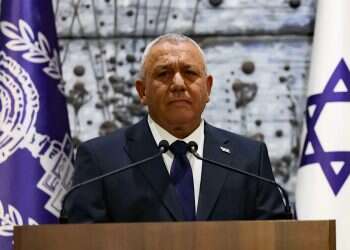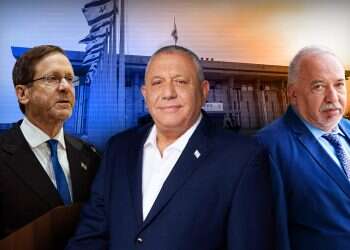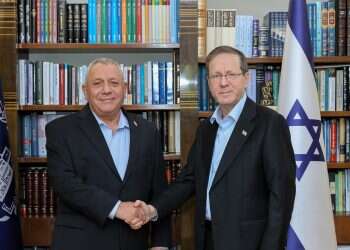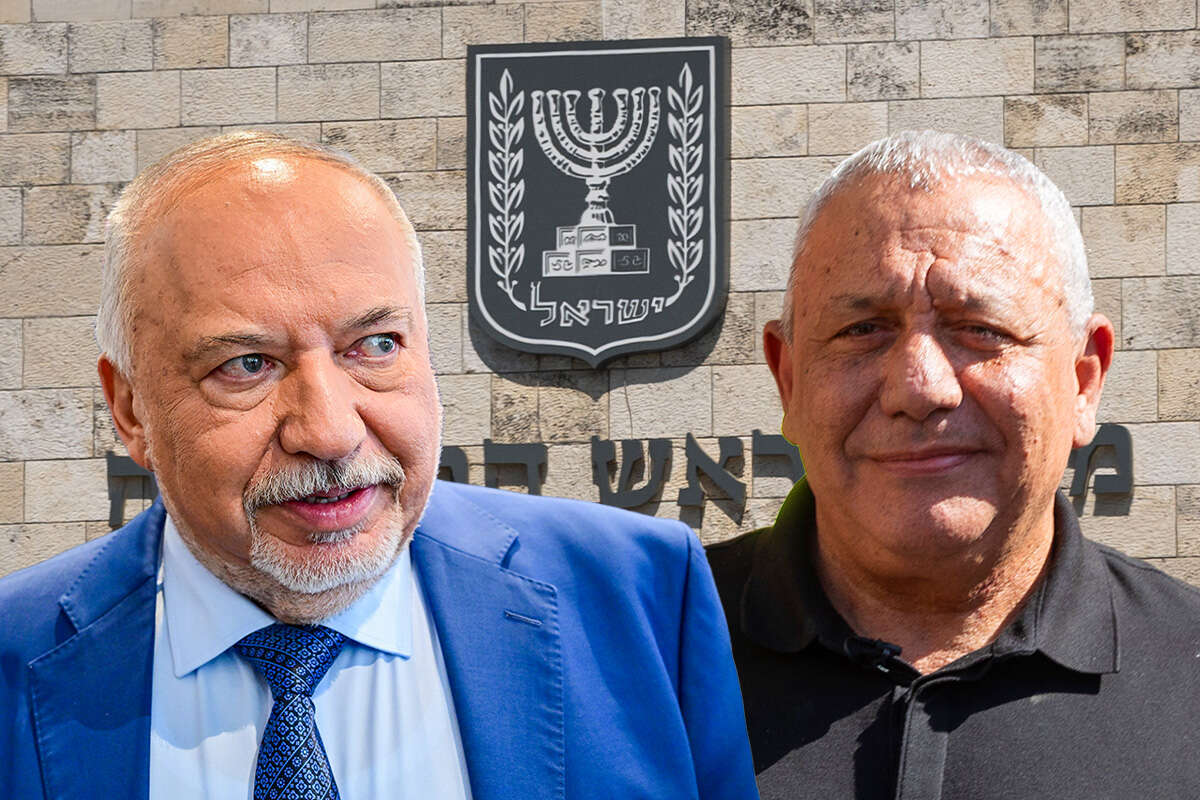
Yashar! Chairman Gadi Eisenkot and Yisrael Beytenu Chairman Avigdor Liberman met Monday for talks described as productive and positive. Both expressed full confidence in their ability to form a stable government that would serve a full four-year term.
After President Isaac Herzog tasked Eisenkot with forming a government on Saturday, the 28-day period allotted to him began Sunday. His mandate is set to expire on Dec. 6. If Eisenkot fails to form a government by then, the president may grant him an extension of up to 14 days.
The coming weeks are therefore expected to see intensive political negotiations that will determine whether Eisenkot can assemble a government or whether other political options will have to be explored.
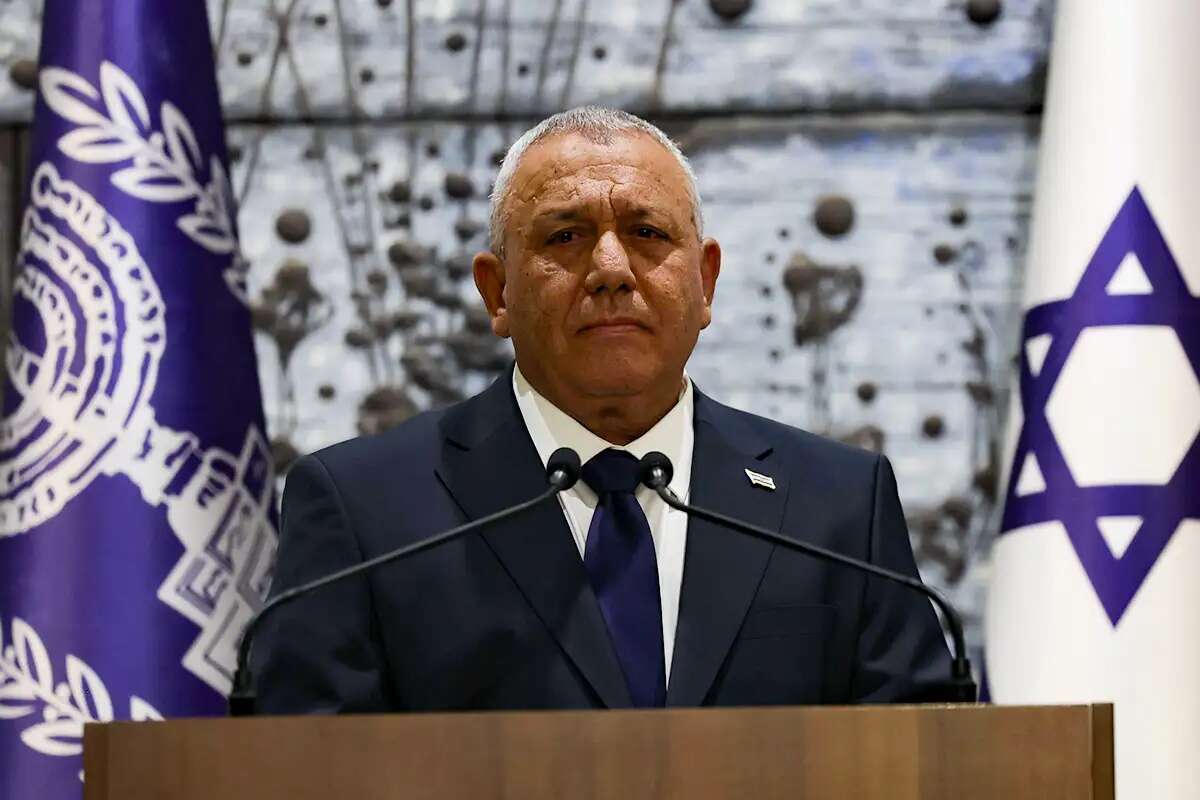
Although Eisenkot secured recommendations from 67 Knesset members, compared with just 46 who backed Prime Minister Benjamin Netanyahu, significant obstacles remain. The Arab parties were among those that recommended the Yashar! chairman, but Liberman refuses to rely on their support. Without Liberman, Eisenkot would lose the majority needed to form a government.
Against this backdrop , Netanyahu renewed his call for a unity government under his leadership, bringing together the Zionist and ultra-Orthodox parties. In a video he released, Netanyahu argued that a government dependent on "Hamas supporters" could not be formed.
Talks with ultra-Orthodox parties and dispute over Knesset speaker
One of the central issues in the coalition negotiations is whether to bring the ultra-Orthodox parties into the government. Eisenkot's associates are exploring the possibility of forming a coalition that includes United Torah Judaism and relies on Ra'am abstaining in a confidence vote. Liberman, meanwhile, favors a coalition that includes both ultra-Orthodox parties without depending on the Arab parties.
Although Liberman dropped his opposition to including the ultra-Orthodox parties in the government over the weekend, he made clear that he remains opposed to forming a minority government.
Negotiating teams from the change bloc parties gathered Sunday evening at the Dan Accadia Hotel in Herzliya, continuing discussions on the prospective government's guiding principles, the distribution of ministerial portfolios and coalition agreements.
At this stage, talks are focused primarily on the bloc's four parties, which together hold 48 Knesset seats. United Torah Judaism has expressed willingness to join a government led by Eisenkot but has made its participation conditional on agreements over legislation governing ultra-Orthodox military conscription, an issue that remains unresolved.
Meanwhile, the change bloc parties have reached an agreement on their candidate for the next Knesset speaker.
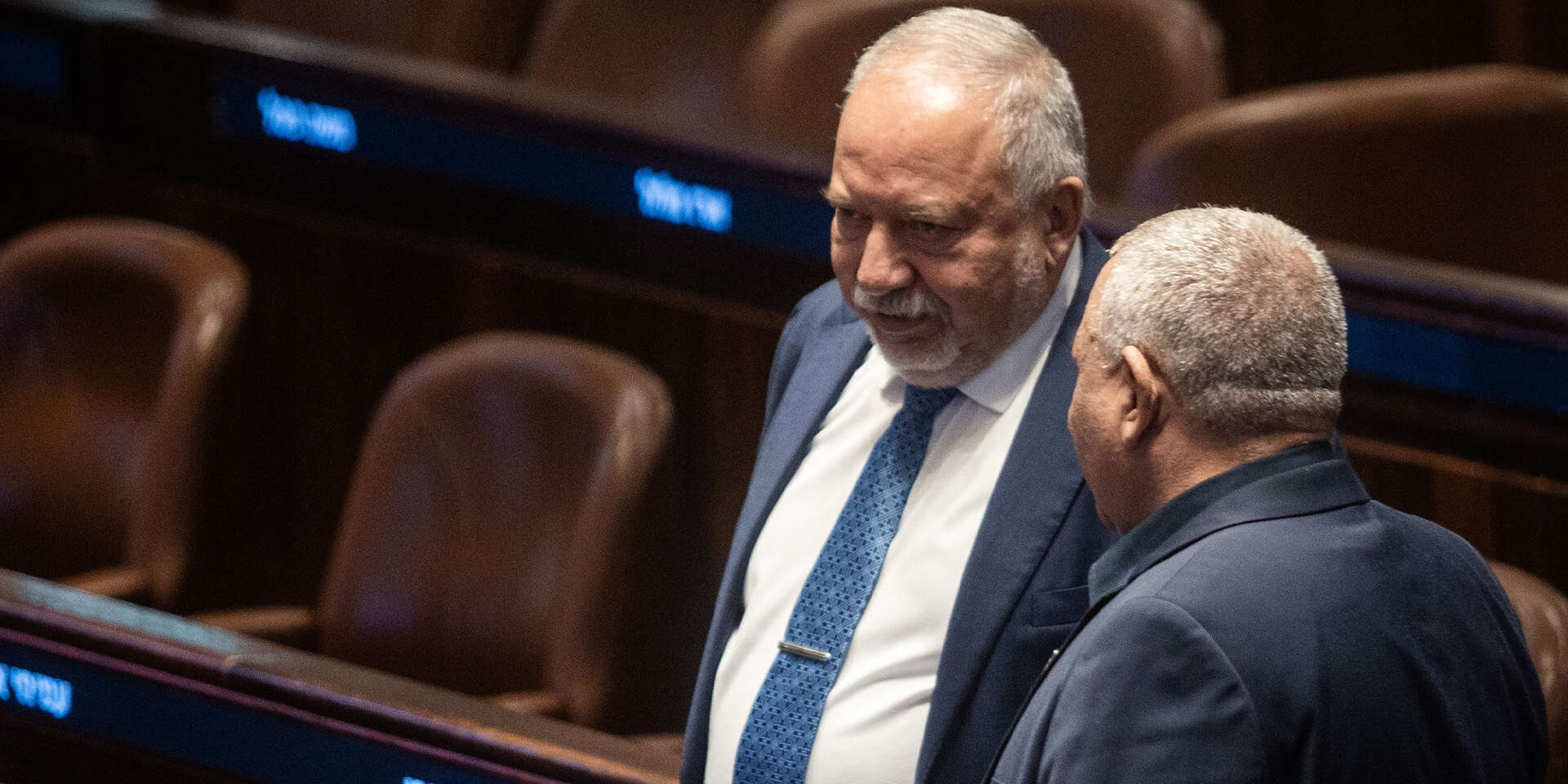
Background conversations conducted by Israel Hayom in recent days with figures in the bloc revealed the disagreements that preceded the apparent consensus. Yisrael Beytenu insisted that the speakership remain in its hands, with party officials also taking jabs at Yashar! representatives over their lack of parliamentary experience.
On the other side, Yashar! officials made clear in informal discussions that Eisenkot had no intention of relinquishing the position. The dispute also unfolded against the backdrop of Liberman's support for appointing Yair Lapid.
According to political assessments, barring a last-minute change, Eisenkot himself will be the change bloc's candidate for Knesset speaker.
The idea behind the negotiations was to appoint one of the party leaders to the position, on the understanding that the individual would resign once a government was formed.
The move carries particular significance because removing a sitting Knesset speaker requires a majority of 90 of the 120 Knesset members. The bloc therefore wants to ensure that whoever replaces current Speaker Amir Ohana will agree to step down voluntarily once the new government is established.