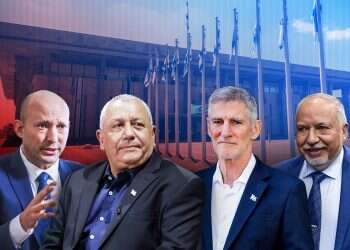
"Ra'am could be a nice addition, but first we'll bring in the ultra-Orthodox parties, and Yisrael Beytenu will fall into line too," an MK from one of the parties in the change bloc told Israel Hayom over the weekend.
The remarks offer a glimpse into the closed-door discussions held among members of the bloc in recent weeks. The central disagreement concerns the bloc's next steps and how to proceed. One point of contention is who should serve as Knesset speaker. Yisrael Beytenu Chairman Avigdor Lieberman made clear over the weekend that he supports Yair Lapid for the position, as Israel Hayom previously reported.
Don't overplay your hand
Another disagreement that has spilled into the open concerns bringing the ultra-Orthodox parties into the coalition. Members of the change bloc believe Shas will only come on board once it receives the seal of approval from the Ashkenazi ultra-Orthodox United Torah Judaism party. That would make it easier for Shas Chairman Aryeh Deri to sell the move to his voters: If the Ashkenazi ultra-Orthodox parties have given their blessing, the Sephardi ultra-Orthodox community cannot afford to be left empty-handed.
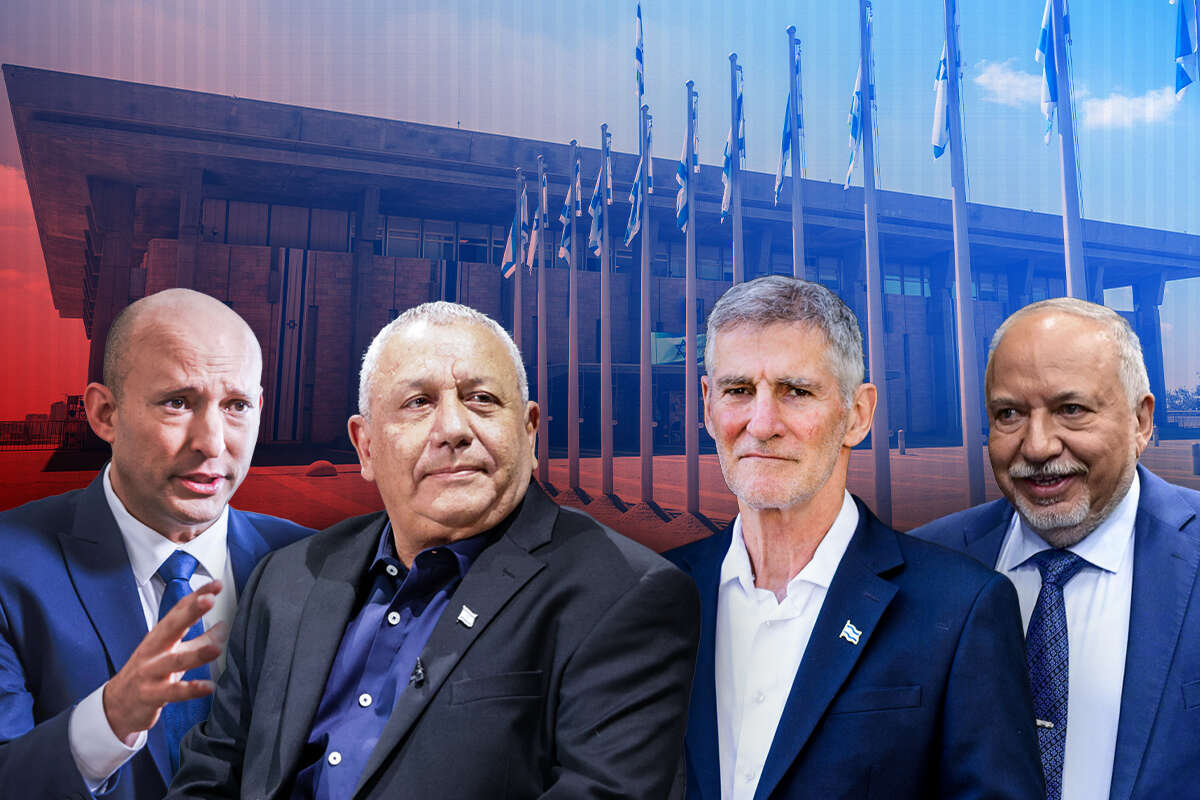
The question now facing the change bloc is what price it will have to pay. Lieberman addressed the issue over the weekend, offering a glimpse of the discussions taking place behind closed doors.
"On all other issues, it is both possible and desirable to show flexibility and compromise, and to recognize that trying to achieve too much can leave you with nothing," he said. "That includes the military draft law. This is painful for me, and I know it is painful for many others as well. But given the many challenges we face today, the national interest of the State of Israel and the Jewish people must take precedence over every other consideration."
By contrast, Gadi Eisenkot reiterated the four principles he has laid out, one of which is mandatory service for all. "I intend to approach all Knesset factions and invite their members to join us, provided they are willing to sign on to these principles under my leadership. Now or later," Eisenkot said.
Democrats Chairman Yair Golan, meanwhile, wrote: "We are not looking to punish the ultra-Orthodox. We want a partnership with the ultra-Orthodox community, but a genuine partnership requires mutual responsibility. Ultra-Orthodox men must be drafted. We must also expand their participation in the workforce and ensure that every child in Israel has the tools to earn a decent living. The middle class cannot continue to shoulder the economic and security burden alone. We are extending a hand out of a genuine desire to establish a government of change. Under no circumstances are we giving anyone a blank check. Anyone who wants to work with us will have to be prepared to make changes."
For now, Yachad Chairman Naftali Bennett is keeping silent.
Where has Netanyahu disappeared to?
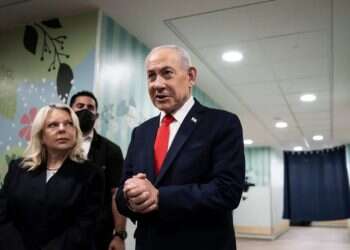
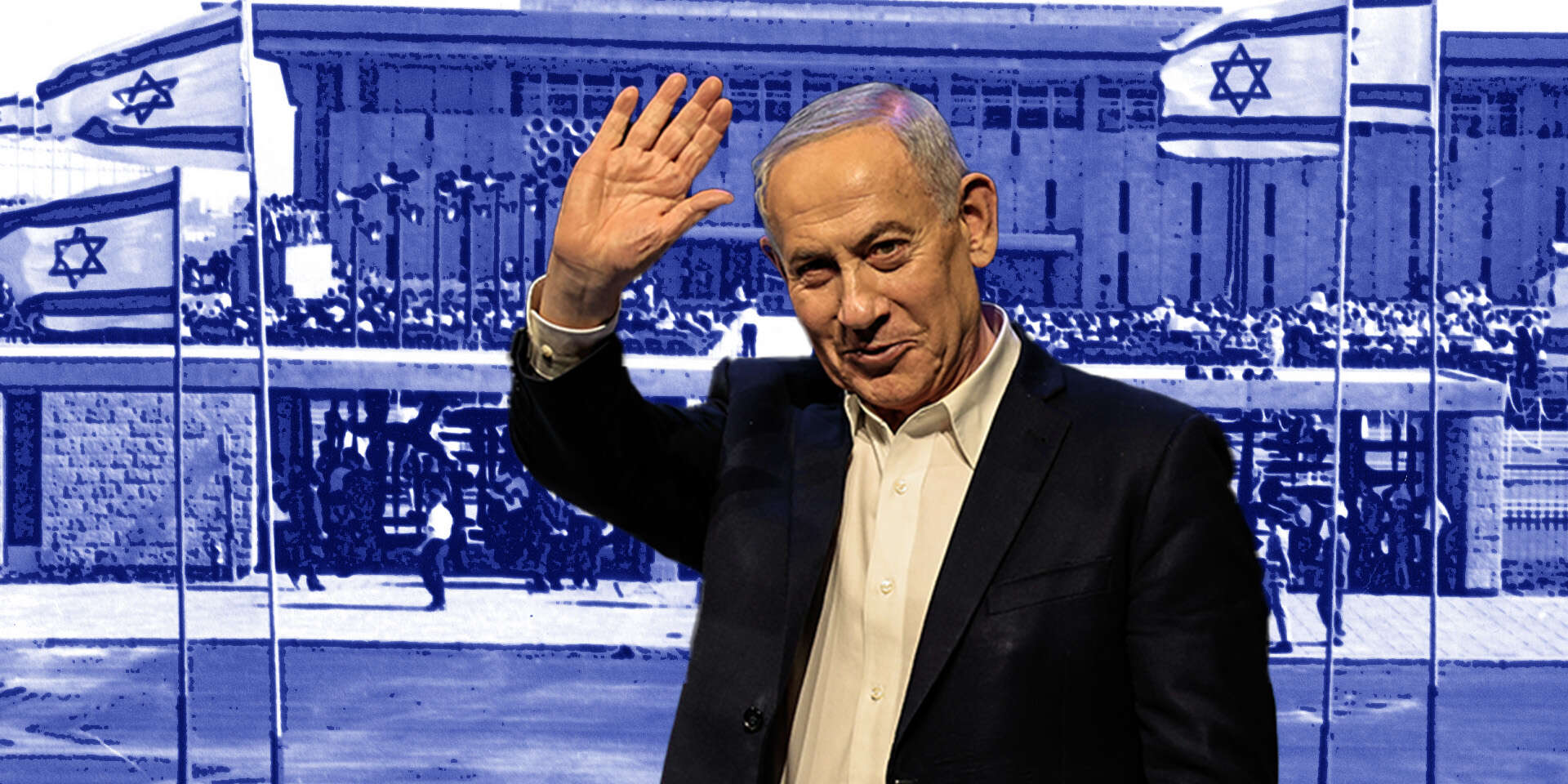
Prime Minister Benjamin Netanyahu has not appeared in public since the elections. On Saturday evening, he issued a statement to the media calling for a unity government while also attacking the change bloc.
Asked by Israel Hayom about Netanyahu's whereabouts, Likud responded: "The prime minister is working in his office, primarily on security matters. All the rumors are completely fake. The prime minister attended meetings throughout the week, and the reason he did not appear publicly is that he had no public events on his schedule."
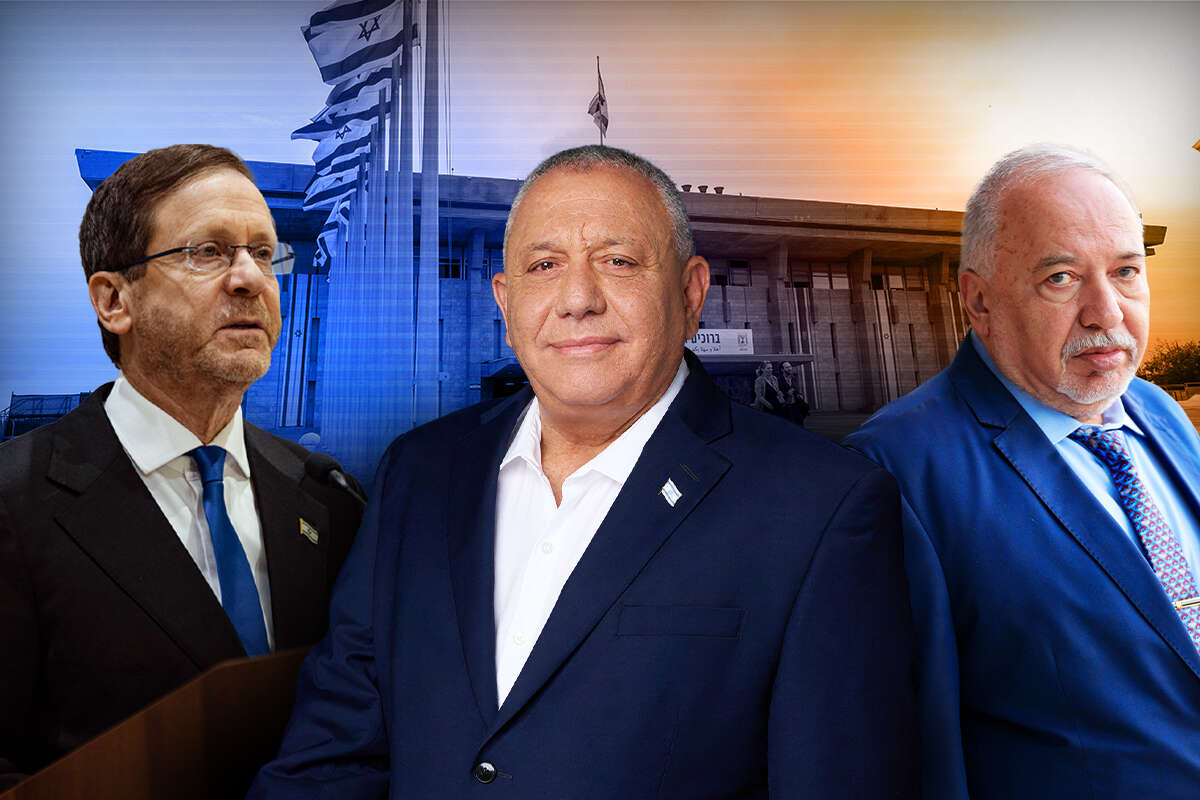
Following President Isaac Herzog's announcement Saturday that he would task Yashar Chairman Gadi Eisenkot with forming a government, the 28-day period allotted to him will begin Sunday, after the official ceremony scheduled for 5 p.m. During that period, Eisenkot will need to reach agreements with the various parties and assemble a coalition that will enable him to present a new government.
Meanwhile, the 26th Knesset is expected to be sworn in on Nov. 10, and Nov. 17 will be the deadline for holding a vote to replace the Knesset speaker. Eisenkot's mandate is set to expire on Dec. 6. If he fails to form a government by then, the president may grant him an extension of up to 14 days.
The coming weeks are therefore expected to bring intensive political negotiations, at the end of which it will become clear whether Eisenkot can form a government or whether Israel's political establishment will have to explore other options.