
Israeli voters have delivered a verdict, but not a decisive one. The gap between opinion polls in recent months and election night exit polls reveals significant shifts that changed the political landscape on Election Day itself, driven by developments in two key strongholds: the Arab sector and traditional Likud cities.
Despite gloomy forecasts, Likud managed to gain ground in the final hours of voting, thanks to Prime Minister Benjamin Netanyahu's highly effective campaign focusing on voter turnout in the Arab sector. What began as a campaign message in 2015, helping Netanyahu secure a surprise election victory that year, became a self-fulfilling prophecy in the 2026 election.
Based on the current projections, neither bloc can form a government without the Arab parties. The question now is whether Yisrael Beytenu leader Avigdor Lieberman will abandon his veto on a minority government backed by Arab parties and instead support a government led by the anti-Netanyahu bloc, with an Arab party serving as a key coalition partner and providing the crucial 61st seat needed for a Knesset majority.
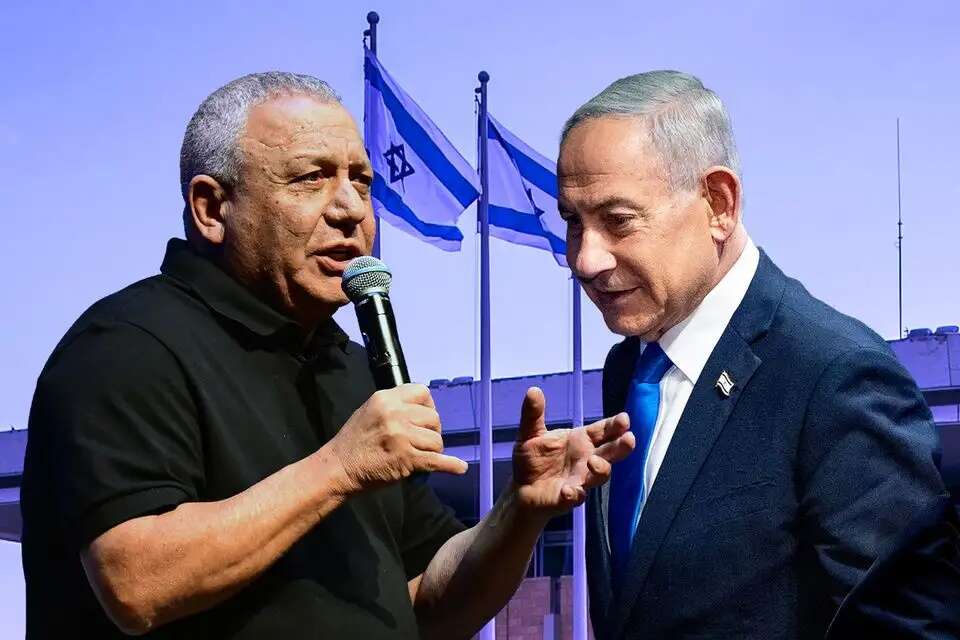
Former IDF Chief of Staff Gadi Eisenkot faces additional obstacles on his path to the President's Residence, where the task of forming a government is formally assigned. Two of his prospective partners were still laying claim to the premiership as late as Election Day, citing their experience. Neither is necessarily in a hurry to recommend Eisenkot for prime minister without something in return, whether a rotation agreement or senior government posts.
Another possibility that cannot be dismissed is the course of action Lieberman himself has advocated: passing legislation to remove Netanyahu from political life and replacing the Knesset speaker before attempting to form a government.
To accomplish those goals, the anti-Netanyahu bloc would not hesitate to draw on the record number of seats won by the Arab parties. A parliamentary majority of roughly 70 MKs supporting such legislation and the replacement of Knesset Speaker Amir Ohana could mark the opening round of the next political battle, either to form a new government or to head toward another election without any Zionist parties switching blocs.
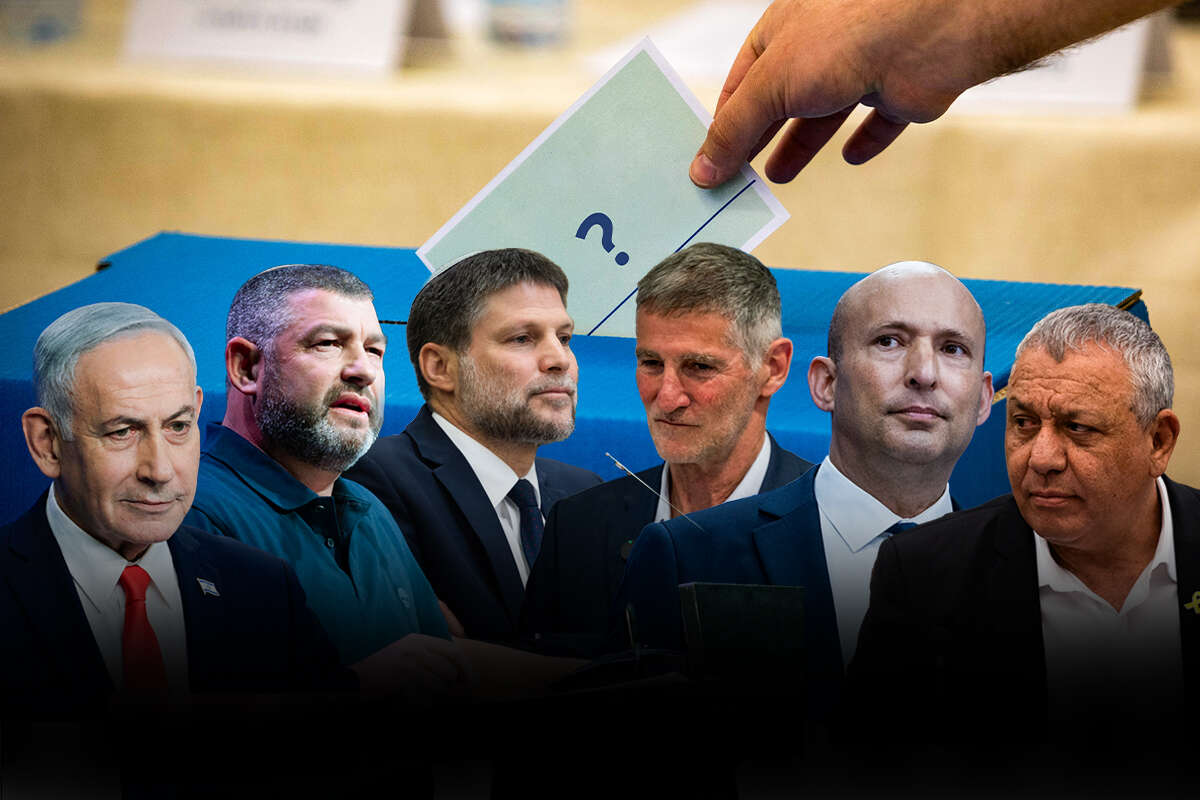
On the Right, Netanyahu's successful campaign deserves closer examination, not only because it strengthened Likud at the expense of National Security Minister Itamar Ben-Gvir, whose party fell well short of its more optimistic projections, but especially because of its impact on former senior IDF officer Ofer Winter, whose party appears unlikely to cross the electoral threshold.
That victory comes with a bitter aftertaste for Netanyahu. Had Winter crossed the electoral threshold, some polls suggested Netanyahu would have been able to form a government with ease.
At the same time, the scale of the gamble taken by Winter and former minister Yoaz Hendel in this election should not be underestimated. Despite hopes that new political parties would emerge in the aftermath of the October 7, 2023, Hamas massacre, voter turnout reached levels not seen in decades, leaving their political ventures with little chance of success.
Even so, Winter's decision to run had a significant impact on Lieberman's Yisrael Beytenu party. Lieberman entered the election campaign aspiring to become prime minister, only to finish with a seat tally far below earlier projections.
Ultimately, Israelis went to bed on election night without knowing what government would emerge or whether this election would prove to be merely the first in another series of votes.
The biggest unknown, however, is not political but security-related. Another military confrontation with Iran could have an effect similar to the first days following the October 7 massacre, creating momentum for a national unity government.
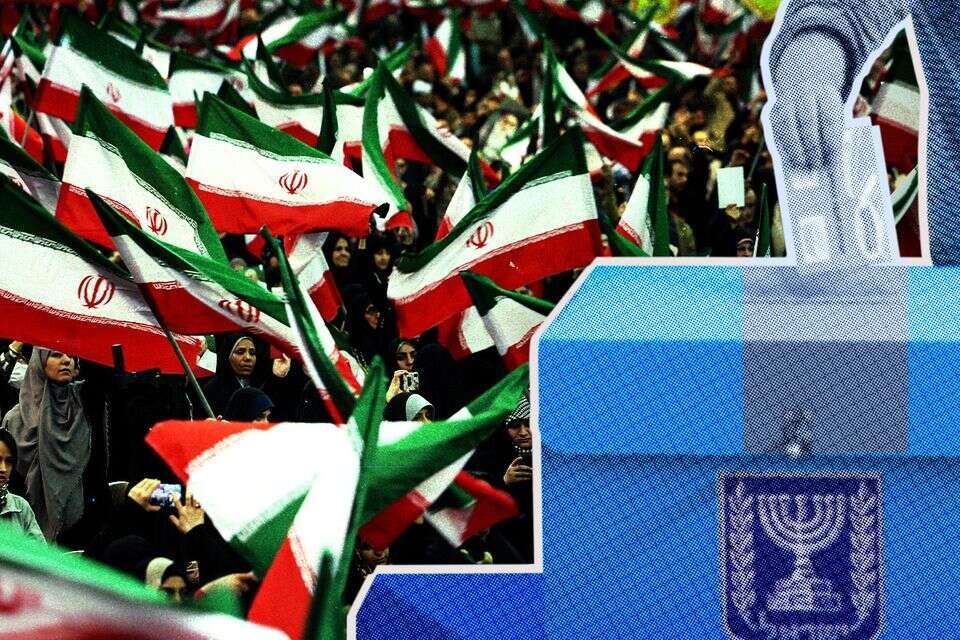
Finally, the extraordinary achievement of the Arab parties cannot be overlooked. Their success reflects a shift in political thinking among Arab citizens of Israel following October 7. Determined to have a hand on the country's steering wheel, Arab voters decisively abandoned a longstanding pattern of widespread electoral disengagement.
Two major issues were at stake: the situation in the Bedouin sector, including efforts to address illegal construction and crime, and Finance Minister Bezalel Smotrich's plans to strengthen Jewish settlement in the Galilee.
The drive to mobilize Arab voters extended from interviews with media outlets in Qatar to broader efforts across the Arab world to influence developments inside Israel.
The full significance of this election, and its long-term implications for the State of Israel, will become clearer in the days ahead. What is already apparent is the shift in ambition among the Arab parties: from passive participants in the Knesset to political players determined to have a hand on the steering wheel.