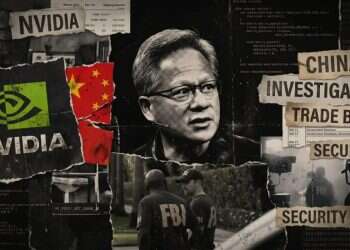
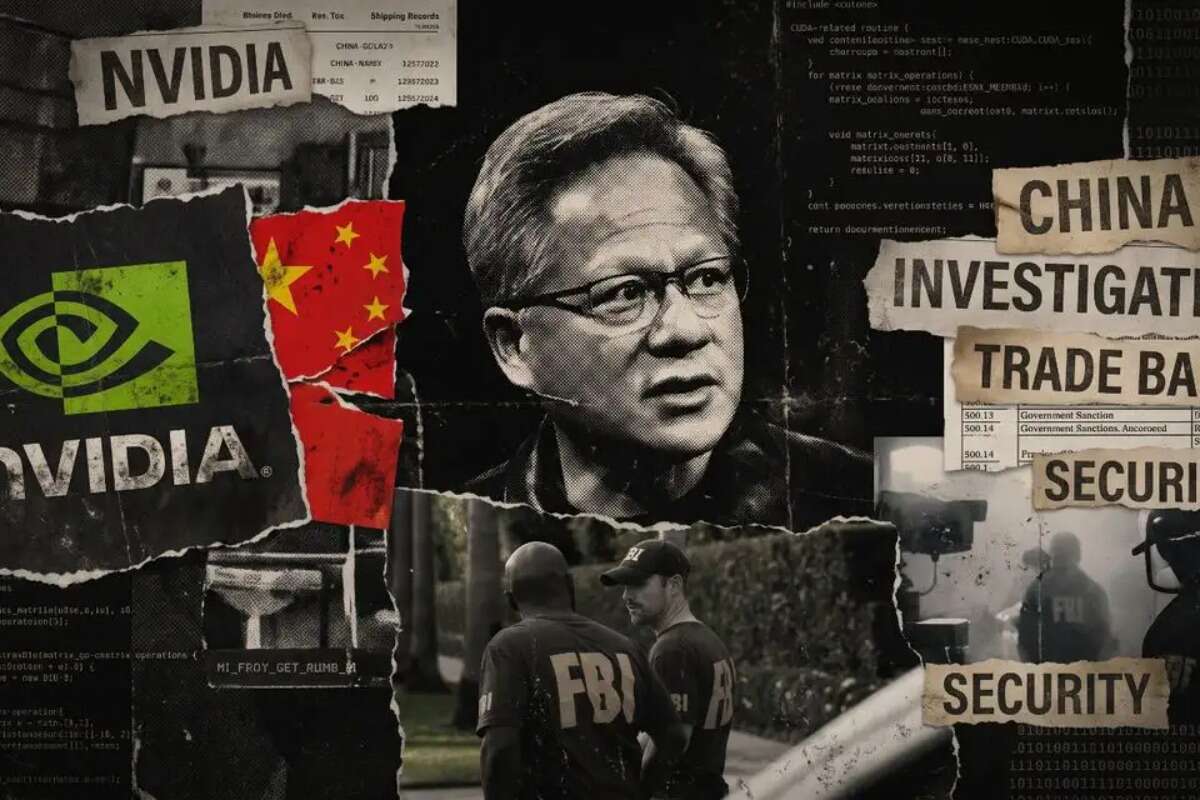
Until a few months ago, Alice Huang was virtually unknown outside the business circles of the semiconductor and artificial intelligence industries. She was an executive at Megaspeed International, a Singapore-based company that provides computing power to businesses across Asia. But a flurry of reports over the past week has placed her at the center of one of the technology industry's most sensitive scandals, involving suspected Chinese intelligence ties, a personal relationship with Nvidia CEO Jensen Huang and the possibility that sensitive information about the US semiconductor industry reached Beijing.
According to reports in The New York Times and Bloomberg, US intelligence officials believe Huang, a Chinese citizen also known as Huang Le, was involved in a Chinese intelligence operation aimed at gathering information about Jensen Huang and Nvidia's advanced technologies. She is also suspected of attempting to influence the company's policies on selling advanced chips to China.
In a letter to Nvidia employees, Jensen Huang acknowledged that he had been unfaithful to his wife and apologized for the affair. Meanwhile, the company announced that its board of directors had launched an independent investigation following reports that Huang may have been targeted by a foreign intelligence operation.
Alice in investment land
Alice Huang, also known as Huang Le, is a Chinese citizen. Despite sharing a surname with Jensen Huang, the two are not related. According to The New York Times, she speaks fluent English and has connections with senior figures in the global semiconductor and artificial intelligence industries.
Relatively little is known about her background. A brief profile found in a Chinese investment fund database described her as having previously worked at HSBC and as a reporter for Chinese television broadcasters, including CCTV and Hunan TV. However, AFP was unable to verify the details in the profile or establish who had published it.
According to Bloomberg, Huang began her career in private investment and television before establishing Megaspeed in 2023, following its separation from 7Road Holdings, one of China's largest video game companies.
The separation came just months after the Biden administration imposed sweeping restrictions on shipments of advanced artificial intelligence chips to China. Bloomberg reported that 7Road's Singapore subsidiary was initially sold to Huang Le Ltd., a British Virgin Islands company controlled by Huang. In November 2023, that company sold Megaspeed to a Singaporean shell company.
Just days later, Megaspeed secured Nvidia Cloud Partner status, becoming an official partner in the chipmaker's cloud services business. The coveted designation gives companies preferential access to Nvidia's chips.
What exactly does Megaspeed do?
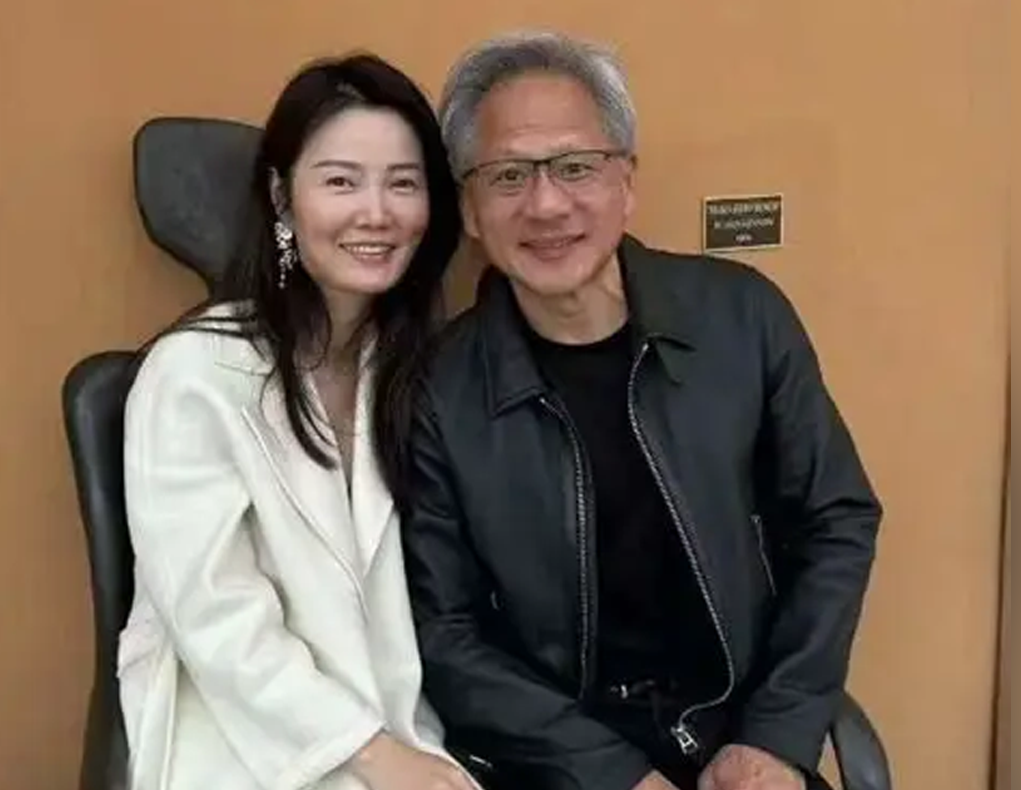
Understanding Megaspeed's business helps explain why the company is at the center of the controversy. It provides computing services to businesses across the Asia-Pacific region that require substantial processing power, particularly to develop and operate artificial intelligence systems.
Rather than purchasing and operating expensive servers and chips themselves, businesses can rent access to computing resources powered by Nvidia graphics processing units (GPUs). This allows them to use advanced computing capabilities without investing in costly infrastructure of their own.
That business model has taken on particular significance amid US export restrictions on China. While Washington limits the transfer of certain advanced chips to China, the ability to remotely access computing power generated by chips located elsewhere in Asia raises complicated questions about how those restrictions can be enforced.
On its website, Megaspeed describes itself as a "core business partner" of Nvidia's cloud computing operations. According to its LinkedIn profile, the company has offices in Singapore, Malaysia and Indonesia.
But the company's trade and import records, examined by Bloomberg, have raised questions. According to the report, Megaspeed has imported goods worth more than 1,000 times the cash balance it held in 2023. Its imports of Nvidia products have exceeded $4.6 billion.
Bloomberg also reported that the company rents out Nvidia chips housed in facilities across Southeast Asia to Chinese businesses, including technology giant Alibaba. At the same time, suspicions have emerged that Megaspeed may have been involved in transferring hardware to China in violation of US restrictions.
According to the report, US officials asked Nvidia last year to conduct inspections of Megaspeed over concerns about its possible involvement in a large-scale smuggling network. Nvidia initially said the chips had been fully located and accounted for. However, the investigation described by Bloomberg uncovered significant discrepancies: Megaspeed had reportedly imported 50,000 more chips than Nvidia was able to locate in its data centers.
Megaspeed rejected allegations of wrongdoing. In December 2025, the company said Bloomberg's reporting contained "misleading information and incorrect insinuations, including suggestions that we may have been involved in illegal chip transfers." The company also said it complied with all applicable regulations and expressed surprise at allegations that a former employee had acted as a foreign intelligence asset.
Don Huang
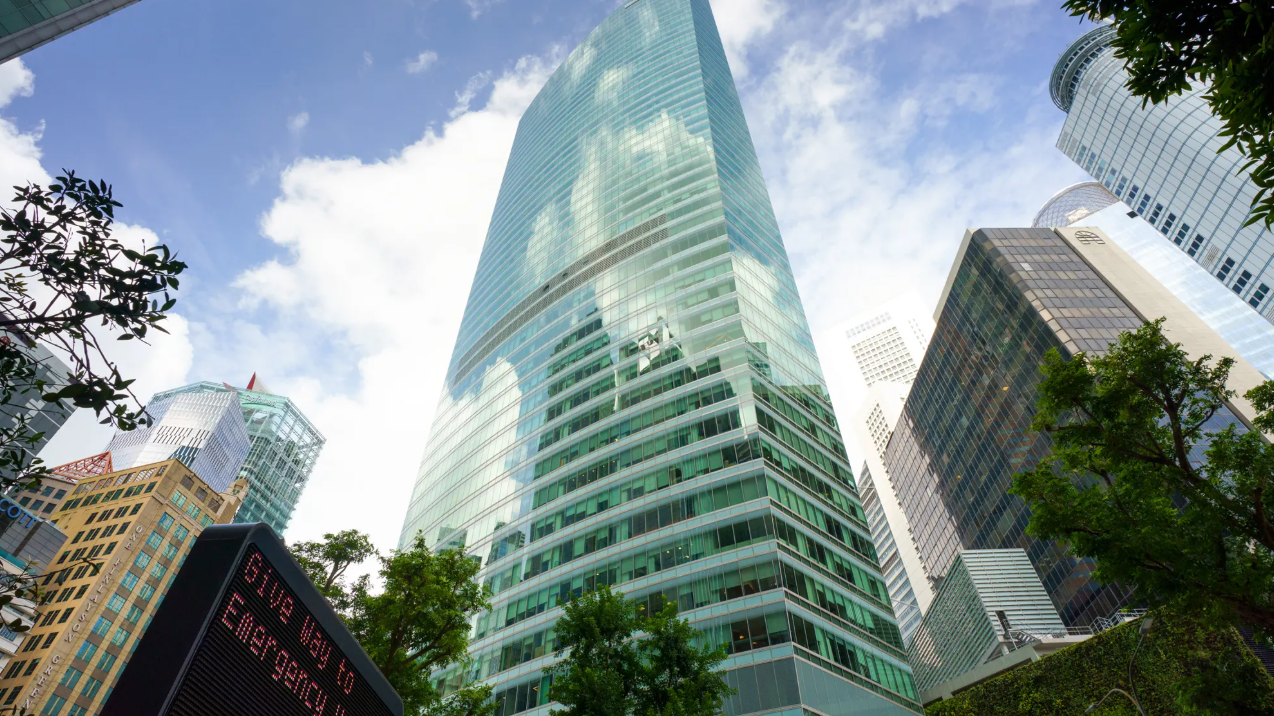
Beyond the business dealings, the personal relationship between Alice Huang and Nvidia's CEO has made the scandal particularly explosive. According to US media reports, the two developed a close relationship, and The New York Times reported that US intelligence officials believed Alice Huang had used that relationship to gather information about the American semiconductor industry.
The two had appeared together publicly as early as 2024, at a technology industry event in Taipei. In a published photograph, Jensen Huang, wearing his trademark leather jacket, is seen sitting beside a long-haired woman identified in reports as Alice Huang.
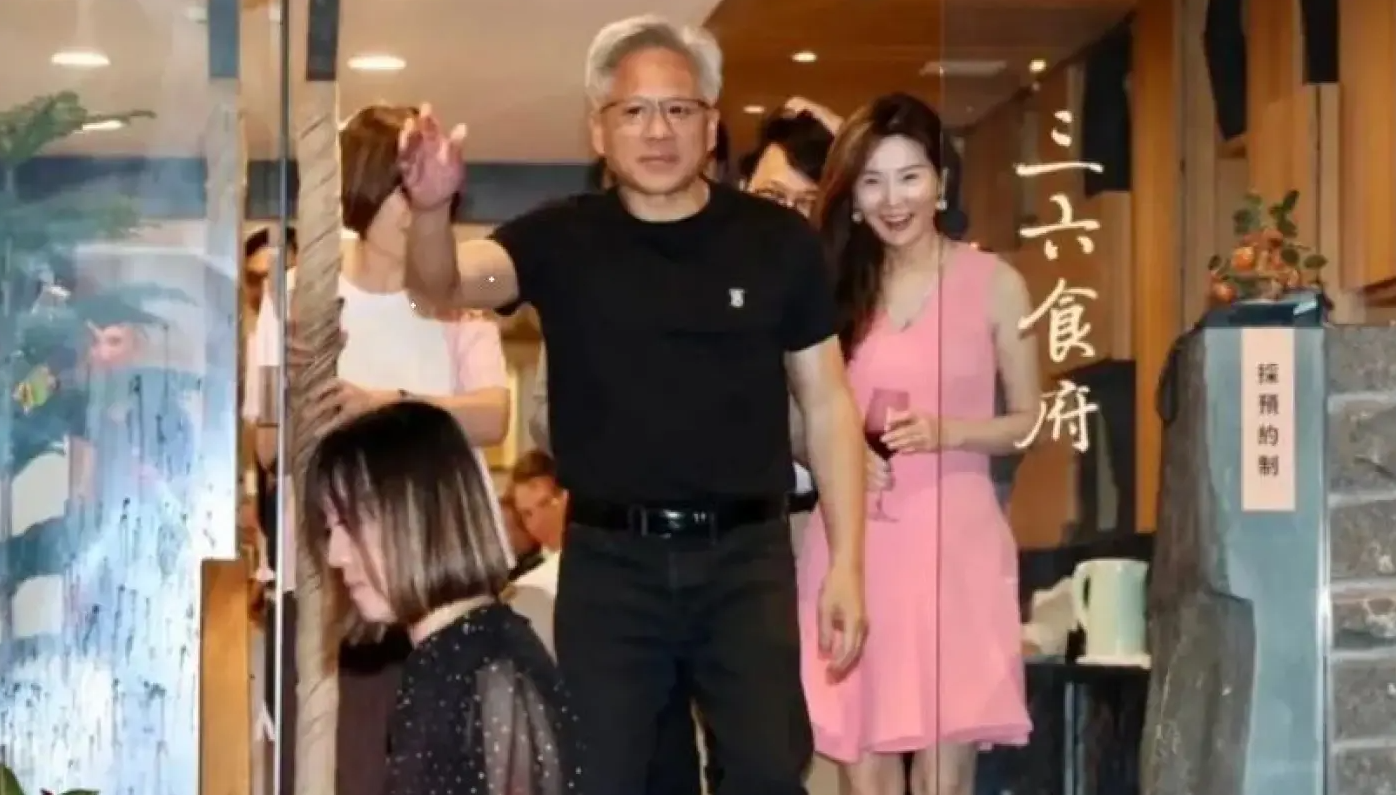
A year later, both attended a dinner hosted by Nvidia's CEO at a Chinese restaurant in Taipei during the Computex technology exhibition. Journalists gathered outside the restaurant filmed the event through its windows. The footage shows the woman identified as Alice Huang, wearing a pink dress, approaching Nvidia's CEO. At one point, she appears to kiss him on his right cheek, and he puts an arm around her. She was later seen leaving the restaurant with him in the same car.
It remains unclear when or how the two first met. In his letter to Nvidia employees addressing his personal conduct, Jensen Huang wrote, "I take full responsibility for what I did and the hurt I caused," and apologized to his wife, family and colleagues. He did not name Alice Huang or directly address her alleged connections to Beijing.
China: 'Chinese spy' allegation is baseless
The suspicions surrounding Megaspeed extend beyond the United States. According to Bloomberg, Singaporean police summoned Huang for questioning last year and prevented her from leaving the country. Her current whereabouts are unknown. However, the Singaporean government clarified that it had not investigated the allegations concerning her purported intelligence connections or her relationship with Jensen Huang.
Bloomberg also uncovered links between Megaspeed and Shanghai Hexi, a private investment firm connected to a data center that Chinese state media described as the largest in the country. According to the report, Huang was listed as one of Shanghai Hexi's directors in an official company post on WeChat in 2016. As of August 2025, a company she had established held a 48% stake in the project.
On Nov. 5, the US House Select Committee on China issued a statement describing Alice Huang as a senior Megaspeed executive and a reported Chinese intelligence asset. The committee's leaders asked Jensen Huang to participate in a closed-door briefing on Nov. 18 to determine the extent to which US national security may have been compromised by the affair.
Nvidia said it had no reason to believe that company secrets or national security had been compromised, but stressed that the board's investigation would examine all available information. Jensen Huang said he supported the investigation and would cooperate fully.
Beijing also responded to the controversy. Chinese Foreign Ministry spokesman Guo Jiakun told reporters at a briefing, "The 'Chinese spy' allegation is purely unsubstantiated and directed at smearing China."