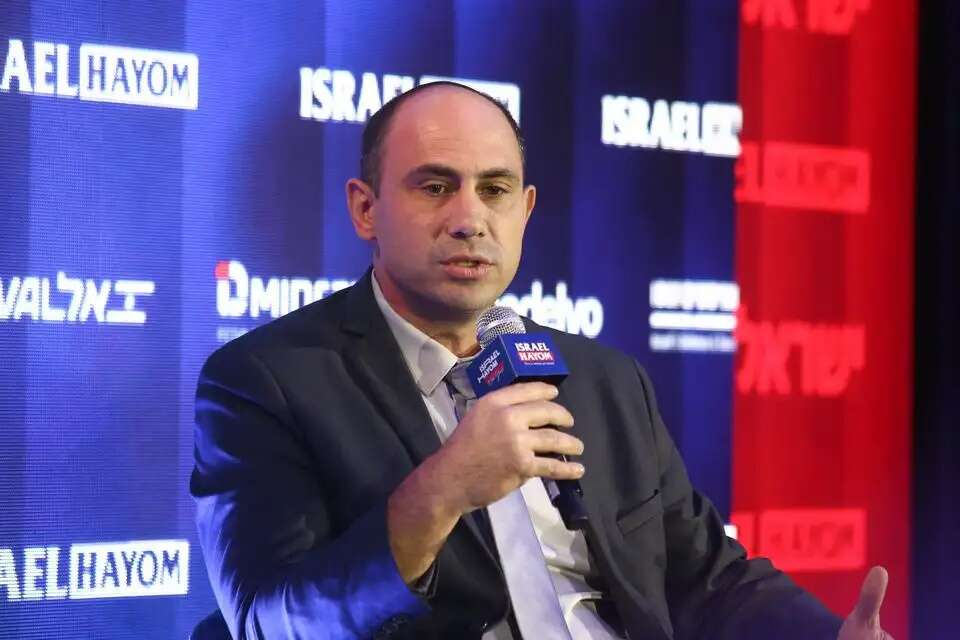
The Israel Hayom Summit opened Wednesday in New York, bringing together senior figures from Israel and the US, government officials, business leaders, heads of organizations and prominent members of the Jewish community. Held for the second consecutive year at the InterContinental hotel in Manhattan, the summit is attended by Israel Hayom publisher Prof. Miriam Adelson and features discussions, interviews and panels on the major challenges facing Israel, the US and the Jewish world.
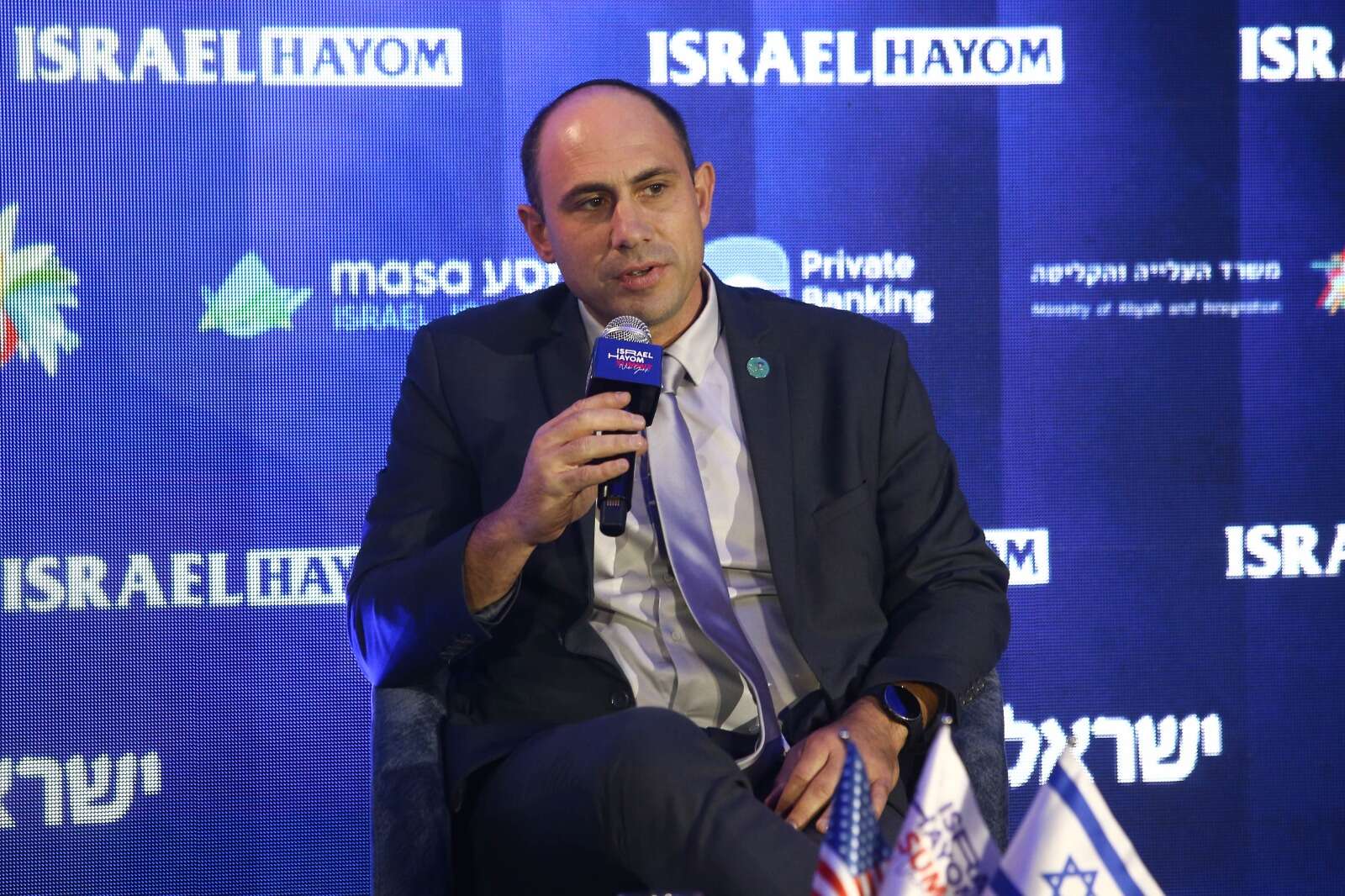
In an interview with Adi Nirman at the summit, during a session focused on connecting the younger generation of Diaspora Jews to Israel through education, volunteering and career opportunities, Masa Israel Journey CEO Meir Holtz discussed the challenges of bringing young Jews to Israel during wartime, their concerns about how global antisemitism could affect their careers and new initiatives to expand participation in the organization's programs.
Holtz revealed growing concerns among young interns about the potential impact of working in Israel on their future careers abroad.
"We have about 1,000 employers in Israel offering professional internships, but since Oct. 7, we've seen a real and troubling shift in the types of organizations participants want to work for," he said.
"Many of them are afraid to put on their resumes that they worked for an Israeli company. They prefer internships with international organizations operating in Israel because it's much easier to list the name of a global corporation without having to say on their resume that they actually worked in Tel Aviv. It's a very painful and sad reality that we have to deal with."

'Not fleeing persecution, but running toward Zionism'
Asked what continued to motivate young Jews to come to Israel despite the war and security threats, Holtz presented figures pointing to a recovery in participation.
"Masa was founded 22 years ago by the Israeli government and the Jewish Agency, and since then we've brought more than 220,000 young people to Israel for long-term programs," he said.
"I can't say there haven't been problems since the war began. We've dealt with security challenges, canceled flights and declining numbers. Two years ago, we lost 6,400 participants, but last year we already brought in 8,700, and this year our goal is to reach 9,200 and even surpass the 10,000 mark."
Holtz stressed that the connection to Israel could not be built on fear.
"When we talk about coming to Israel, there are always two factors: why people leave and why they come. It's far more important to focus on what draws them here: the understanding that Israel is the home and homeland of the entire Jewish people, even those who have never lived here."
He continued, "We don't talk in terms of doom and gloom. We talk about Zionism. We're not bringing young people here because they're fleeing persecution or antisemitism, but because they're running toward something meaningful, toward being partners in what we can build and achieve together."
'A weapon against antisemitism'
Holtz explained the philosophy behind Masa's programs, which immerse young Jews from around the world in everyday life in Israel. "When a young person comes to Masa, they're not coming for a tourist experience on a bus. They're coming to live the reality itself. They live here, study, volunteer and work," he said.
"In the fight against antisemitism, there's an offensive side and a defensive side. Our role is defense, strengthening Jewish identity. When a young person lives in Israel, meets Israelis in everyday life and goes to a coffee shop often enough that the barista knows their order by heart, that's a real connection. When those participants return to their communities abroad, no amount of propaganda can confuse them. They know the truth and the reality firsthand, and that's the strongest response we can offer."
To reach young people who were reluctant to commit to an extended stay during wartime, Masa adapted its programs and introduced shorter options. "We launched new, shorter six-week programs for young people who weren't sure they could commit to a longer period," Holtz said. "We started with a pilot of 800 participants and ended up with 1,950, many of whom are asking to extend their stay into a full-length program."
He added, "We're changing our marketing approach, showcasing Israel's strengths, supporting participants throughout their journey and preparing them for their return home to their communities."
A career bridge that creates global business opportunities
Toward the end of the interview, the discussion turned to the role of professional internships in connecting young Jewish talent from the Diaspora with the Israeli and global economies.
Holtz illustrated the impact with the story of a Masa graduate from Brazil. "We had an intern who came from Brazil and worked at a sports-tech company in Tel Aviv," he recalled. "Toward the end of her program, she explained to the company's management that sports are practically a religion in Brazil and suggested exploring the possibility of establishing operations there.
"When she returned home, she established and led the Israeli company's Brazilian branch, which has since employed dozens more Masa interns. That connection proves that professional programs don't just strengthen Jewish ties. They also create real engines of growth for the Israeli economy."