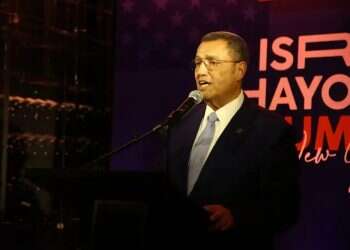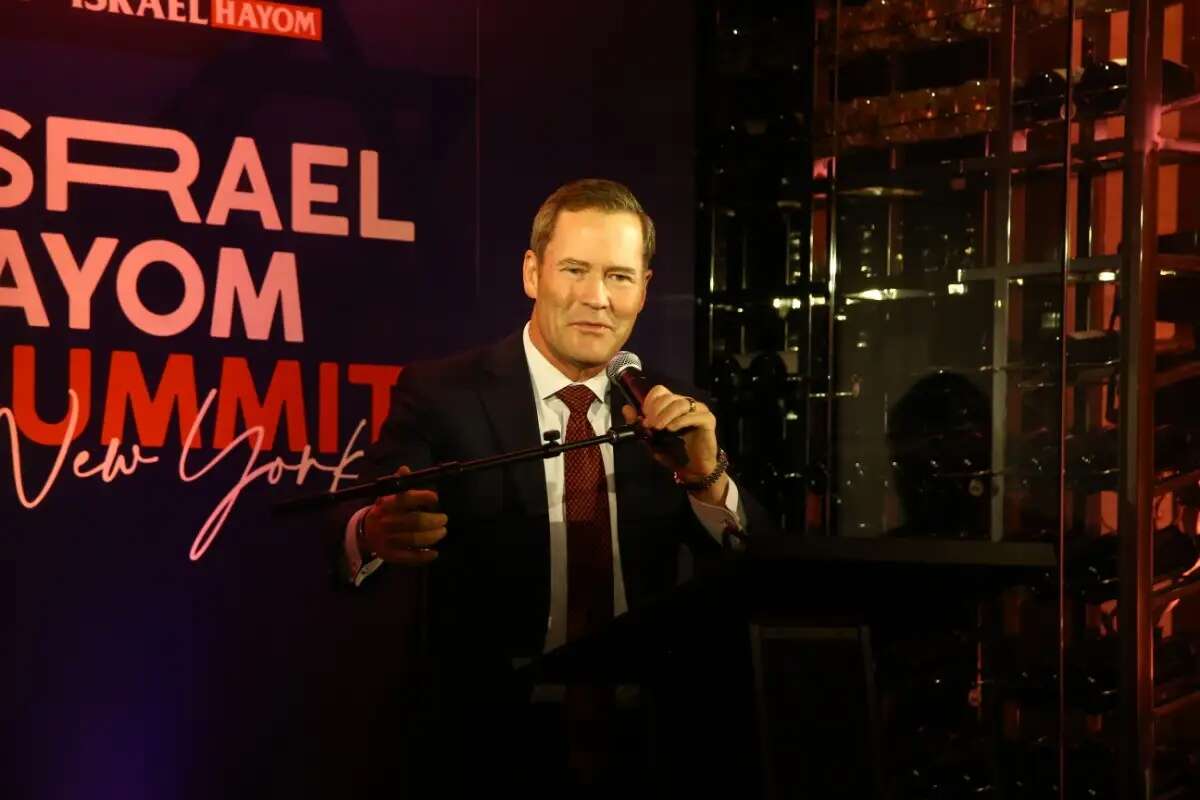
US Ambassador to the UN Mike Waltz delivered a blistering attack on the United Nations Interim Force in Lebanon (UNIFIL) at the gala evening of the second annual Israel Hayom Summit in New York, announcing plans to visit Lebanon next week to push for fundamental changes to the peacekeeping mission in the country's south.
Waltz described the UN force as a "human shield for terrorists" and made clear that the Trump administration was seeking to overhaul its operations. "I'm going there next week to get rid of this human shield known as UNIFIL and change the peacekeeping mission that has been there for 20 years," Waltz declared. "This mission costs half a billion dollars a year, and instead of promoting peace, it has provided a human shield for terrorists," he said, adding that the goal was to turn the UN into an organization that genuinely advances peace in the region.
Turning to Iran and its network of proxies, Waltz portrayed Tehran's influence across the Middle East as significantly diminished. "The Iranian regime is weaker than it has ever been," he said, pointing to the fall of the Assad regime in Syria, the blows dealt to Hezbollah and developments in Lebanon as part of a broader erosion of Iranian influence. "The cancer of the Middle East is being eradicated, step by step, by a president who had the courage not to put off the difficult decisions," he said.
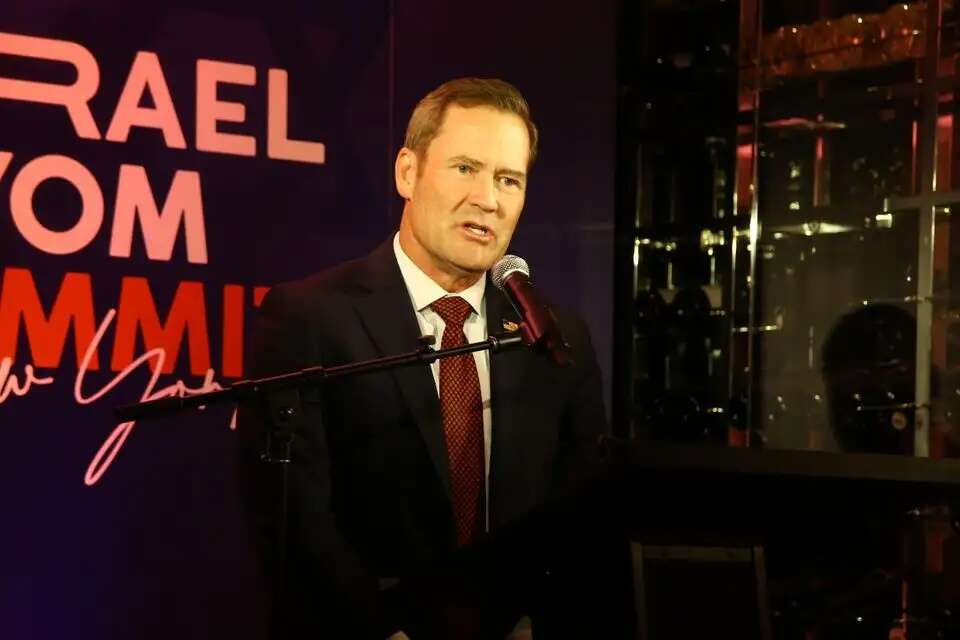
Waltz also highlighted growing security cooperation between Israel and Arab countries, describing military coordination between Israel and Gulf states as one of the most significant developments of recent years. "To see Israeli soldiers fighting alongside Arab soldiers from the United Arab Emirates, and to see Arab countries helping defend the State of Israel when Iran launched its attacks, would have been absolutely unthinkable just six years ago," he said.
He pointed to what he described as a significant shift on the international stage as well, noting that 146 countries had condemned Iranian attacks on civilian targets, including ships, hotels, resorts and airports, at the UN.
A substantial portion of Waltz's speech focused on the Abraham Accords and President Donald Trump's Middle East policy.
Waltz recalled that when Trump first unveiled his vision for normalizing relations between Israel and Arab countries, many experts and diplomats dismissed it as impossible. "They said there could be no broader peace between Israel and the Arab world until the Palestinian issue was resolved. They called Trump's vision a fantasy. But we proved them wrong," he said.
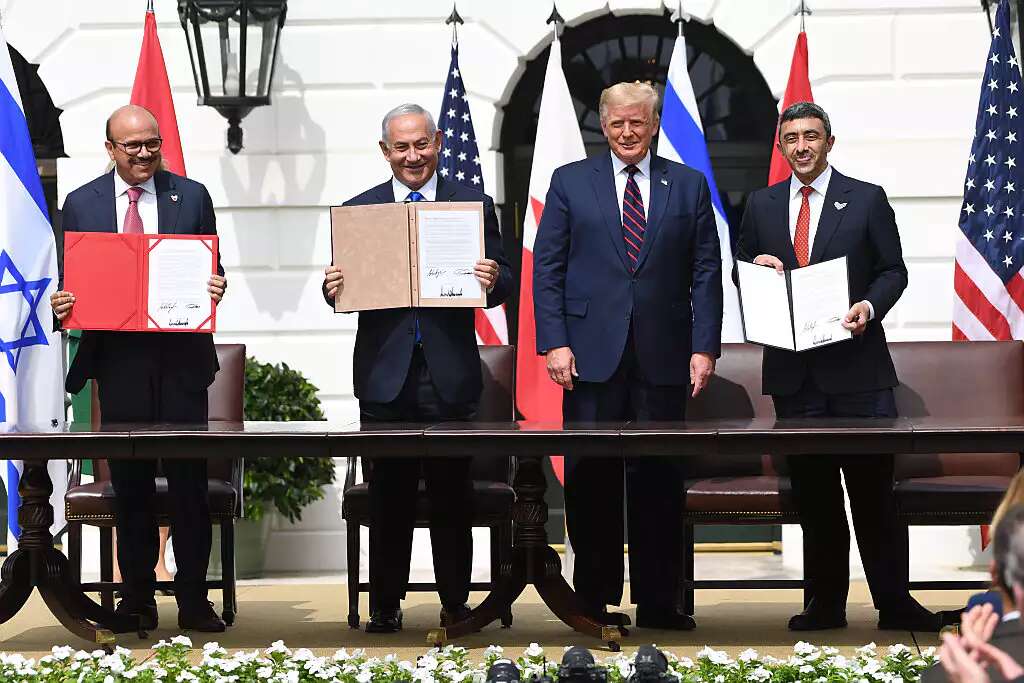
Waltz, who attended the signing ceremony for the Abraham Accords at the White House in 2020, stressed that predictions that successive wars in the region would bring about the agreements' collapse had also proved unfounded. "First they said the Abraham Accords would never happen. Then they said they would never last. On October 7, they said the war would destroy them. Then they said the war in Gaza would destroy them, and now they're saying the war in Iran will destroy them. So what's the answer? Not only have they survived, they're expanding."
On Gaza, Waltz credited Trump with drawing on the diplomatic framework established by the Abraham Accords to secure the ceasefire and formulate his 20-point peace plan. "All the hostages are out. There are no more Israeli hostages being held in tunnels in Gaza," he said.
He thanked Trump and members of the US team, including Steve Witkoff, Jared Kushner and Secretary of State Marco Rubio, for their efforts to bring the hostages home.
Waltz also spoke about the hostage families and the impact they had on the president. "Those families needed closure. All the remains of the hostages had to be brought back, and everyone had to be brought out. The president understood that," he said.
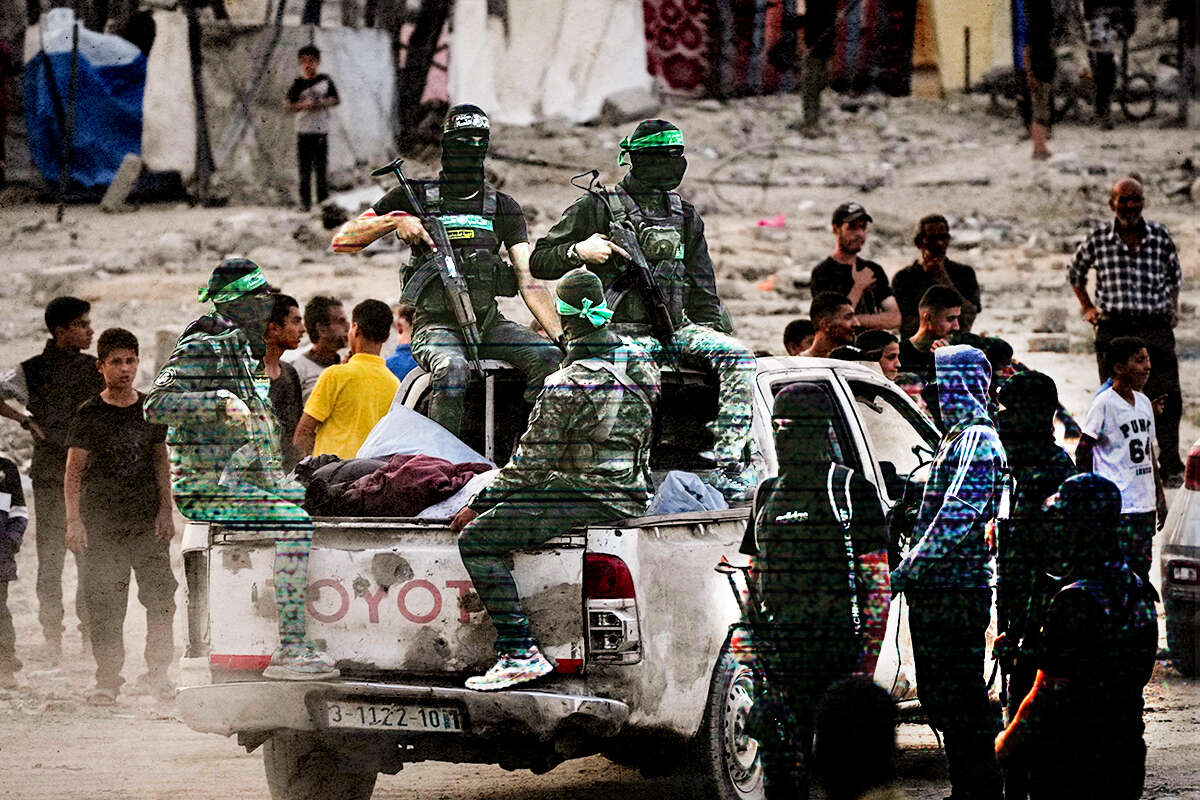
Waltz emphasized that, as far as the US administration was concerned, the campaign in Gaza was not yet over. "Hamas must disarm. Hamas will not govern Gaza," he said. "As the president said, it will happen the easy way or the hard way. I pray it happens the easy way."
Toward the end of his address, Waltz turned to the Trump administration's efforts to reform the UN. He described plans to eliminate thousands of positions within the organization, reduce budgets and take action against individuals he accused of promoting antisemitism, including Francesca Albanese, the UN special rapporteur on human rights in the Palestinian territories. According to Waltz, the administration is working to restore the organization to its founding principles while cutting back its bureaucracy.
Waltz concluded on an optimistic note about the future of relations between Israel, the United States and Arab countries. "For the first time in history, we have Israeli ingenuity, Arab energy and investment, and American technology all working together," he said. "There's still a lot of work to do, but the Abraham Accords aren't just surviving. They're accelerating and expanding."