Ukraine carried out a complex operation off the coast of Libya on Sunday, deploying several types of unmanned systems to strike two Russian vessels thousands of miles from Kyiv. The attacks, involving unmanned surface vessels, sank the modern Russian warship Merkury and struck a cargo ship used by Moscow to deliver military equipment to its allies in eastern Libya.
The Merkury, a cruise missile-equipped corvette launched in 2020, was among the most advanced vessels in Russia's navy, with an estimated construction cost of $238 million. According to the report, it was sunk by a Ukrainian Sea Baby naval drone costing approximately $200,000.
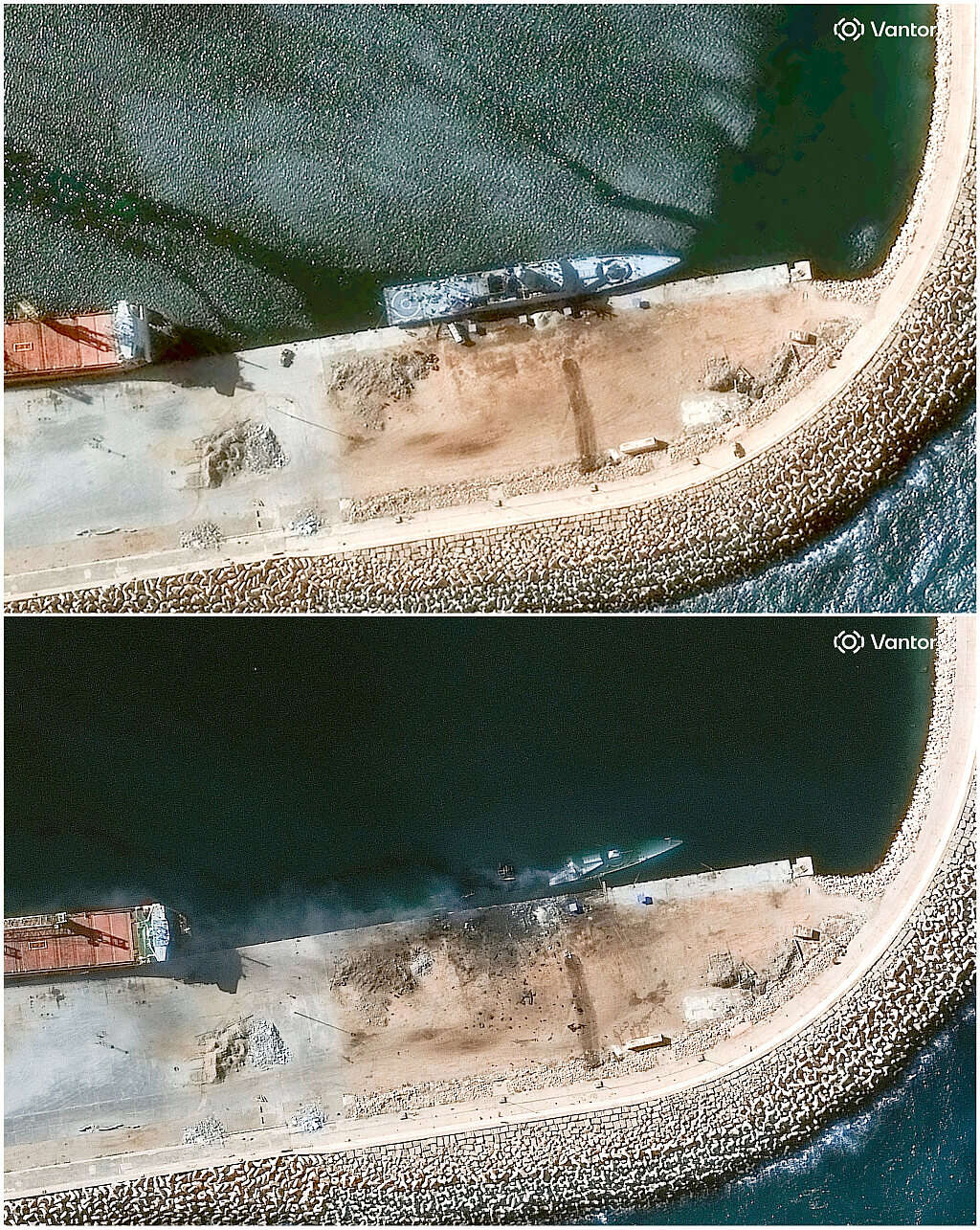
Reactions among Russian military bloggers on Telegram ranged from disbelief to deep frustration. "The ship was brand new. I don't understand how this could happen," admitted Voyevoda Broadcast, one of the Russian military bloggers following the incident.
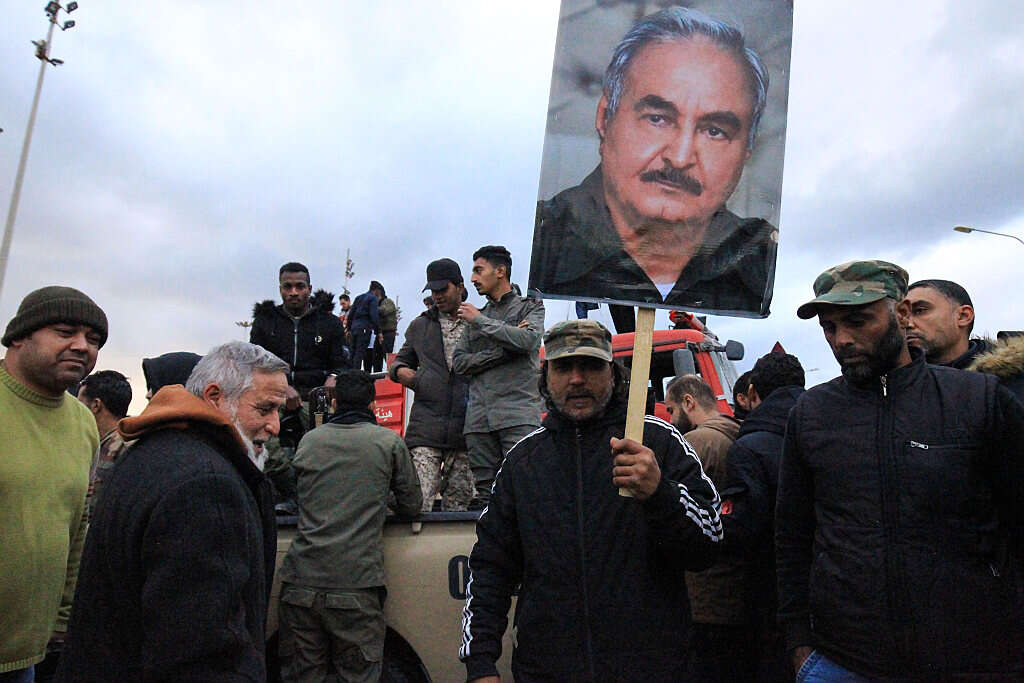
But while the attack has stunned observers in Russia, its consequences in Libya could prove far more significant. Khalifa Haftar, a former general under Muammar Gaddafi who has become the undisputed ruler of eastern Libya, depends on Russian military assistance to maintain his position against his rivals in Tripoli, whose government is backed by Turkey and Western powers. In October alone, three Russian cargo ships loaded large quantities of military equipment at the port of Kaliningrad before delivering the supplies to Haftar's forces in Benghazi.
Now, with the Ascalon, one of the cargo vessels, and the warship assigned to protect it both hit in the attacks, the future of Russian military assistance to eastern Libya has been thrown into doubt.
With a diminished Russian presence and Moscow's continued support increasingly uncertain, Haftar and his forces could find themselves on the losing side of Libya's civil war. For the government in Tripoli, meanwhile, the blow to Haftar comes as a welcome return on an investment, despite the corruption and internal divisions that continue to plague its administration.
In October 2025, Tripoli approved an agreement with Ukraine whose details were never publicly disclosed. Foreign media reports subsequently claimed that more than 200 Ukrainian military officers and specialists had been deployed to several bases across the country. According to those reports, the arrangement was straightforward: Ukrainian personnel would train Libyan forces in drone warfare, while Kyiv would gain a forward operating base against Russia in the Mediterranean.
Disrupting Russian military supplies to Haftar may not have been the agreement's original purpose, but it is proving to be a particularly valuable dividend. Yet Tripoli is hardly the only capital welcoming the setback suffered by Russia and its Libyan ally.
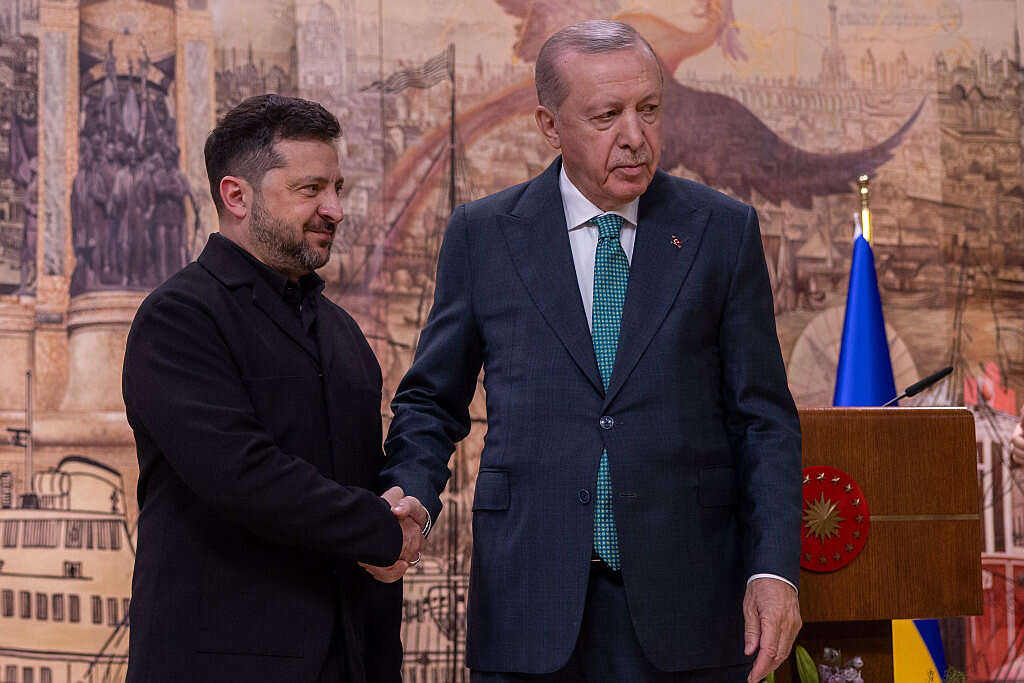
For Turkish President Recep Tayyip Erdogan, the attacks mark another step toward expanding Ankara's influence across the eastern Mediterranean. For years, Haftar's rule in eastern Libya has stood in the way of Turkey's ambitions to control access to natural resources off the Libyan coast. Russia's military presence in the country has only complicated Erdogan's plans.
Turkey's involvement in Libya has evolved in recent years from a military intervention that saved the Tripoli government into a far-reaching strategic and economic investment. Since Turkey halted Haftar's offensive against the Libyan capital in 2020, Ankara has maintained a permanent military presence in western Libya, including thousands of troops, military advisers, drones, and air and naval bases.
Alongside its security assistance and training of local forces, Turkey has converted its influence into strategic economic agreements, most notably a maritime boundary deal in the Mediterranean that gives Ankara access to offshore oil and gas resources while challenging its regional competitors.
Economically, Turkey's investment in the Tripoli government has generated substantial returns for Turkish construction, infrastructure and energy companies: Turkey has become a leading supplier of goods and services to Libya, with annual exports exceeding $2 billion and contracts worth billions more to rebuild ports, roads and projects that had previously been suspended. Turkey's state-owned petroleum company has also signed agreements for oil and gas exploration and production off Libya's coast.
At the same time, Ankara is expanding its economic ties with power centers in eastern Libya, seeking to consolidate its position as the country's principal intermediary and the biggest beneficiary of its reconstruction.
If Ukraine succeeds in replicating its achievements in the Black Sea by turning eastern Libya's ports into dangerous territory for Russian vessels, Moscow may be forced to reduce its exposure and abandon its Libyan ally. That is precisely the outcome being hoped for not only in Tripoli, but even more so in Ankara.