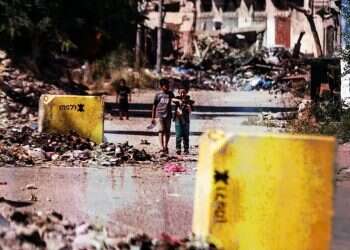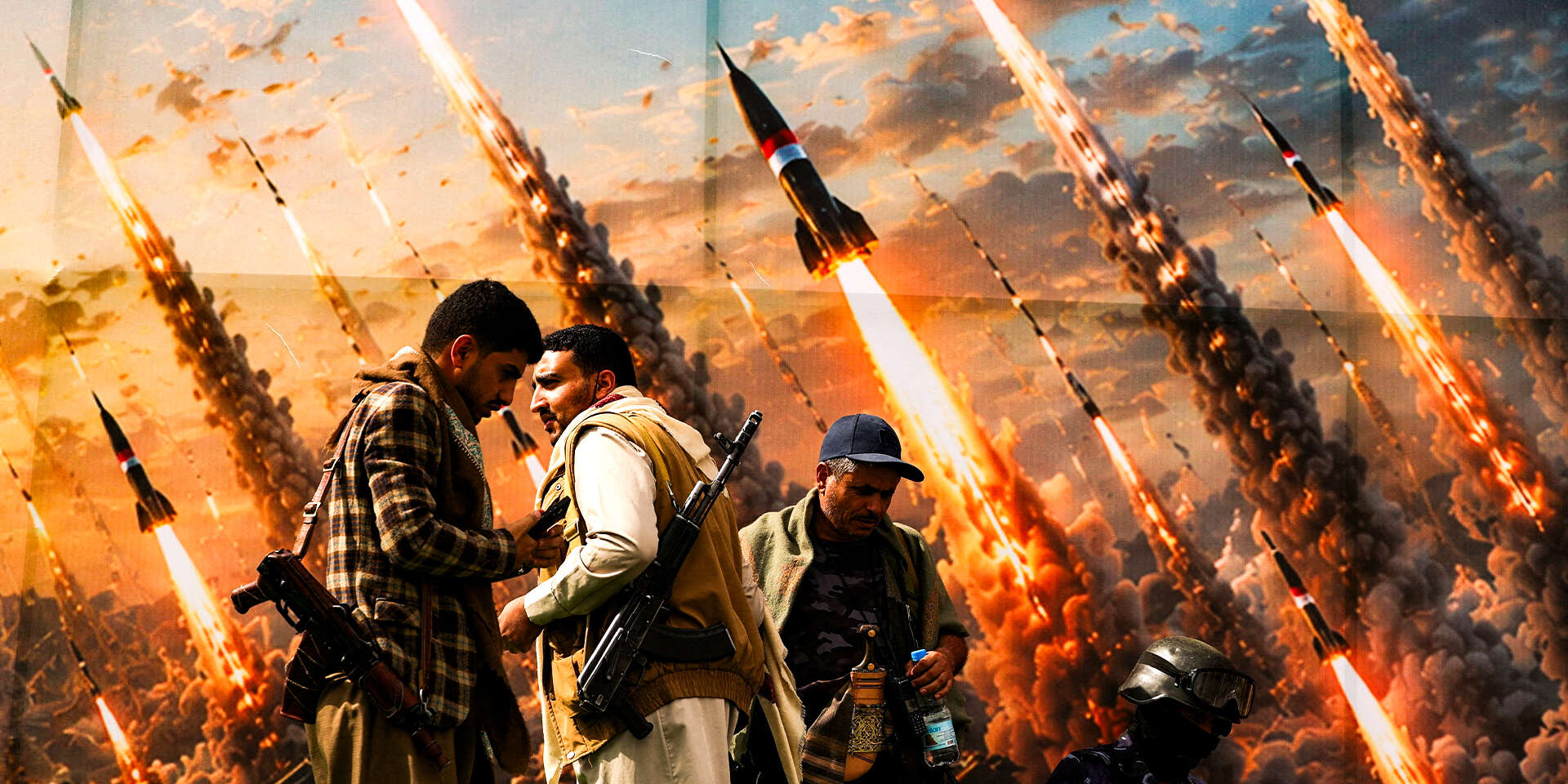
A troubling development is taking shape in Yemen: The Houthi terrorist organisation has recently intensified recruitment and expanded its use of advanced technology to consolidate its control over the country. The buildup points to a gradual strengthening of the Iranian-backed group, which could join an Iranian retaliation if the US and Israel resume their war against Tehran.
A source familiar with the situation told Israel Hayom that demographic trends are also working in the Houthis' favor. According to the source, the population in Houthi-controlled areas is 2.5 times larger than that of southern Yemen. The country's total population is currently estimated at around 43 million. Residents of Houthi-controlled areas are also younger, with larger families.
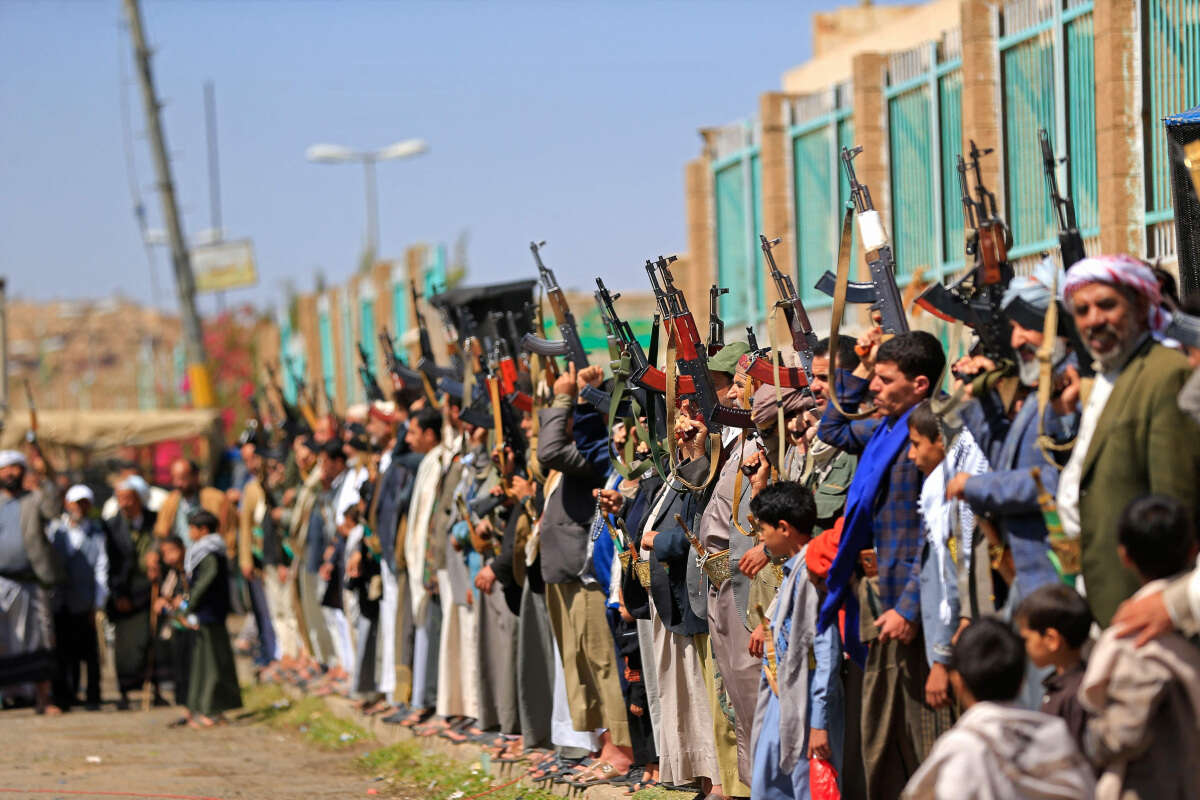
The source noted that although corruption is widespread in Houthi-controlled territory, the terrorist organisation directs nearly all its resources toward its military and war economy. "They spend long hours training, while soldiers serving the government in southern Yemen have wasted their time manning checkpoints," the source explained.
In the months since the Iran War, senior Houthi officials have threatened to escalate their attacks if Israel and the US resume hostilities. During the war, the terrorist organisation responded primarily by launching ballistic missiles toward Israel.
However, the current military buildup could enable the Houthis to expand their attacks against infrastructure in Gulf states. The terrorist organisation is already attacking oil facilities, airports and financial centers in Saudi Arabia, gaining operational experience in the process.
In addition, the Houthis' control over the area surrounding the Bab el-Mandeb Strait gives them greater ability to disrupt maritime traffic through the strategic waterway.

The terrorist organisation is also introducing increasingly sophisticated technology. Yemeni sources cited by Gulf media outlets reported that the Houthis have begun using fingerprint scans and mobile phone inspections to verify civilians' identities in the southern province of Taiz, where the city of Taiz remains under siege.
According to the reports, approximately 600 people have been detained by the terrorist organisation. The biometric identification system is being used at Houthi checkpoints along major roads. The Houthis have also reportedly gained access to databases belonging to the Saudi-backed Yemeni government and are using the information to identify individuals.
But the terrorist organisation's activities go beyond identity checks. According to testimonies from Yemen, civilians passing through Houthi checkpoints are being forced to declare their loyalty to the terrorist organisation and pledge to cooperate with it.
In a related development, the Saudi newspaper Asharq Al-Awsat reported that the Houthis are expanding their recruitment campaign, focusing particularly on public-sector employees in areas under their control. According to accounts from Yemen, the organization combines incentives with intimidation. Public employees are offered financial rewards or promotions for joining its forces, while those who refuse face threats of dismissal or fabricated accusations.
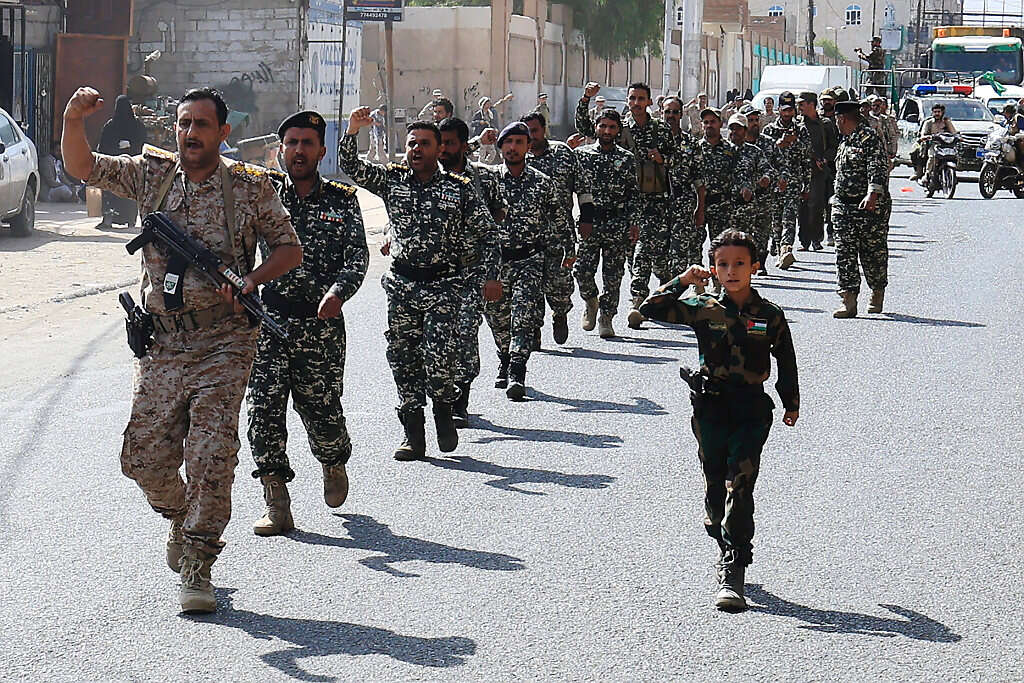
One government employee who was forcibly recruited told the newspaper that he had undergone combat training, including live-fire exercises. Recruits are also required to listen to speeches by the movement's founder, Hussein al-Houthi, and its current leader, Abdul-Malik al-Houthi, as part of an ideological indoctrination process. For some, the training does not end there. They are transferred to recruitment camps for periods lasting several months.
Against this backdrop, some factions in Yemen are seeking to strike at what they regard as the terrorist organisation's greatest vulnerability by eliminating its leader, Abdul-Malik al-Houthi.
Yet a report published this month by the Yemeni website Defense Line suggests that even such an operation would not necessarily bring the organization to an end. The report identified approximately 35 members of Abdul-Malik al-Houthi's family, including his sons, brothers, uncles and cousins, who could potentially continue the family's leadership after his death.
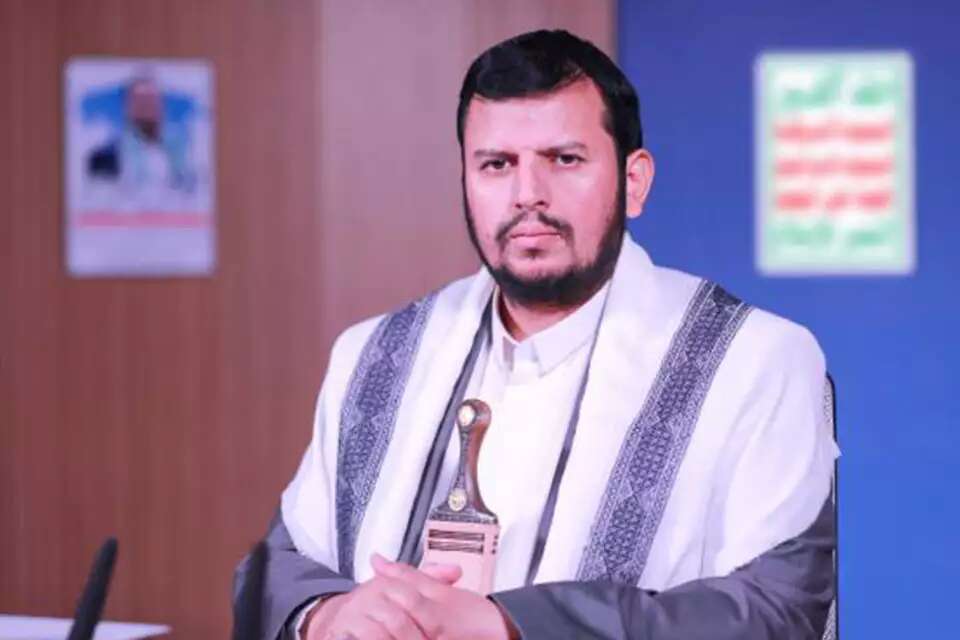
According to the report, the Houthi leader has systematically placed relatives at the top of the movement's leadership structure, assigning them senior positions. His sons and sons-in-law hold command positions in the Houthi military as well as posts within the terrorist organisation's governing institutions. One of those relatives is Abdul-Khaliq al-Houthi, who is described in the report as serving as governor of Sanaa and the surrounding areas.