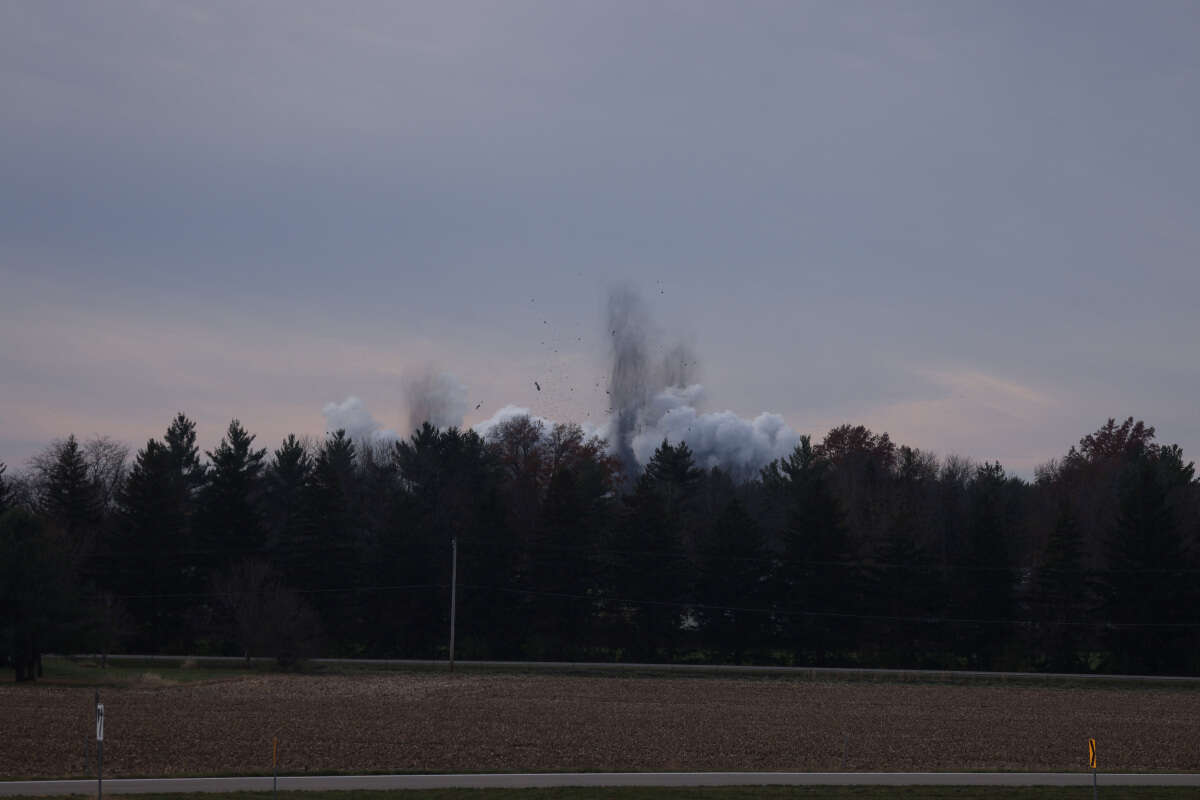
Wednesday's "controlled, mitigated detonation" of 5 tons of lead azide in Middletown, Iowa, took place at around 9 a.m. local time, with residents reporting hearing an explosion and spotting plumes.
A live TV broadcast captured the sound of an explosion on Wednesday in the Iowa farming community, where the US military had arranged to destroy an old stockpile of lead-based munitions because it was deemed too unstable. Detonating the 68 drums, the Army stated before the explosion, was to "result in an air plume with some lead-containing particles which will disperse in the air and deposit on the ground."
🚨 BREAKING: The US Army just DETONATED several TONS of unstable lead azide at the Iowa Army Ammunition Plant in Middletown
PLUMES SPOTTED.
"We can FEEL the percussion from that."
PRAY everyone stays safe 🙏🏻
EOD techs carried out the CONTROLLED blast on 68 barrels of the degraded explosive after an Imminent Threat Alert went out to residents up to 20 miles away
Now it's time to make sure anyone impacted by this gets the help they need.
— Eric Daugherty (@EricLDaugh) November 25, 2026
Residents were urged to evacuate temporarily, Fox News Digital noted. An appeals court cleared the plan after President Donald Trump had tied it to its approval and that of Gov.-elect Rob Sand.
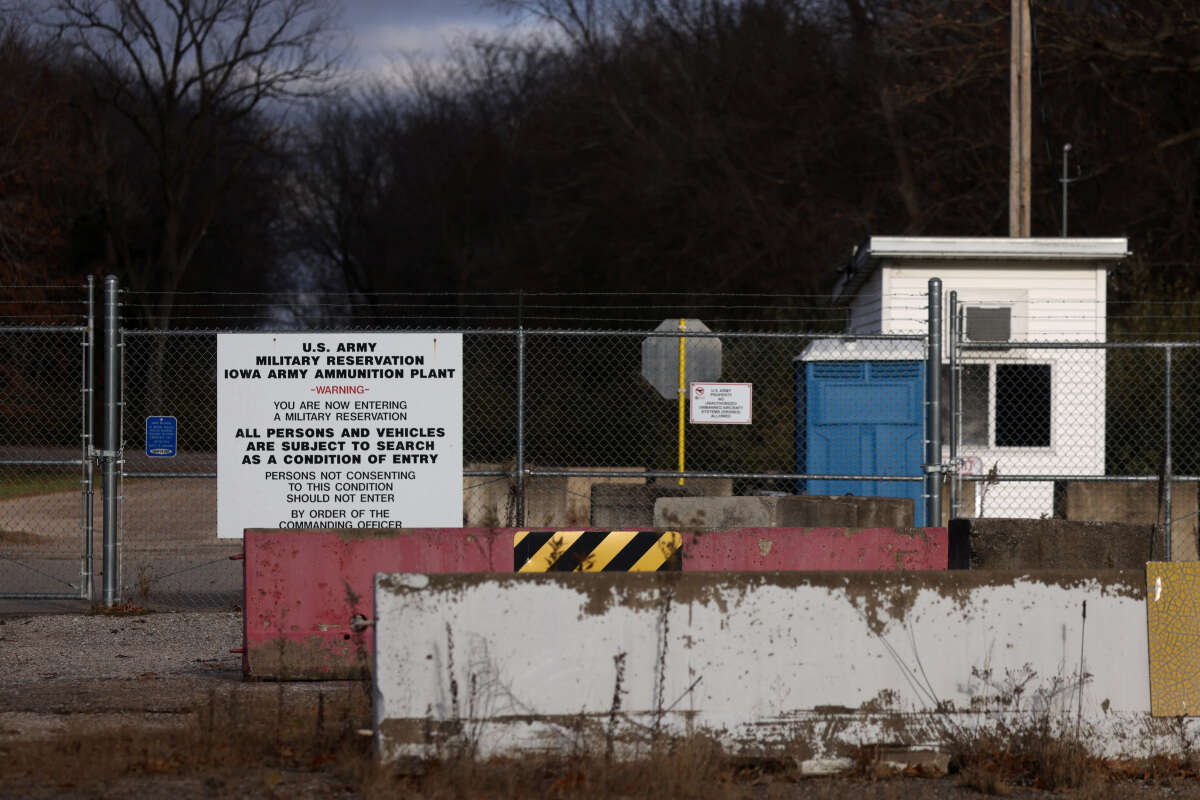
Telle said it averts the "worst-case scenario" of a spontaneous blast. "We have talked to every expert within the federal government and every expert we could find outside the federal government," he told reporters. "A controlled, mitigated detonation of the lead azide here at Iowa Army Ammunition Plant is far preferable to an uncontrolled spontaneous detonation of that substance."
Latest information on the Iowa Ammunition Plant Detonation.
Continue to check back for updates as they become available.
https://t.co/DIV9jUlV2S
— U.S. Army (@USArmy) November 25, 2026
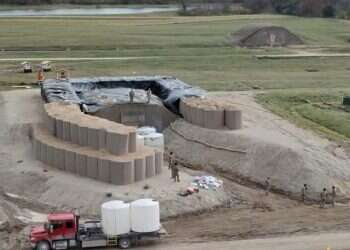
Sand-filled barriers, water walls and foams will contain the blast, officials said. Lead azide is "a highly sensitive explosive compound commonly used as an initiating explosive in detonators and blasting caps. It is one of the primary materials used to start the detonation sequence in military, mining, demolition, and commercial explosive applications," per Ford County, Illinois. Crystallized drums rule out neutralization.
Video: The preparations for the explosion in Middleton, Iowa, on Nov. 25, 2026
Results will follow "no later" than noon ET. "At 9:00 a.m. CST, the US Army will conduct a controlled, mitigated detonation at the Iowa Army Ammunition Plant (IAAAP) to eliminate the risk of an uncontrolled explosion," the Army said on X. "To ensure the safety of our technicians, the Army will update the public on the status of the operation no later than 11:00 a.m. CST," it added.
New maps flag Iowa and Missouri. Residents should "consider avoiding the highlighted area or remain indoors with windows/doors closed." "Children under six are especially vulnerable to lead exposure," it added, urging patience for the all-clear.
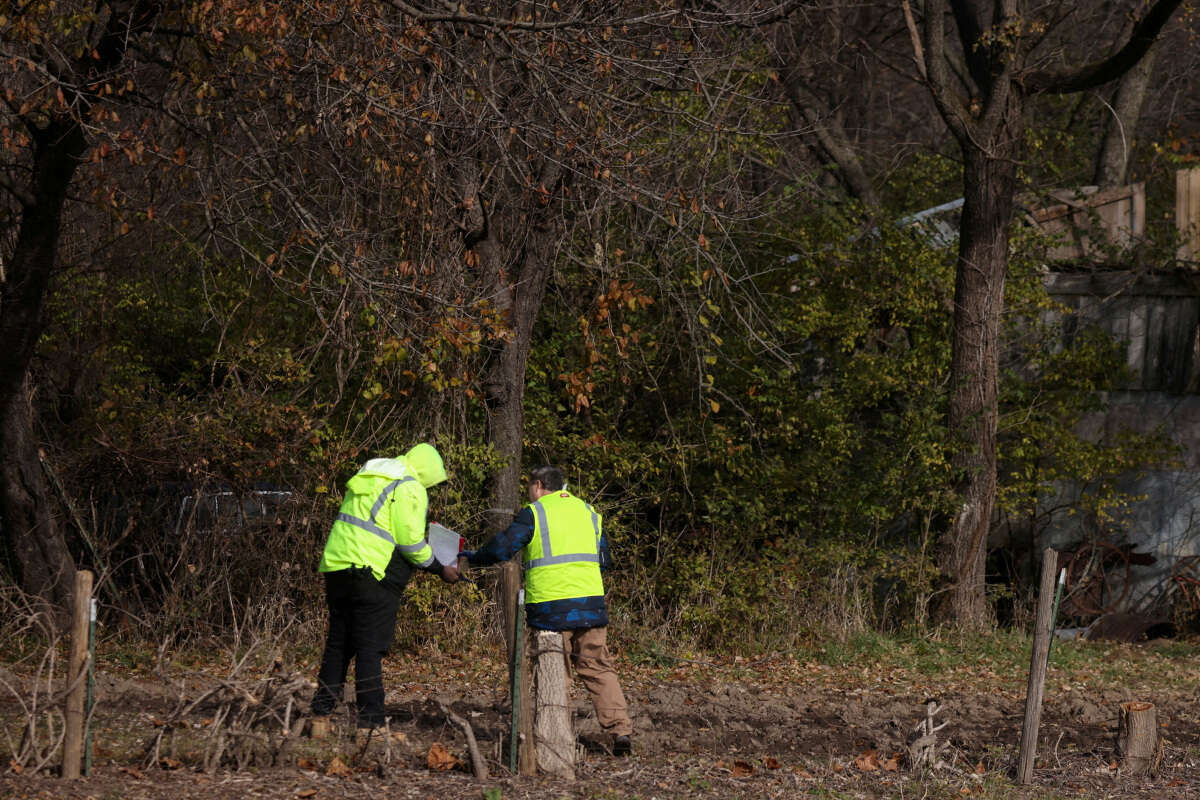
The stockpile is an "explosive safety hazard" that is "unsafe for relocation." "This includes a water wall filled with more than 100,000 gallons of water, earth berms, sand filled blocks, expert dispersion modeling, and temperature-regulating tarps," the Army said. "Continuous inspections of stored materials identified that this specific batch had reached a point where standard handling was no longer safe," it said earlier. "The area was isolated and experts were brought in to plan a deliberate, controlled disposal."
The Environmental Protection Agency (EPA) noted "recrystallization of the lead azide in long-term storage" at the plant. "The recrystallization of lead azide has created a risk of spontaneous explosion due to the material's sensitivity to friction and shock, creating a highly unstable and dangerous situation," it said. "The Army, which has unparalleled expertise in matters concerning explosives safety, concluded that this material cannot safely be handled or moved and therefore, cannot be treated by any method other than in-place detonation," it added.
Telle said the Army Sustainment Command's "controlled, mitigated detonation" stays on track "pending favorable weather conditions as forecast." "All of the top experts agree that a controlled, mitigated detonation is the best way to protect public health and safety. The inevitable outcome of doing nothing, resulting in multiple spontaneous, uncontrolled detonations, would be far worse," Telle said on X. Three delays preceded it, Fox News Digital reported.