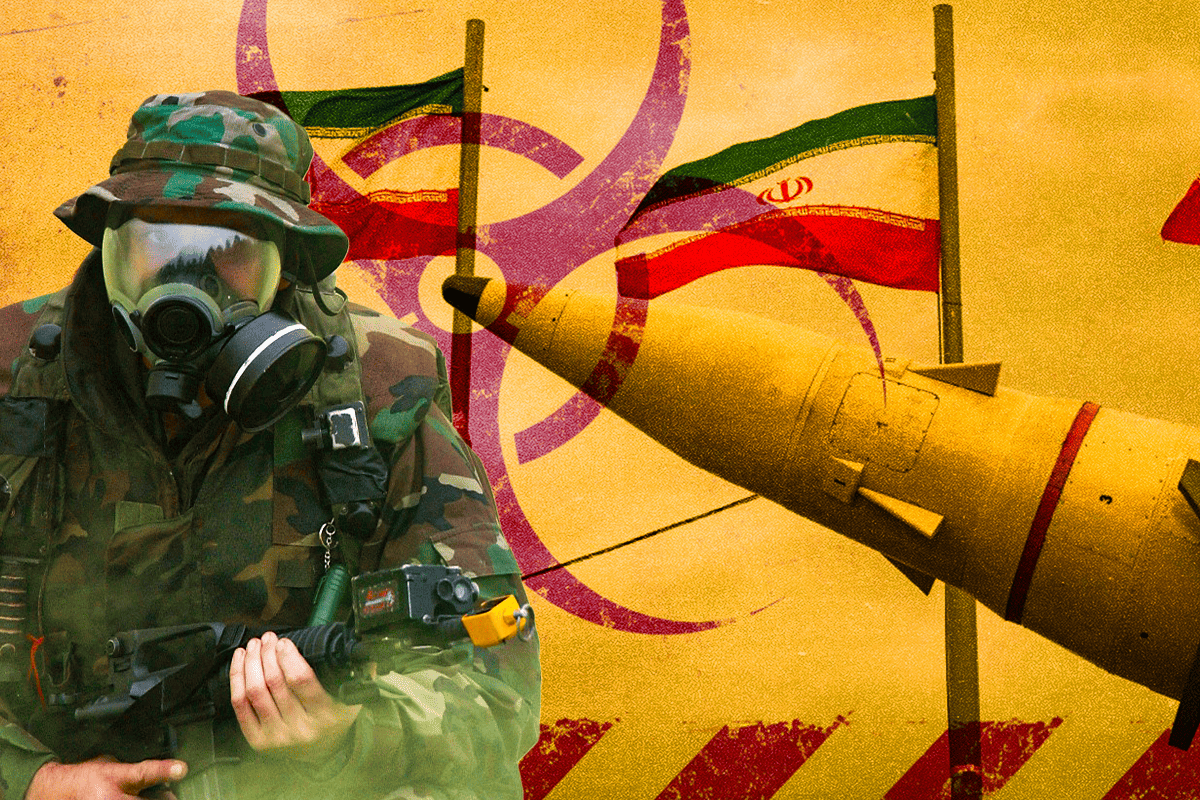
The possibility that Iran, either out of desperation or in an attempt to deter Israel, could resort to chemical weapons has surfaced in media reports in recent days amid growing speculation about a potential confrontation between Israel and the Islamic Republic. Israel's Defense Minister Israel Katz claimed that Iran was actively developing chemical weapons and that Israel would act to stop it.
While Israeli assessments suggest that Iran does not yet possess chemical weapons or the means to integrate them into its existing arsenal, one of the greatest concerns surrounding this category of weapons of mass destruction is the relative ease with which they can be developed. Unlike nuclear weapons, which require years of research and highly specialized scientific, engineering and industrial infrastructure, some chemical weapons are considerably less complex to develop.
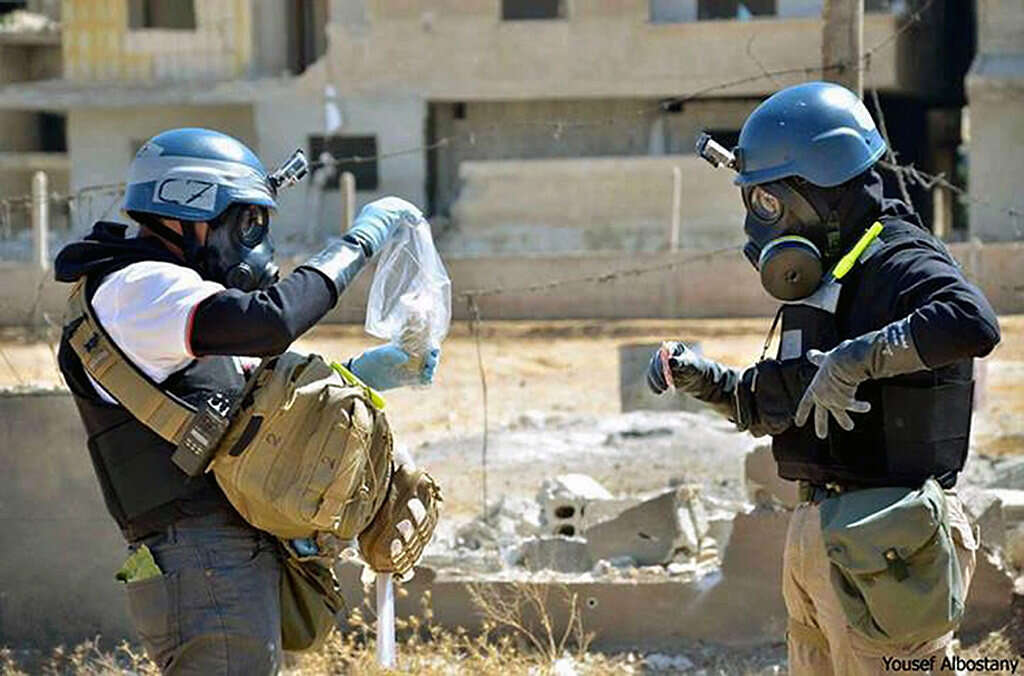
It is worth noting that although chemical and nuclear weapons fall under the broad umbrella of weapons of mass destruction, their destructive capabilities differ substantially. Chemical weapons generally pose a considerably smaller threat than nuclear weapons, particularly to civilian populations with adequate protective measures.
Another important distinction is that chemical weapons encompass a wide range of agents with vastly different effects and degrees of lethality. They are generally divided into four main categories, only some of which have ever been used in warfare.
Nerve agents
Nerve agents are a family of substances that disrupt the nervous system by inhibiting the enzyme acetylcholinesterase. Exposure can cause uncontrolled muscle contractions, seizures, respiratory paralysis and death. Nerve agents were developed as weapons before and during World War II but were not used in combat during the war.
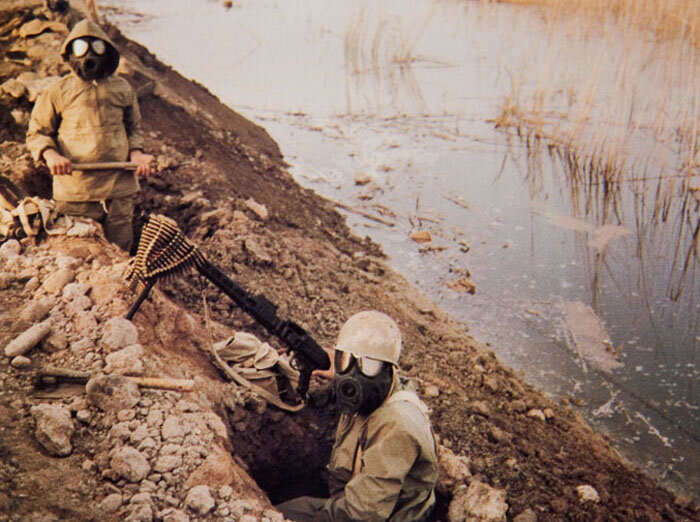
The Iraqi military used sarin during the Iran-Iraq War in the 1980s and during the 1988 massacre in the Kurdish town of Halabja. Nerve agents were also used during the Syrian civil war.
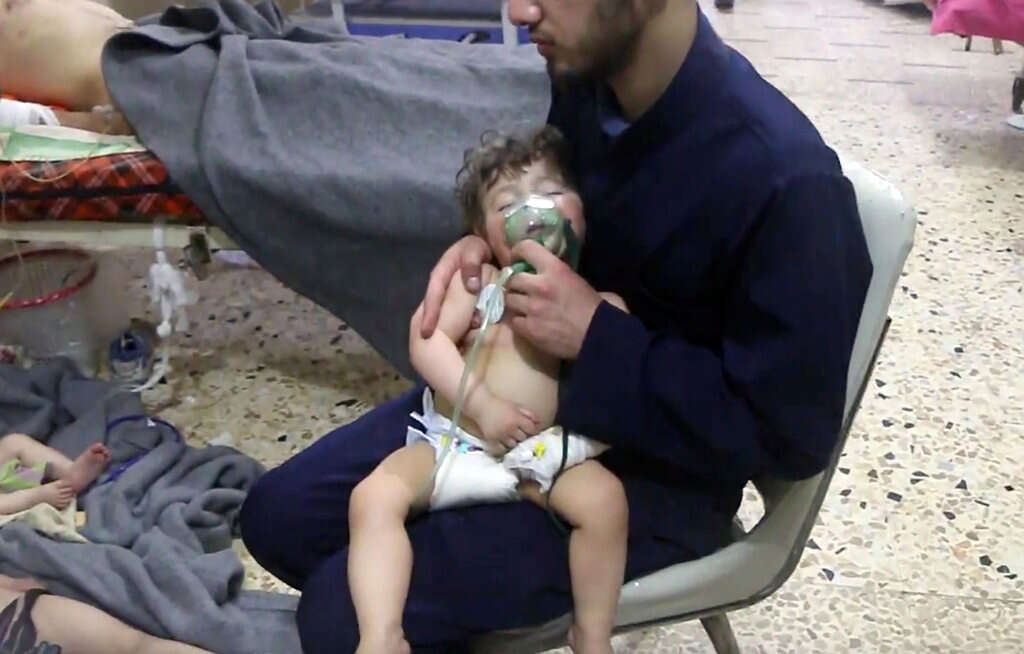
Other nerve agents include the V-series and the Novichok family. The latter has become associated with Russian intelligence operations and was implicated in the poisoning of former Russian spy Sergei Skripal in Britain in 2018 and that of Russian opposition leader Alexei Navalny in 2020.
Choking agents
Choking agents are among the most horrific chemical weapons ever used. Chlorine and phosgene damage the respiratory system, causing fluid to accumulate in the lungs and potentially leading to death by suffocation. Survivors can suffer devastating, lifelong respiratory damage.
Choking agents were used extensively during World War I, leaving many survivors with chronic illnesses and disabilities. Chemical attacks became one of the defining horrors of trench warfare, and the introduction of phosgene further increased the human toll.
Blister agents
Blister agents, also known as vesicants, include toxic chemical compounds such as mustard gas and lewisite. They damage exposed body tissue, causing severe chemical burns, extensive skin blistering, eye injuries that can result in blindness and, if inhaled, potentially fatal respiratory complications.
Unlike fast-acting nerve agents, the effects of some blister agents are often delayed, making exposure difficult to recognize immediately. Their first widespread military use occurred during World War I, when Germany deployed mustard gas in 1917.
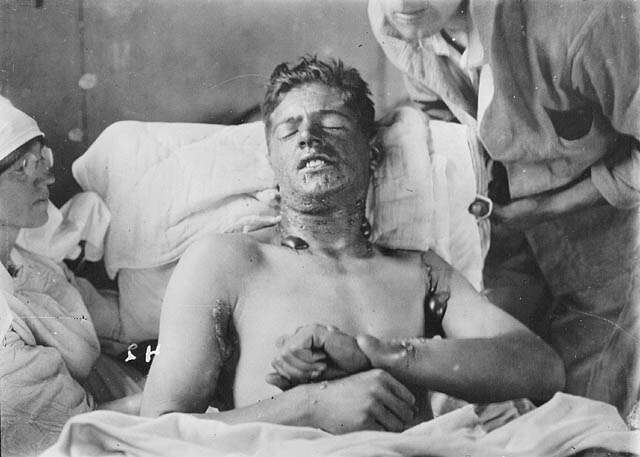
These agents were repeatedly used throughout the 20th century, including by Italy in Ethiopia in the 1930s, by Egypt during the Yemeni civil war in the 1960s and extensively during the Iran-Iraq War in the 1980s.
Saddam Hussein's forces used mustard gas against Iranian soldiers and Kurdish civilians in Halabja. Its use was also documented during the Syrian civil war in the 2010s.
Blood agents
Blood agents, most notably hydrogen cyanide and cyanogen chloride, are toxic substances that prevent the body's cells from utilizing oxygen. Exposure can cause cellular oxygen deprivation, loss of consciousness, seizures and death. Historically, their use in warfare has been relatively limited.
Hydrogen cyanide was used on the battlefield during World War I. During World War II, Nazi Germany used it under the commercial name Zyklon B to systematically murder people in the gas chambers of its extermination camps.
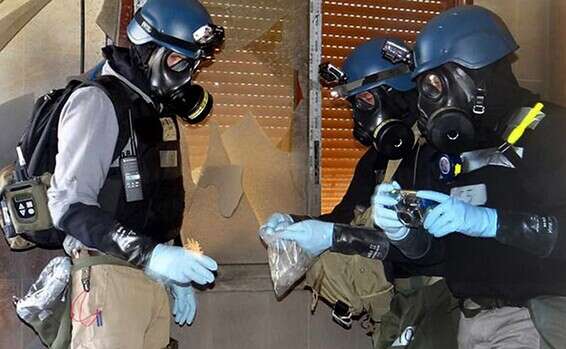
The Iraqi regime was subsequently suspected of using hydrogen cyanide during the Iran-Iraq War in the 1980s, including during the massacre of Kurdish civilians in Halabja. The production and stockpiling of such substances for warfare are prohibited under the international Chemical Weapons Convention.