A new preventive tool designed to reduce the risk of post-traumatic stress disorder (PTSD) among combat soldiers is expected to be rolled out across Israel Defense Forces infantry brigades in the coming weeks. Developed through research at Tel Aviv University, the system will be integrated into Bagira Systems' military training platforms already in use by the IDF.
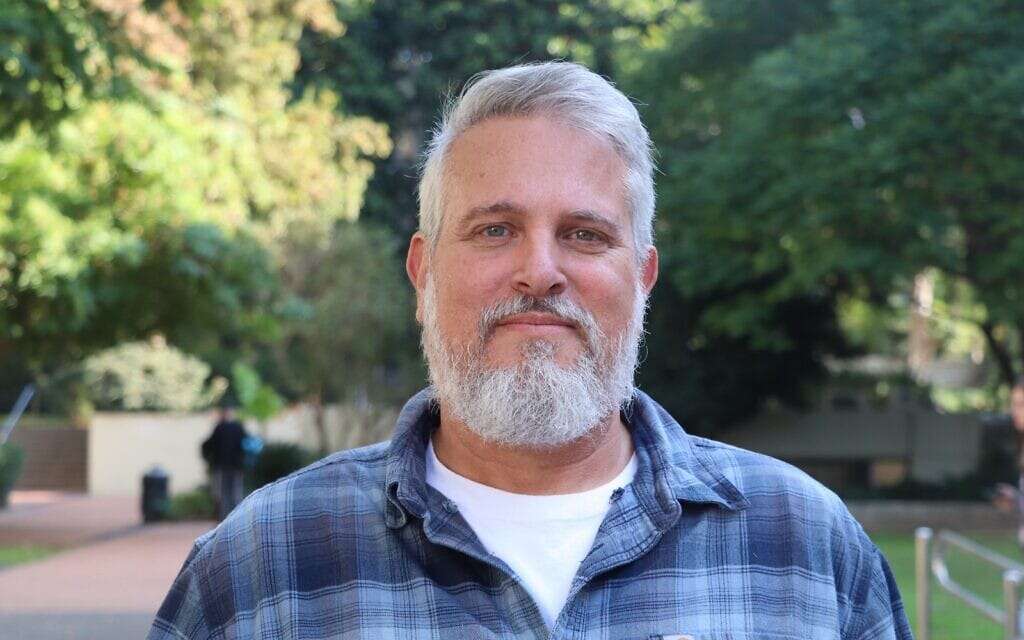
The technology was developed by Professor Yair Bar-Haim, head of the National Center for Traumatic Stress and Resilience at Tel Aviv University. It builds on years of clinical trials conducted in collaboration with the IDF and military research institutions in the US. Initial efforts to introduce the tool into the IDF began about a decade ago, but widespread implementation did not materialize until its current integration into the infantry brigades' existing training infrastructure.
Highlights
- How does it work? Rather than simulating combat, the app uses a brief attention-training exercise in which soldiers must rapidly shift their attention between threatening and neutral facial expressions.
- Training duration: The clinical protocol consists of just four 10-minute sessions completed before combat deployment.
- Research findings: Controlled studies involving hundreds of Israeli infantry soldiers showed a 67% reduction in clinical PTSD diagnoses and a reduction of up to 83% in the incidence of PTSD symptoms.
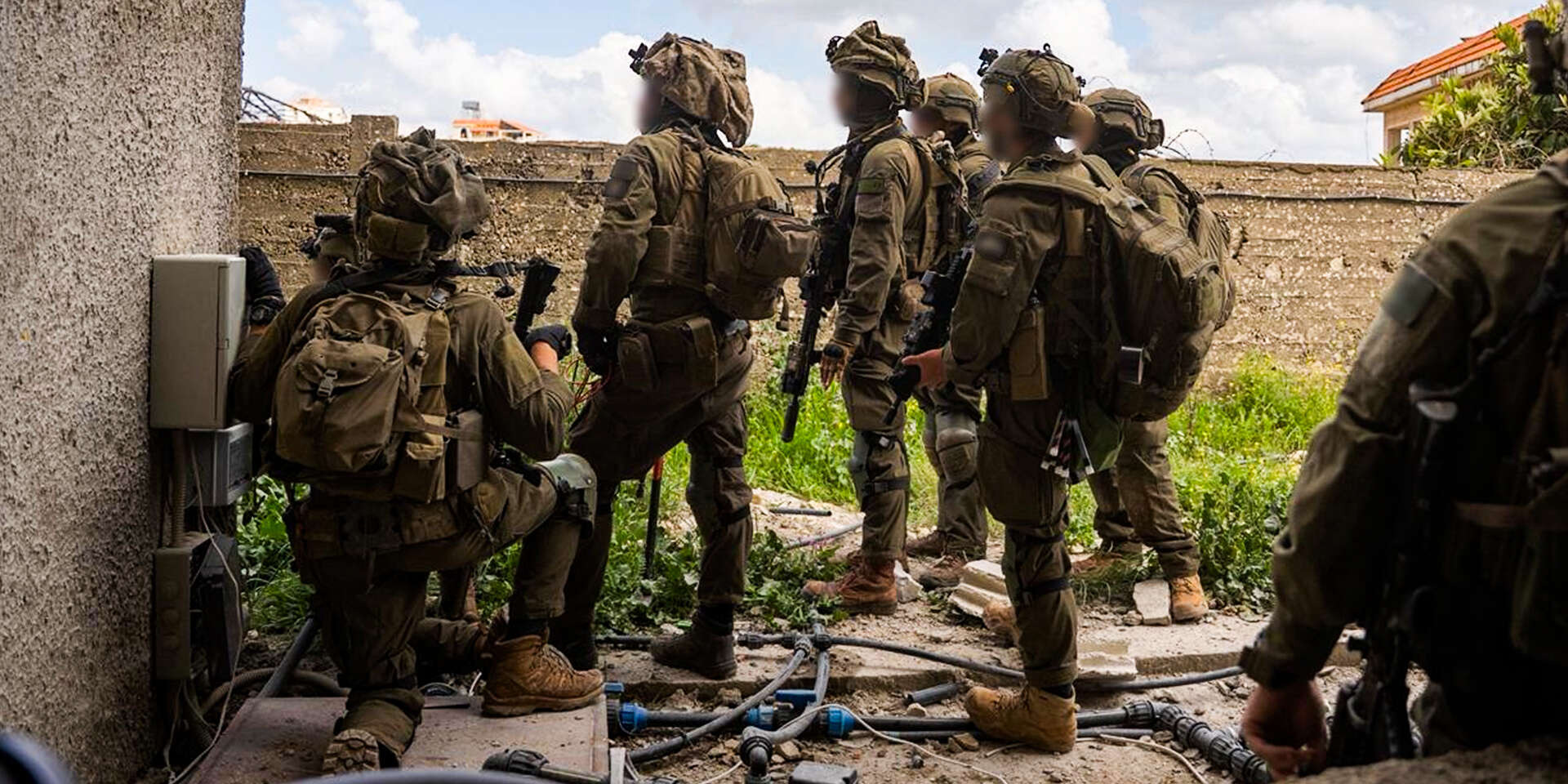
- Field deployment: The system will operate at permanent training facilities and on portable consoles in military staging areas and outposts.
40 minutes in front of a screen before combat
Unlike simulators that recreate battlefield conditions, the technology developed by Bar-Haim focuses on attention training through an app. During the exercise, soldiers are shown images of people with various facial expressions, including anger and menace, and are instructed to shift their attention between stimuli according to on-screen prompts. The goal is to train the brain to regulate its automatic response to threatening stimuli before exposure to extreme situations in combat.
The protocol tested in clinical trials consists of four 10-minute training sessions before deployment and is based on three key studies.
- The link between attention and trauma (2013): A study published in JAMA Psychiatry involving 1,085 Israeli infantry soldiers identified an association between patterns of attention to threats, combat exposure and the risk of developing PTSD.
- 67% reduction in PTSD diagnoses (2016): A randomized controlled trial published in Psychological Medicine involving 719 soldiers found that four pre-combat training sessions reduced the rate of PTSD diagnoses from 7.8% in the control group to 2.6% in the training group.
- 83% reduction in the incidence of symptoms: Another randomized controlled trial, published in the American Journal of Psychiatry and involving 501 soldiers, found that 0.9% of soldiers receiving the training exhibited symptoms indicative of PTSD, compared with 5.3% in the control group.

From military staging areas to further research
The main challenge in implementing such prevention programs is logistical: how to make the training available to thousands of soldiers as part of their regular training and shortly before operational deployment.
To address this challenge, the app will be integrated into Bagira Systems' WARTAC training systems and its third-generation portable Gorilla console, which will be showcased at the I/ITSEC simulation and training exhibition in Orlando, Florida, later this month.
The portable console is designed to enable soldiers to complete the exercises outside training bases, including in military staging areas, outposts and departure points for operational missions.
"Soldiers' operational readiness is not just about physical and tactical preparedness, but also psychological resilience," said Yaron Mizrahi, CEO of Bagira Systems. "Our collaboration with Tel Aviv University allows us to make a clinically tested tool available to thousands of soldiers simultaneously, both at training centers and in the field."
Alongside the rollout of the app within the IDF, the company is pursuing additional research collaborations at Tel Aviv University, including a study with Professor Nitzan Censor aimed at improving training effectiveness and work with Professor Yaara Yeshurun to explore tools for enhancing team coordination and performance.