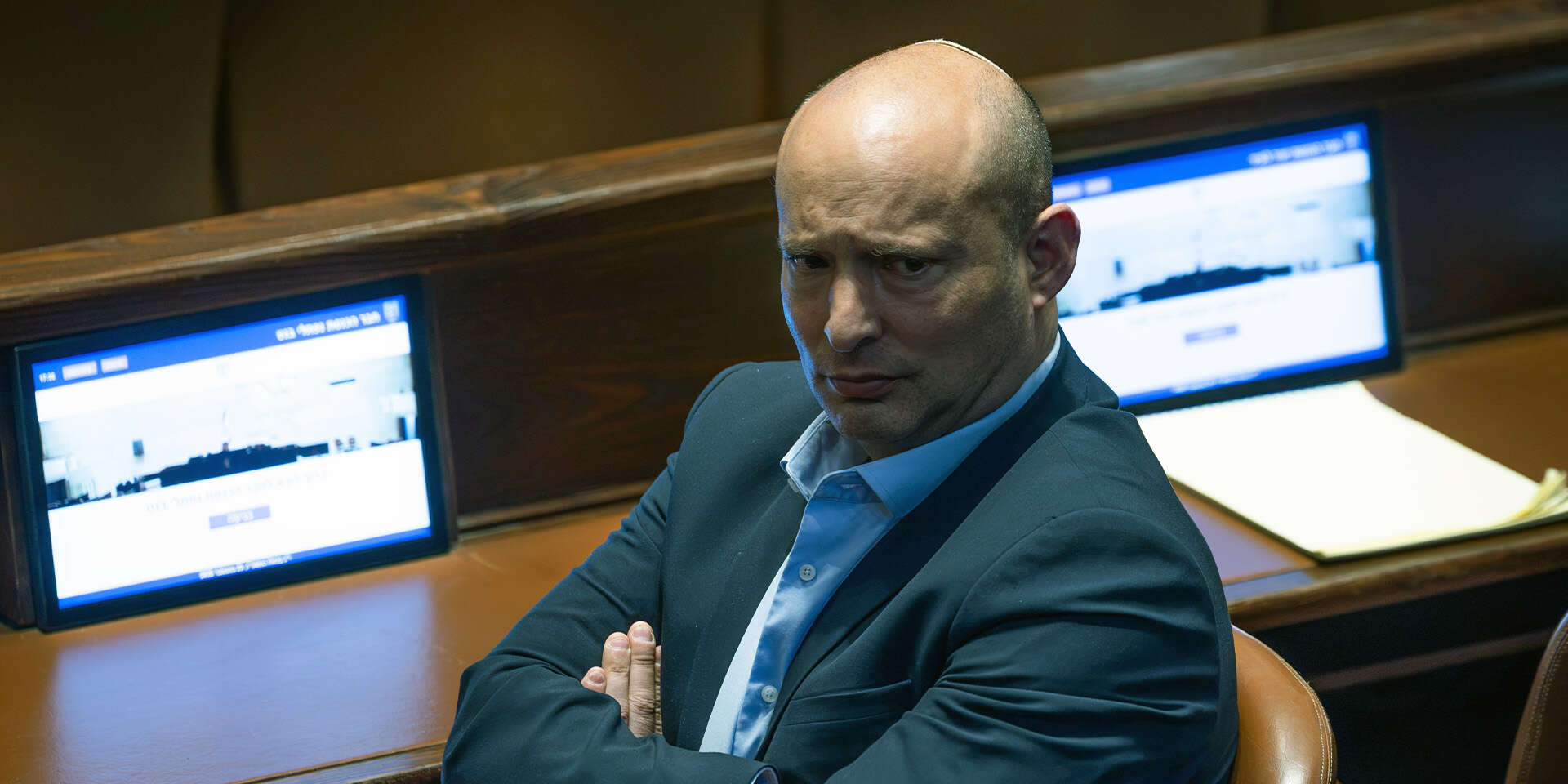
What surprised Naftali Bennett most on returning to the Knesset after four years was that even in the Horseshoe, the camera-free area behind the plenum, opposition and coalition members walk past each other without saying hello. For years politicians were accused of staging their public fights while really belonging to one gentlemen's club. It's no pose. The hatred burns and rages, and right now it is infecting 46 new carriers: the newly elected MKs.
So people in his party were surprised by how fiercely the bloc opposed even holding unity talks with Netanyahu, which it saw as the run-up to a betrayal. As I understand it, Bennett believes an Arab-backed minority government is a danger to the country. It is dangerous in itself. It is also dangerous because of the pendulum effect, which would soon swing back to a Netanyahu–Ben-Gvir government on steroids, probably just as the United States elects a president hostile to Israel.
And what about the solution Eisenkot and Lieberman are moving toward, a minority government with United Torah Judaism and backed by Ra'am? That one is harder.
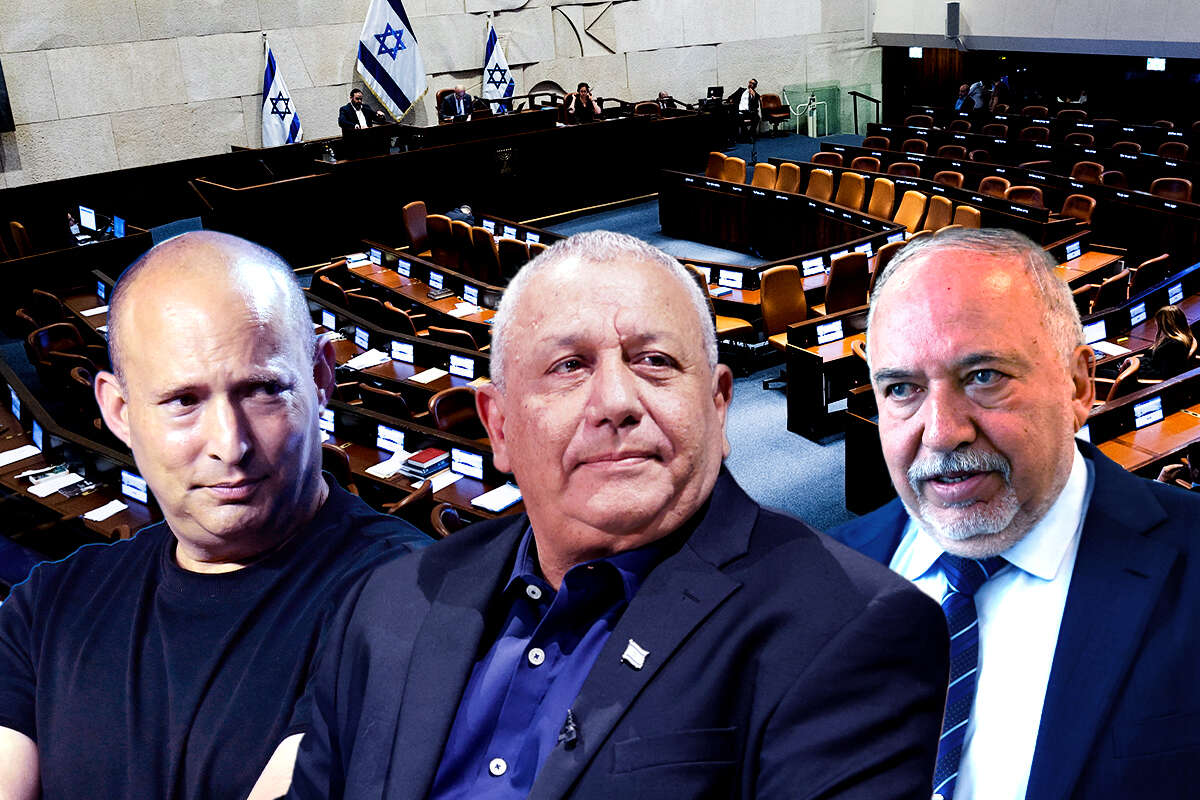
Eisenkot and Lieberman are convinced he'll come, either because he fears the base or because he worries his faction won't want to be the one that blocked such a government. They treat him like Netanyahu treats Deri: the one who comes without being paid and without being courted, and who will simply cave under the heavy pressure from the bloc.
That means there are still at least five days to push the unity talks as far as they can go. Negotiation is usually about compromise until you reach the binary question: who goes first? Eisenkot, with the Haredi-Arab alternative in his pocket, won't agree to compromise and go second. Among the bad options under consideration: switching every six months; a three-way rotation of Netanyahu, Eisenkot and Bennett; or handing the Iran file and the Trump file to Netanyahu as alternate prime minister. (This week he said of that idea to one of his people: "But in the end, who presses the button?")
And in the end it still all depends on the rabbis of United Torah Judaism. In recent weeks Likud focused on blocking a minority government, mistakenly convinced that the chance of the Haredim joining it was slim. The conceptsia was that without legal approval in advance there would be no exemption law, and without an exemption law UTJ would not join.
Rabbi Lando may be making a different calculation. Six months ago Aryeh Deri said the draft problem could not be solved, and concluded that he should stay in Netanyahu's government. The elderly rabbi may think otherwise: if we are doomed to live under a draft decree anyway, better to do it in a left-wing government, without the media and the legal system making our lives miserable. The price for the secular public will be unbearable, and it will be paid in cash, by continuing and deepening the subsidies. Eisenkot and Lieberman have picked Naftali Bennett as the finance minister who will see to that.
With you, once again
Last year, shortly after the hostage deal, I wrote here that the attempt to kill Hamas's leadership in Doha was the most successful failed assassination in history. In the same spirit, I have to admit that at this point Operation Roaring Lion/Epic Fury is the most unsuccessful successful war we have known.
There's no disputing what the "Little Satan" and the "Great Satan" did to the Persian enemy. Planes cruised freely over Iran. Agents planted bombs, marked targets and fired missiles from the ground. Many quality targets were destroyed, and a whole layer of leadership and expertise was wiped out almost in passing. On the other side, Israel's shield was breached only a handful of times, and American casualties were tiny. Militarily, Israel and the US brought the Iranians to their knees.
But as time has passed, Shiite propaganda and Western media have together painted a different picture. In it, the Iranians stand proudly against the world's strongest power, refusing to surrender and even recovering. The regime didn't fall, the people didn't rise up and the proxies didn't give in. In the US, Trump lost the midterms. In Israel, Netanyahu was weakened and finished with a draw at best. The Zionist enemy is divided at home and shunned around the world, while in Iran women without veils are being put on trial.
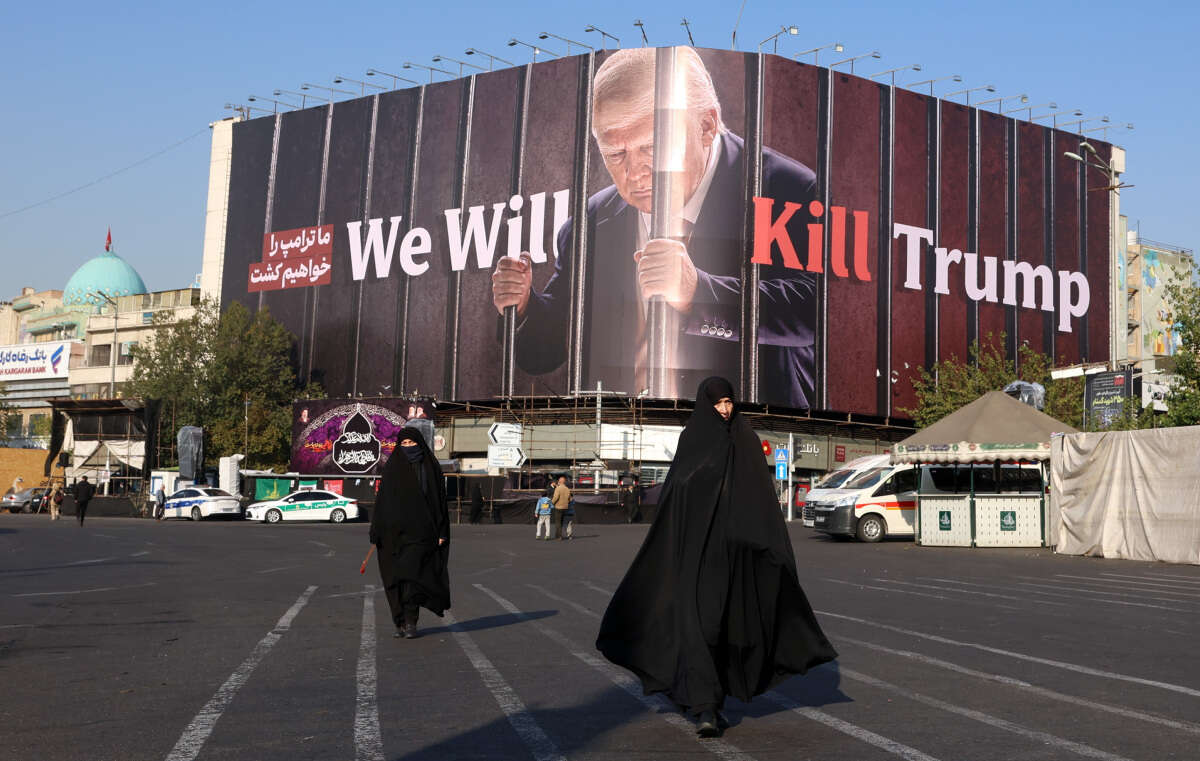
The axis of evil has noticed. Iranian leaders who six months ago were getting passports ready and thinking about political asylum now proudly announce missile ranges that reach Europe. Hamas is back to planning the next October 7. The Houthis are taking province after province and don't hesitate to bomb symbols of Saudi wealth and power. Hezbollah, whose leader until recently was posting conciliatory, meaningless videos, has started making explicit threats. The enemy has raised its head. The mood of the defeated Iranians, and of Hamas, Hezbollah and even the Houthis, shortly after the war is nothing like the smugness, arrogance and optimism that grip them now. They get stronger every day: another launcher back in service, another radar repaired.
So there is no point in a new, pointless round that ends at the same place as the last one. It involves the economics of munitions on one hand and a willingness to pay prices on the other, of which rising oil prices are the smallest. The American defense establishment fully understands how big a mistake it made last time, and what it meant to hesitate about going all the way. The question is what Trump understands.
He seems to understand, but hasn't yet come to terms. Contrary to the rumors and talk, the IDF was not about to strike alone on the orders of a caretaker government. At least four times now, the prime minister and defense minister have readied the IDF to strike Iran, H-hour included, and each time it was because of the US president. Trump giveth the order, and Trump taketh it away. The chief of staff and the entire security leadership would happily charge in at once, as long as the Americans were on board.
This week a dispute broke out between Netanyahu ("the threat is imminent"), Eisenkot ("the threat is not imminent") and Lieberman ("striking alone is illegal"). The real story isn't the emerging chemical threat. It's whether the regime survives at all. If we assume the dispute is in good faith, they are simply talking about different threats. Netanyahu is talking about the fear that without a strike, Iran will survive, and that under a new government it won't happen the way Trump warned. Eisenkot means the threat isn't imminent in the sense that nothing requires a strike in the next two weeks. Lieberman is talking about a solo strike that won't happen anyway.
Good news, bad news
Despite everything, here are three pieces of good news for Israel from the midterms, and one piece of bad news.
The first good news is that the new Democratic majority in the House greatly weakens the party's extreme, Israel-hating wing. House Majority Leader Hakeem Jeffries can afford to lose up to 30 votes on any vote and still win. That matters especially because Israel is a subject the average Democratic member of Congress would rather not fight about. Fifty-five of them won Republican districts by three percent or less. They have no interest in voting for sanctions on Israel, or in adopting the Mamdani and El-Sayed line and putting their reelection at risk.
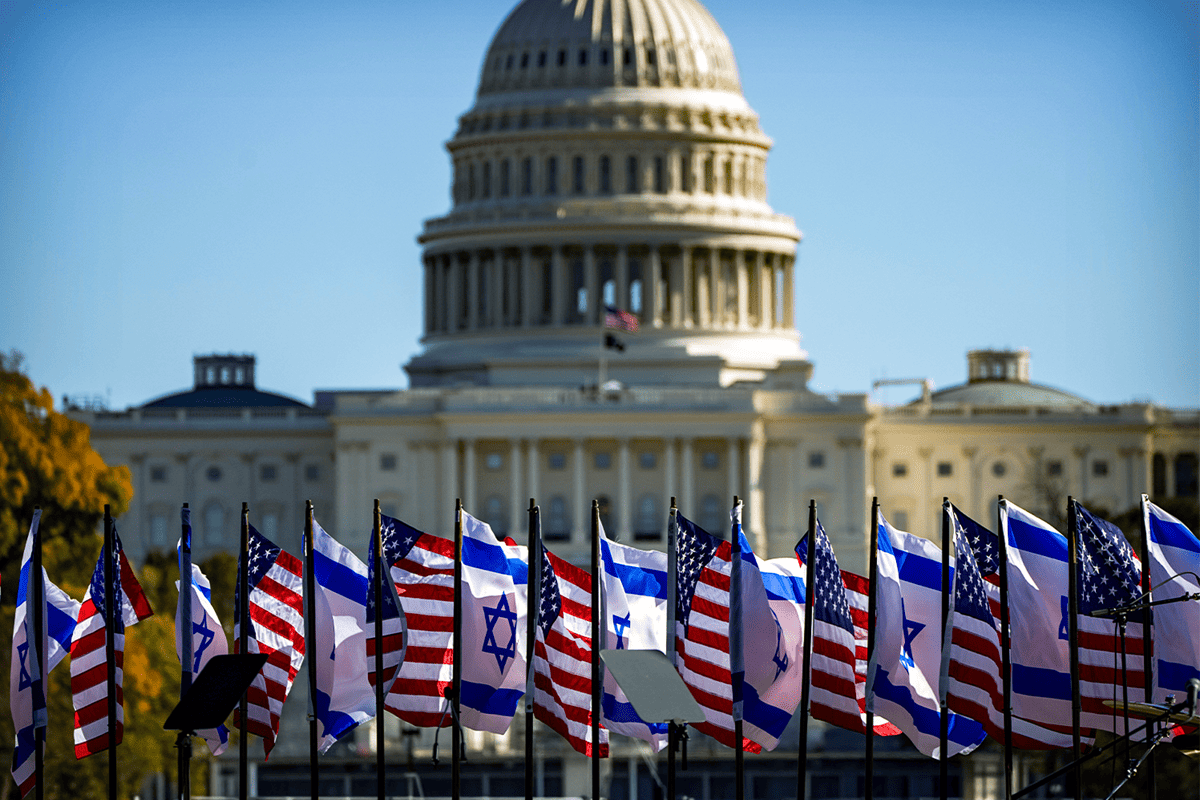
The second is that the primary calendar has changed. Instead of small, white Iowa and New Hampshire opening the race, it will now be South Carolina and Nevada. The first has a large African American population, which is relatively moderate. The second has a large Latino population, which is more traditional-religious than the party as a whole. Only once in the past half century has a nominee been chosen without winning at least one of the first two states. So the dozens (!) of Democratic presidential hopefuls will have to move toward the center, not the edges.
The third good news is that AIPAC and American Jewry have nothing left to lose. A decade ago, when the fight against Obama's Iran deal failed, they tried to work out why, and compared it with the gun lobby's success in blocking a ban on personal firearms. The conclusion was that the gun lobby doesn't mind being hated, while Jews want to be loved. The gun lobby only has to play defense, never offense. And guns give gun owners a sense of security, while America's Jews have none.
A decade has passed. Jewish leaders are realizing more and more that the old hatred of Jews is back, and it isn't going anywhere. Ending security aid means they can focus purely on defense instead of trying to sell an unpopular transfer of billions overseas. Above all, more and more Jews are arming themselves in self-defense.
And the bad news? Anyone who thinks Israel has a blank check until January 2029, when Trump leaves, doesn't understand how the presidential race works. It will start in early 2027. Every move Israel makes will force the candidates to take a position, and that position will bind them if they're elected (this isn't Israel, after all). Building in E1? Setting up outposts? Operations in Gaza? Every action has immediate consequences. The future is already here.
Who is the racist?
Since the election, one argument for relying on the Arab parties has been made that isn't political at all. Politicians, journalists and tweeters all make it: Arabs give us our flu shots, fill our prescriptions at Super-Pharm and work beside us in the public sector. Why are they good enough for all that, but not for raising a hand for a government? Isn't that racism and exclusion?
Under the banner of fighting racism, this argument keeps racism alive. It says that Arabs, simply by being Arabs, must vote for MKs who think Hamas is a charity, who call for victory for Gaza and who meet with Israel's enemies abroad. MK Tawfik Toubi stood with Israel in the War of Independence. Why Tibi and not Toubi? Is it a decree of fate that Israel's Arabs, the first to benefit from the Abraham Accords, should be represented by factions that voted unanimously against those accords because they care more about the Arabs of Ramallah than the Arabs of Umm al-Fahm?
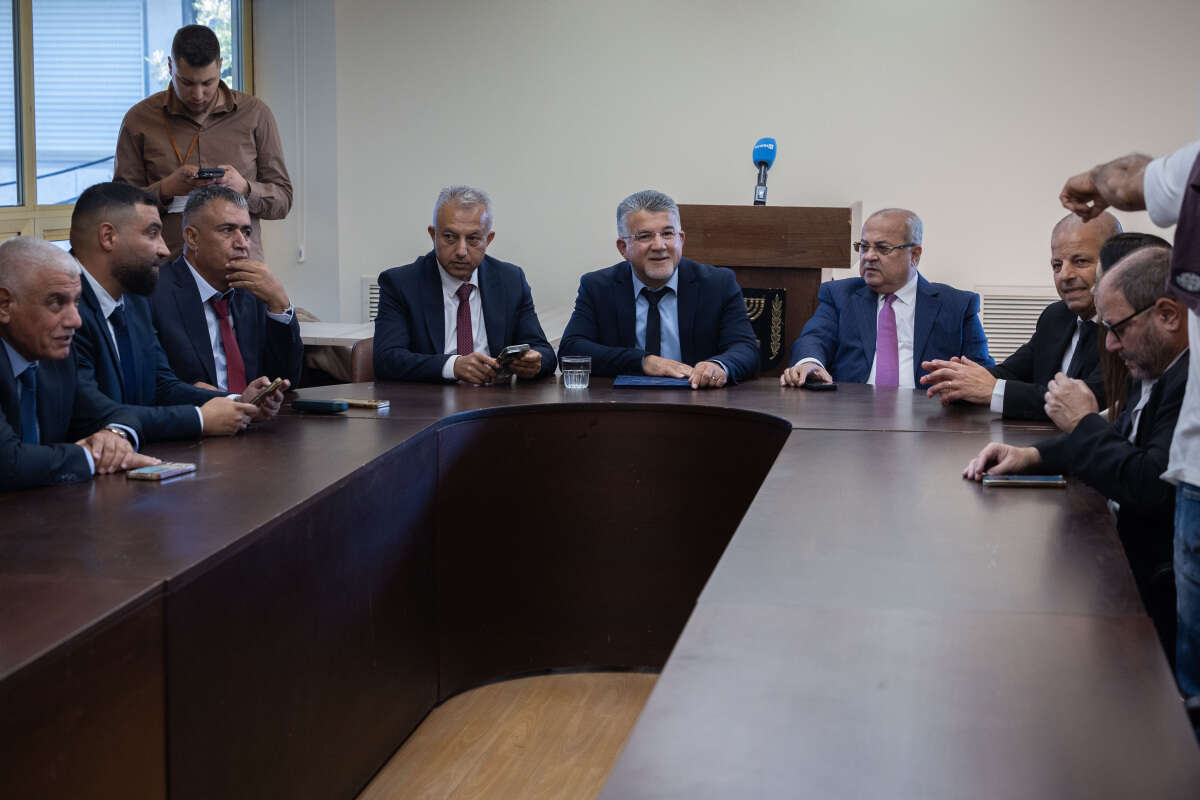
And speaking of boycotting citizens: have the left's leaders and journalists never been treated by a health-fund nurse who votes for Smotrich? Never called a Yedidim roadside-assistance volunteer who voted for Ben-Gvir? Or, heaven forbid, been seen by a Likudnik doctor? Why is refusing to work with Tibi's party an insult to his voters, while refusing to work with Bibi's party isn't?
1,167,591 citizens dropped a Likud ballot into the box. Admittedly, judging by how the media describe them, they have trouble reading and writing. Still, we can assume they managed to make out Benjamin Netanyahu's name on the slip. As former US President Barack Obama likes to say, elections have consequences. The opposition has every right to refuse to sit with Netanyahu because of his conduct and his past, without being accused of racism toward his Mizrahi voters. Parties have every right to avoid partnering with UTJ because of its part in breaking the economy and the army, without being branded Haredi-haters. And every Zionist politician has the right (and, in my view, the duty) not to rely on lists that flirt with terror groups, without people scrambling our brains with touching stories about doctors, nurses and paramedics while they lay the groundwork for boycotting half the country.