Israel Hayom is a media organization founded on the belief that the Israeli public deserves better journalism—more balanced, more accurate, and more reliable. Journalism that speaks rather than shouts. Journalism that is trustworthy, objective, and matter-of-fact. A different kind of journalism, offered free of charge.
The first print edition was published on July 30, 2007, and in 2010 Israel Hayom became the Israeli newspaper with the highest weekday readership. The newspaper’s publisher is Dr. Miriam Adelson. Its Editor-in-Chief is Omar Lachmanovitch, and its founding editor is Amos Regev.
Israel Hayom’s Hebrew and English websites, as well as its Android and iOS applications, provide around-the-clock news coverage, exclusive content, breaking news and updates, analysis and commentary, video, podcasts, and live broadcasts.
The digital platforms of Israel Hayom include news and opinion channels covering culture and entertainment, lifestyle, technology, sports, business and consumer affairs, health, military affairs, food, Judaism, tourism, and automobiles.
In 2021, a new Hebrew-language website and mobile application were launched to provide users with a fast, up-to-date, secure, and convenient experience.
The content of the newspaper’s print edition is also available online through a daily digital edition and can be received via newsletter.
“The Israel Hayom Clique,” the publication’s exclusive benefits club, offers website users discounts and special promotions on products and services.
Israel Hayom welcomes feedback, criticism, and suggestions for improvement from its readers. You can contact the organization by email at hayom@israelhayom.co.il
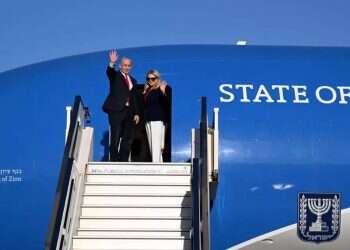
While Witkoff is in charge of the hostage deal negotiations and developments in Doha, Netanyahu is expected to focus instead on the Iranian issue. It has also emerged that peace with Syria is not on the agenda for the current visit or in the coming weeks.
The high-stakes diplomatic encounter comes as Trump seeks to capitalize on military victory against Iran's nuclear program to accelerate Middle East peace processes, creating both extraordinary opportunities and complex challenges for Israel's long-term security interests.
The political stage is no less critical than the military one, and it requires a transition from a policy of deterrence and attack to a policy of regulation and enforcement.
The two leaders' third summit in six months makes history. It will tout the crushing blow to Iran’s nuclear ambitions – and offer a glimpse into what could unfold next.
Israel is not a society that glorifies terrorism or lawlessness. It must also look inward and ask: How do we finally confront the threat posed by far-right Jewish extremism?
President Xi Jinping, who is probably now the closest leader to Musk, has already made EV mainstream for hundreds of millions. China's massive potential means Tesla can wait out Trump and any regularly setback he may create.
The Iranian regime will now need to begin a complex process of rehabilitation and reconstruction, not only of the military command apparatus but also of cooperation with Hezbollah.
Sources familiar with the negotiations said the plan includes a minimal Israeli withdrawal during the first 60 days, with the ceasefire continuing in exchange for the release of additional hostages, depending on the progress of the talks.
Trump has warned that the US will strike again if Iran attempts to rebuild, but the question remains: why wait? Why aren’t we pushing the regime to its knees while it’s still weakened and humiliated?
With the main issue now resolved, the Americans are far less anxious heading into the renewed nuclear talks with Iran. The president has significant carrots and sticks to brandish in the negotiations. And then there's the matter of the mediators.