Explainer

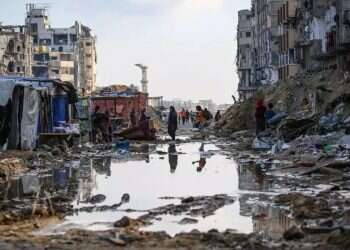
What we know about the historic US Iran strike

What we know about the historic US Iran strike

The International Atomic Energy Agency assessed that the centrifuges at the Natanz nuclear facility were already out of operation before the US bombing. According to three senior Iranian officials, the attack occurred at 2:30 a.m. local time. The most complex target was Isfahan, where uranium was being processed into weapons-grade material. It remains unclear whether Iran managed to move the nuclear fuel from the site before the strike.

How the UN is paving an 'irreversible path' to a Palestinian state

How the UN is paving an 'irreversible path' to a Palestinian state

The director of a UN-affiliated advisory organization reveals: The concluding document of the upcoming two-state conference is expected to include a commitment to an “unconditional and irreversible path” toward a Palestinian state. According to her, invitations were extended solely to entities aligned with a predetermined outcome. While a state can only be established through a UN Security Council resolution, one that will not pass due to a US veto, there are still diplomatic implications.

This is how Iran recruited dozens of Israeli spies

This is how Iran recruited dozens of Israeli spies

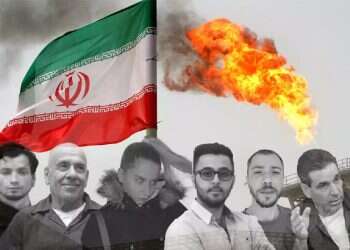
Iran’s intelligence services have abandoned traditional espionage doctrine in favor of a ruthless, aggressive model of mass recruitment. The method? Flooding social media platforms - Telegram, Facebook, Instagram - with offers of easy cash for seemingly harmless tasks. Tragically, there’s always someone willing to click “yes.”

Where are US-Arab relations headed?

Where are US-Arab relations headed?

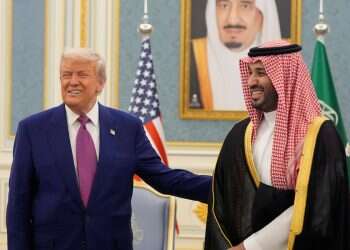
Arab states like Saudi Arabia and Egypt are no longer relying solely on the United States, and are increasingly turning to China and Russia. As Trump visits the region, some question his ability to reverse the trend. “The Saudis are ready to do business, but not at any price,” says a senior Saudi researcher.