Israel Hayom is a media organization founded on the belief that the Israeli public deserves better journalism—more balanced, more accurate, and more reliable. Journalism that speaks rather than shouts. Journalism that is trustworthy, objective, and matter-of-fact. A different kind of journalism, offered free of charge.
The first print edition was published on July 30, 2007, and in 2010 Israel Hayom became the Israeli newspaper with the highest weekday readership. The newspaper’s publisher is Dr. Miriam Adelson. Its Editor-in-Chief is Omar Lachmanovitch, and its founding editor is Amos Regev.
Israel Hayom’s Hebrew and English websites, as well as its Android and iOS applications, provide around-the-clock news coverage, exclusive content, breaking news and updates, analysis and commentary, video, podcasts, and live broadcasts.
The digital platforms of Israel Hayom include news and opinion channels covering culture and entertainment, lifestyle, technology, sports, business and consumer affairs, health, military affairs, food, Judaism, tourism, and automobiles.
In 2021, a new Hebrew-language website and mobile application were launched to provide users with a fast, up-to-date, secure, and convenient experience.
The content of the newspaper’s print edition is also available online through a daily digital edition and can be received via newsletter.
“The Israel Hayom Clique,” the publication’s exclusive benefits club, offers website users discounts and special promotions on products and services.
Israel Hayom welcomes feedback, criticism, and suggestions for improvement from its readers. You can contact the organization by email at hayom@israelhayom.co.il
The US president says he rejected Iran's response after Tehran reportedly offered a 30-day negotiating window, sanctions relief and the reopening of the Strait of Hormuz, while refusing to dismantle its nuclear facilities.
Iran is demanding a temporary ceasefire and the gradual reopening of the Strait of Hormuz, citing severe shortages of food, medicine and cash, and warning of the risk of hunger in parts of the country. The US is prepared to partially ease the naval blockade and release frozen funds, but is conditioning this on guarantees regarding the nuclear issue and the consent of the Islamic Revolutionary Guard Corps as well.
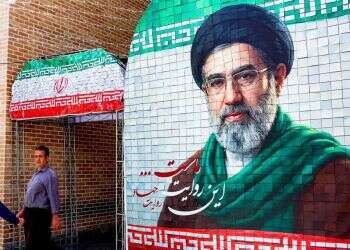
As Washington awaits an Iranian replay on ending the war and reopening the Strait of Hormuz, the new supreme leader met with the military top brass. A report submitted to him said: “Any enemy mistake will be met with force.” Meanwhile the UAE has intercepted two Iranian drones.
Satellite images on social media may have exposed the location of the Israeli base. The Wall Street Journal revealed the base's existence and its purpose: a logistics hub, pilot rescue point and launch site for operations against Iran. Senior Iraqi security official: "A certain force was deployed on the ground before the airstrike."
Seeking to shorten the route to Iran, Israel set up a covert outpost in the Iraqi desert that served as a “logistics hub” and a base for Israeli Air Force units. Iraqi forces that approached the site were attacked from the air. The US was aware of the operation but did not take part in the strikes.
Iran’s unemployment rate has passed 50%, and the regime is feeling the pressure. Pakistan’s chief of staff promised the Americans he could bring Iran to a deal on the Strait of Hormuz and the nuclear issue, but so far he has failed. The reason: Every time the Iranian political echelon is prepared to compromise, the Revolutionary Guards stop the move and wait for cracks to appear on the American side.
Saudi channel Al Hadath quoted a senior Iranian official as saying that Mojtaba Khamenei has recovered. Since his father’s elimination and his appointment as the new supreme leader of the Islamic Republic, Mojtaba has not been seen in public, no footage of him has been released, and speculation over his fate has not stopped.
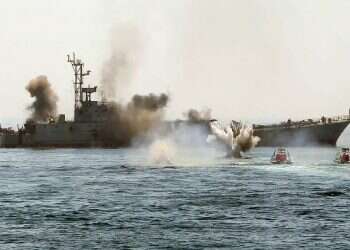
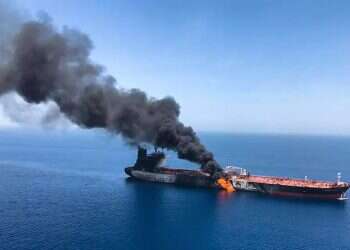
Iranian reports say explosions were heard at several sites in the Strait of Hormuz area. According to an Israeli source, the Iranians fired missiles at a US warship after it prevented a tanker from passing through the strait, and the Americans returned fire. US official confirms: We struck Bandar Abbas, but this is not a restarting of the war.
Diplomatic officials in the region believe the reason for the delay in Iran’s response is Tehran’s demand to make changes to the emerging document before conveying its official position on it. According to the same officials, Iran is also walking back previous understandings regarding a ban on enrichment and the handover of enriched uranium.
According to a classified report by the CIA, Iran could withstand three to four months of a naval blockade. The report also says Iran still has about 75% of the mobile missile launchers it had before the war and about 70% of its ballistic missile stockpile. Satellite images from recent weeks document the regime’s reconstruction efforts.