Israel Hayom is a media organization founded on the belief that the Israeli public deserves better journalism—more balanced, more accurate, and more reliable. Journalism that speaks rather than shouts. Journalism that is trustworthy, objective, and matter-of-fact. A different kind of journalism, offered free of charge.
The first print edition was published on July 30, 2007, and in 2010 Israel Hayom became the Israeli newspaper with the highest weekday readership. The newspaper’s publisher is Dr. Miriam Adelson. Its Editor-in-Chief is Omar Lachmanovitch, and its founding editor is Amos Regev.
Israel Hayom’s Hebrew and English websites, as well as its Android and iOS applications, provide around-the-clock news coverage, exclusive content, breaking news and updates, analysis and commentary, video, podcasts, and live broadcasts.
The digital platforms of Israel Hayom include news and opinion channels covering culture and entertainment, lifestyle, technology, sports, business and consumer affairs, health, military affairs, food, Judaism, tourism, and automobiles.
In 2021, a new Hebrew-language website and mobile application were launched to provide users with a fast, up-to-date, secure, and convenient experience.
The content of the newspaper’s print edition is also available online through a daily digital edition and can be received via newsletter.
“The Israel Hayom Clique,” the publication’s exclusive benefits club, offers website users discounts and special promotions on products and services.
Israel Hayom welcomes feedback, criticism, and suggestions for improvement from its readers. You can contact the organization by email at hayom@israelhayom.co.il
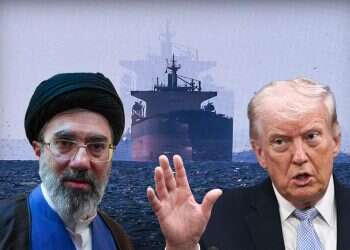
The Wall Street Journal has revealed the document Washington sent Tehran, which demands that Iran fully divest itself of highly enriched material and stop enrichment for 15 years. In return, the US would end the blockade and lift some sanctions on Iran.
Netanyahu stressed at the start of the cabinet meeting that Israel and the US were acting in “full coordination” on the Iranian issue. “The most important goal is to remove all enriched material from Iran.” Trump said pressure on Tehran was continuing and that the Iranians “want to make a deal.” The US president made clear: “We will not allow Iran to obtain a nuclear weapon. They have one week to reach a deal.”
The US will release frozen Iranian funds to finance imports of basic goods that will ease Iran's humanitarian situation. The Americans are willing to ease the naval blockade, but only if they receive guarantees that agreements reached by the Iranian political echelon will not be canceled by the Revolutionary Guards. One issue remains unresolved: the payment Iran is demanding from ships that pass through the strait.
In a late-night Truth Social post, the president froze the Hormuz operation while keeping the blockade in force, citing major progress toward a final agreement with Tehran.
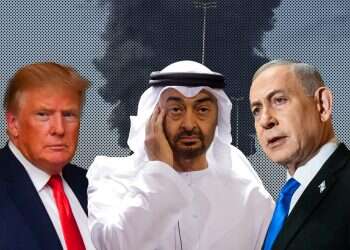
After Iran fired on the United Arab Emirates, a US official said the regime could hold out for several more weeks, but economic pressure “will force the commanders to seek an end.” Netanyahu briefed President Trump on his talks with the leaders, and according to diplomatic officials from the region, the talks also addressed tightening security cooperation.
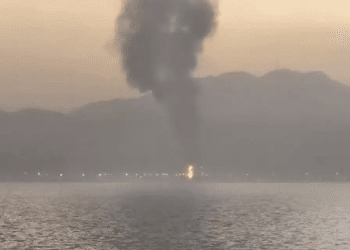
Abu Dhabi authorities activated air defenses after Iranian fire; a day earlier, an energy facility near Fujairah was heavily damaged and three foreign workers were wounded.
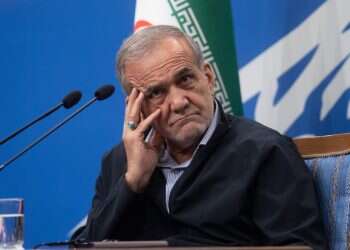
Pezeshkian, cut out of the decision to strike the UAE with missiles and drones, sought an emergency meeting with the Supreme Leader's son to halt further attacks on Gulf states.
Administration officials told The Wall Street Journal that the president had struggled for days with conflicting impulses over how to deal with Iran. People close to him said they believed Trump would carry out a major strike inside Iran.