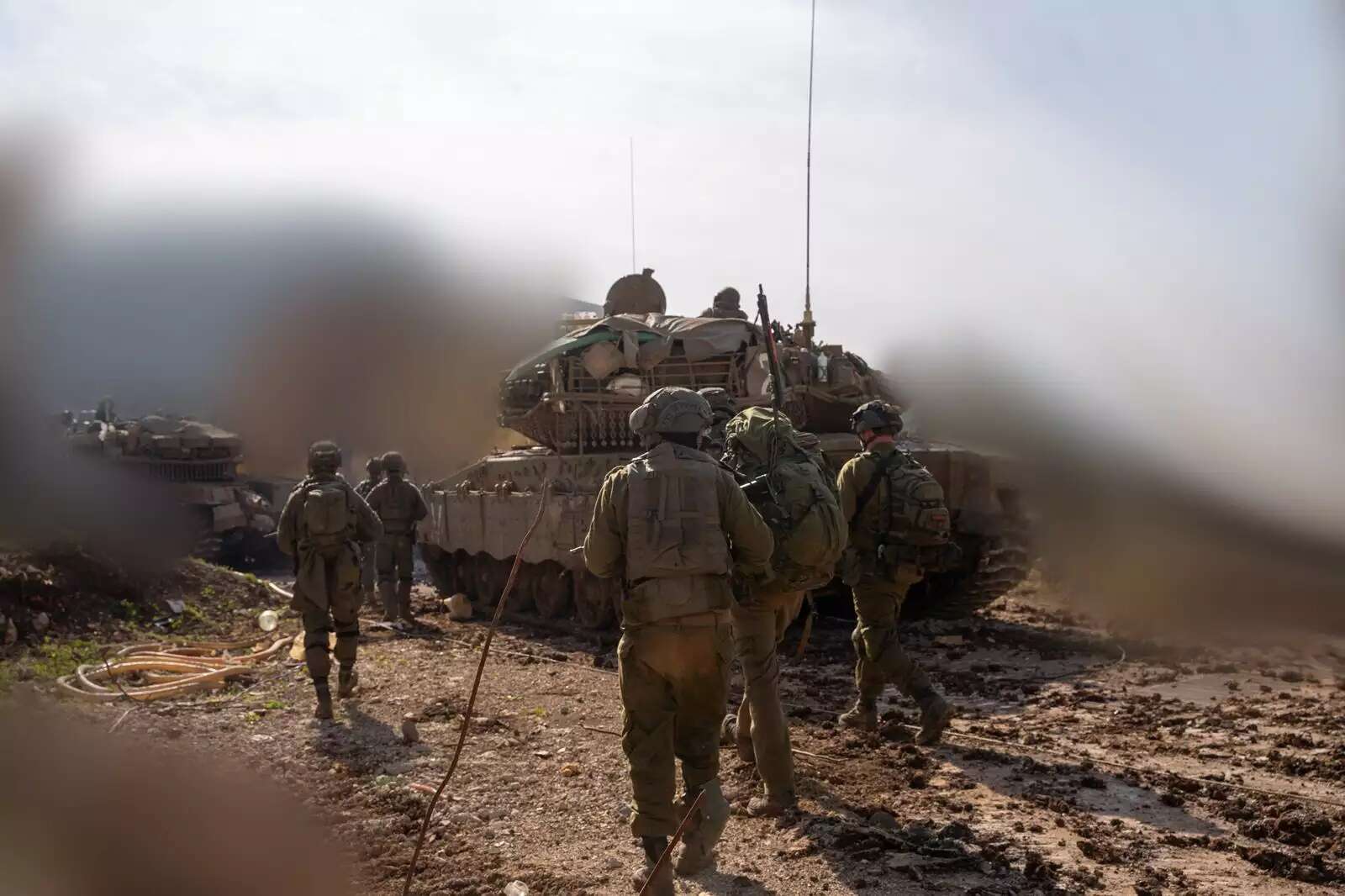
Prime Minister Benjamin Netanyahu has decided to expand the domestic production of weapons and ammunition in order to strengthen the State of Israel's munitions independence.
His decision in principle was based on the bitter experience that followed the Oct. 7 massacre, when Israel discovered the extent of its dependence on foreign supplies. But the lessons of the war in Ukraine lead to precisely the same conclusion.
The war has revolutionized the way countries think about national security. For decades, governments assumed that even during a prolonged conflict they would be able to rely on international markets, global supply chains and allies to provide ammunition and weapons when necessary. The reality on the battlefield proved far more complicated.
The war became a battle of attrition in which the ability to rapidly produce artillery shells, missiles, drones and interception systems is no less important than the technology itself. European countries and the US discovered that their manufacturing bases, which had been scaled back over decades, were incapable of keeping pace with the enormous rate at which munitions are consumed in modern warfare. Production lines designed for peacetime struggled to meet wartime needs, and new deliveries sometimes took many months to arrive.
The shortage of munitions has been a recurring theme throughout the war in recent years, severely restricting Ukraine's ability to turn the tide both defensively and offensively. Whenever the Ukrainians received advanced weapons from the West, it became clear that without ammunition in sufficient quantities, those weapons had little more than symbolic value, and hopes that they could produce a strategic turning point on the front quickly faded. Like a patient who needs mechanical ventilation, it is not enough to have an excellent and sophisticated ventilator. Someone must also ensure a regular supply of oxygen cylinders to keep it operating.
In recent weeks, for example, the Ukrainians have faced an extremely severe shortage of interceptor missiles for their Patriot air defense systems. Russia identified the shortage and stepped up its launches of ballistic missiles at strategic targets in Ukraine. Ukraine's inability to intercept them has had a damaging effect and, among other things, has thwarted its ability to launch an offensive operation in the Crimean Peninsula as planned.
Ukraine's experience shows that even when a country enjoys broad international support, this does not mean that every weapon it needs will be available at any given moment. That is all the more true when international support begins to run out, as happened in Israel's case.
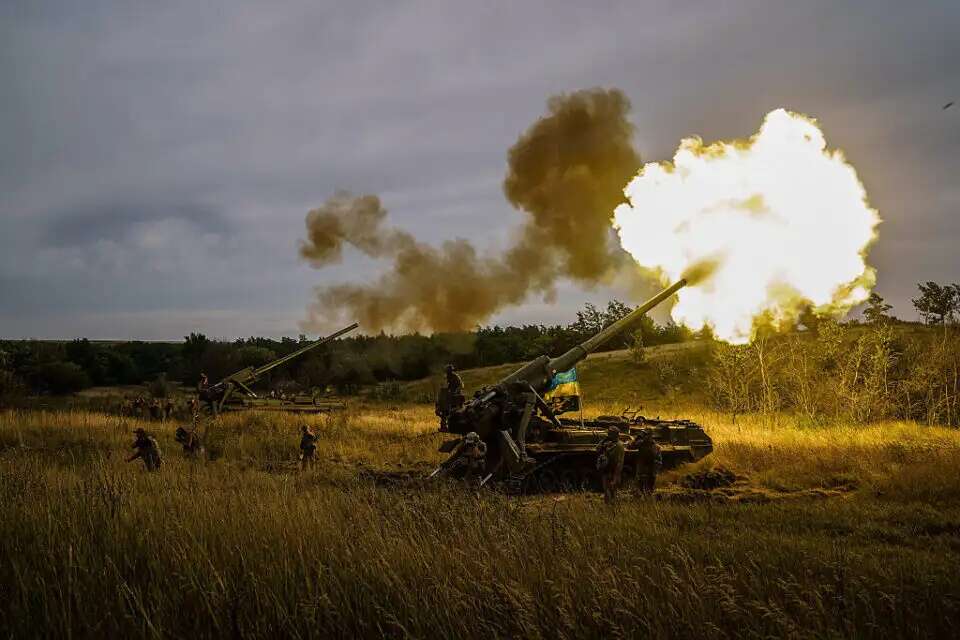
A country fighting for its survival can quite literally be subjected to pressure by munitions manufacturers. Domestic production is no substitute for strategic alliances, but it gives decision-makers greater freedom of action and reduces their dependence on decisions made in foreign capitals.
Ultimately, the central lesson of the war in Ukraine is strategic. A country seeking to preserve its freedom of action throughout a prolonged conflict needs not only a capable military and international alliances, but also an independent and sustained ability to manufacture the weapons on which its security depends.
Even close allies may face political, legal or industrial constraints that affect the pace of deliveries. The more unpredictable the world becomes, the more industrial independence becomes one of the most important components of national resilience.