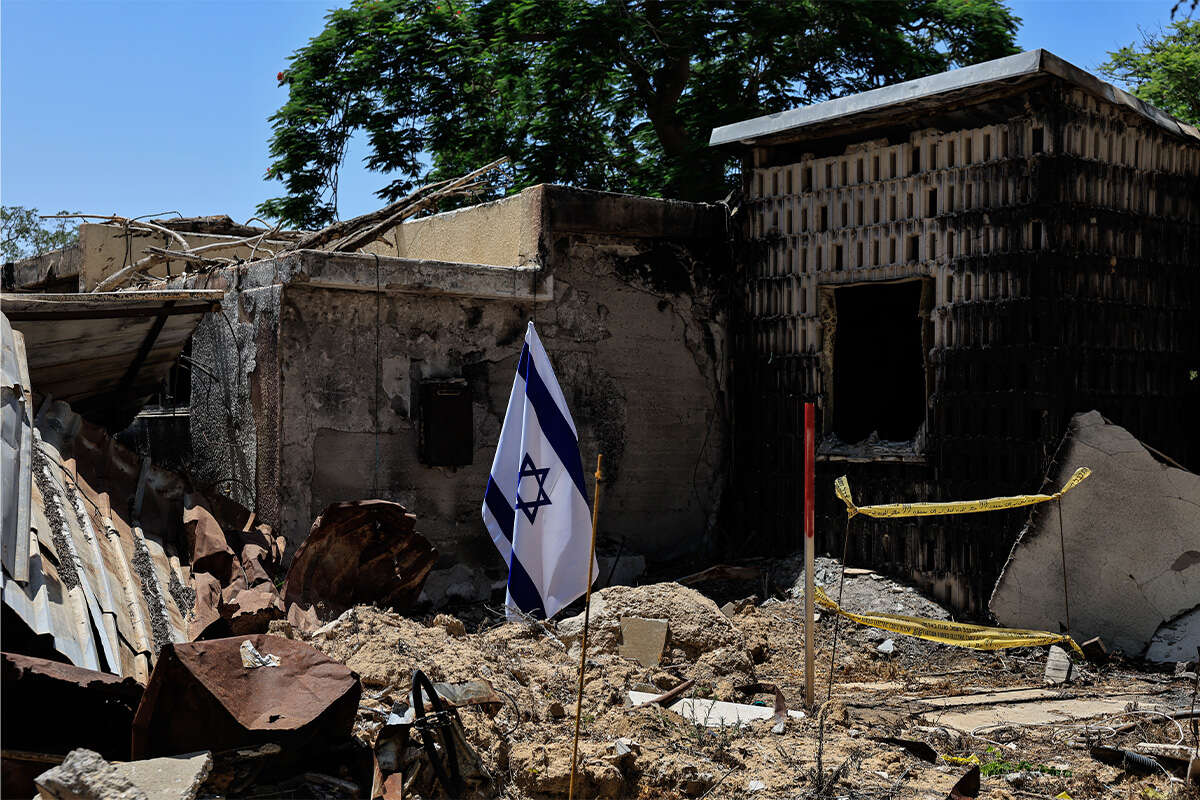
1. The opposition is focused primarily on the failure of October 7. But that failure has many fathers, dating back to the Oslo Accords and the disengagement from Gaza, and to the belief that the conflict is fundamentally territorial and that if Gaza's Arabs enjoyed economic prosperity, they would prefer not to fight.
For decades, this thinking was shared by every branch of Israel's security establishment. On October 7, 2023, the entire doctrine collapsed. The question is who has learned the lesson, who has cast aside the old assumptions and established a new security doctrine for Israel.
The opposition continues to cling to the mindset of October 6, with only minor adjustments. As far as its leaders are concerned, the solution still lies in a "diplomatic agreement" with the Palestinian Arabs. A billionaire who supports former IDF Chief of Staff Gadi Eisenkot told me: "After the elections, we'll replace the government in Jerusalem, then we'll replace the Palestinian Authority in Ramallah and establish an independent Palestinian state."
Yes, even after the greatest massacre of Jews since the Holocaust, there are still those who envision creating a "Gaza on steroids" along the central mountain ridge of Judea and Samaria, some 900 meters (2,950 feet) above Israel's main population centers.
2. Netanyahu, by contrast, declared at the outset of the war that Israel would change the face of the Middle East. He understood even then that there could be no return to the way things were, and he acted accordingly.
He led the military and diplomatic campaigns, often in the face of opposition from senior figures in the security and political establishments. Granted, the job is not yet finished, but that is the nature of historic transformations. An evil that has persisted through 150 years of conflict cannot be eradicated overnight.
Nevertheless, we now control most of the Gaza Strip, while Hamas is weaker than ever. Its commanders are being eliminated, and it is powerless to retaliate.
In Lebanon, there is lively public discussion of the desire for peace with Israel, accompanied by fierce criticism of Hezbollah. Israel controls southern Lebanon, which has been emptied of its Shiite population. We hold the strategic summit of Mount Hermon, having destroyed the Syrian military's capabilities, and we are protecting our Druze allies.
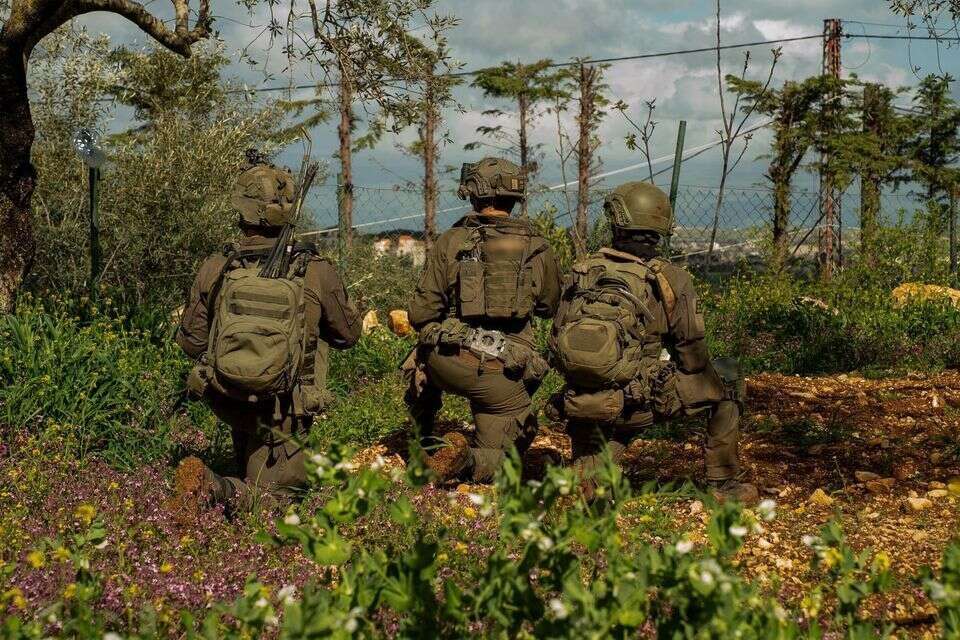
Iran has been severely weakened. Most of its nuclear facilities and missile production sites have been destroyed, along with much of its senior security leadership. The regime is running on fumes.
Most importantly, Israel has fundamentally changed its security doctrine. Under Netanyahu, Israel acts against its enemies' intentions rather than waiting for them to carry out terrorist attacks before responding.
3. Today, after three years of war, Israel's economy is among the strongest in the world, with hundreds of billions of dollars in foreign currency reserves.
Israel's economic growth is extraordinary. The forecast for gross domestic product growth in 2026 places Israel first (!) among the member countries of the Organization for Economic Cooperation and Development (OECD), despite the hundreds of thousands of days of reserve military service performed during the war.
4. US President Donald Trump has announced his support for Prime Minister Benjamin Netanyahu in the upcoming elections, explaining that he needs Netanyahu to finish the job in Iran.
Do you grasp the significance of that? This is unprecedented cooperation between the leader of the most powerful nation in history and the leader of the Jewish state, united in the fight against the global evil embodied by Tehran's murderous regime.
With two years remaining in Trump's presidency, we have an opportunity to secure Israel's safety for generations to come through the collapse of the Iranian regime. We must not let this historic moment slip away.
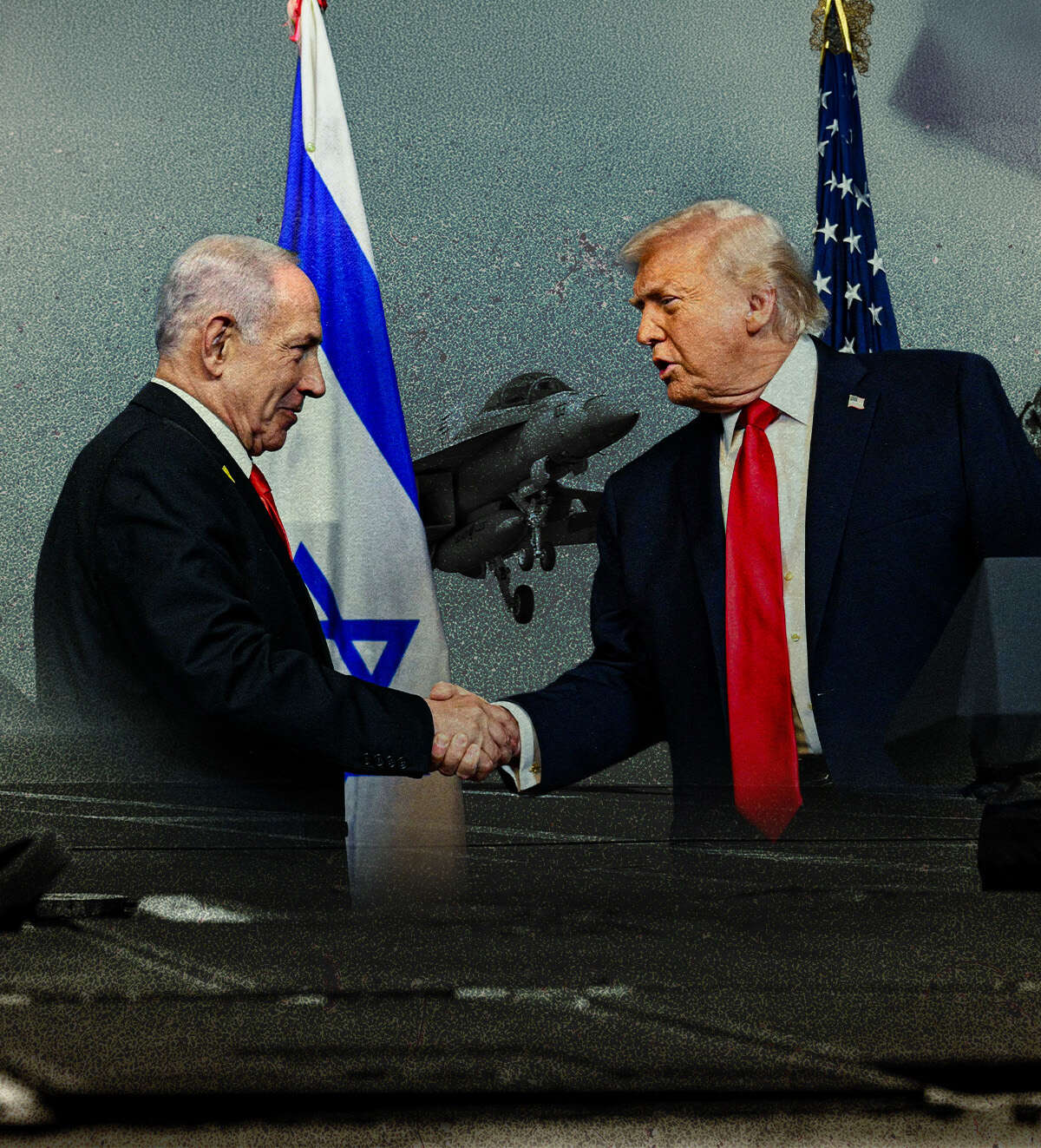
The opposition's leaders have neither the same depth of understanding nor such a close personal friendship with the US president. And in relations between countries, personal ties between leaders can be decisive. Nor would the opposition's leaders continue the fight, whether in Gaza, Lebanon or, certainly, Iran. After all, they were calling for the war to end in its early stages, before our forces entered Rafah and seized the Philadelphi Corridor, the major smuggling route along the Gaza-Egypt border.
5. One final point: October 7 laid bare the military's shortcomings, or more precisely, those of its senior commanders.
Military officers, by their very nature, are neither statesmen nor intellectuals. They spend most of their lives dealing with security, not philosophy or Torah scholarship, not education or history, not economics, and not the hopes of the Jewish people or Israel's redemption.
The time has come to establish a clear separation between the military establishment and the political leadership. We have had more than enough generals who imagined themselves capable of leading the political system, only to step into shoes several sizes too large for them and drag us toward disaster.
Our leaders should emerge from civilian life. Someone who has spent a lifetime carrying a rifle does not necessarily know how to wield a pen, nor has he necessarily learned the lessons of history. The choice is not whether to support the "October 7 government," as the opposition calls it. It is between the government of October 8 and those who remain trapped in October 6, on the eve of that bitter and fateful day.